




Biggest Challenges Facing Vocational Fleet Managers
To get the pulse of the vocational truck and van market, I reached out to a wide cross-section of fleet managers around the country to find out what’s on their minds. Here’s a snapshot of what they told me.

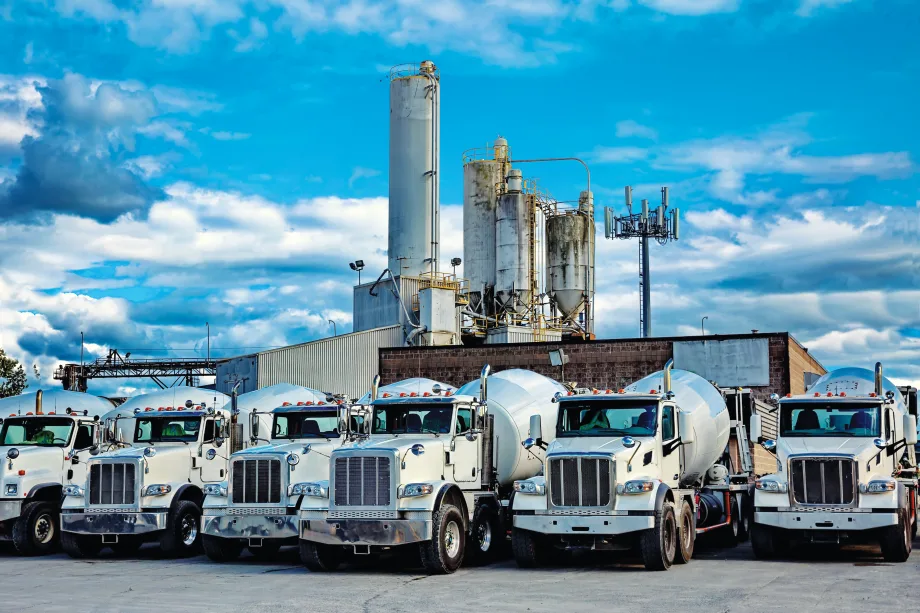
photo: ©istockphoto.com/Alex_533
To get the pulse of the vocational truck and van market, I reached out to a wide cross-section of fleet managers around the country to find out what's on their minds. Here's a snapshot of what they told me.
Rising Fixed Costs: Vehicle acquisition costs are steadily increasing and some fleet managers report a lack of capital for replacement units, prompting companies to extend the cycling of trucks for longer periods. However, as study after study shows, extended replacement cycling has the unintended consequence of greater long-term expenses, reduced resale values, and higher operating costs.
Truck Availability: Another big frustration fleet managers cite is truck availability. Trucks are already difficult to find and production dates keep getting pushed farther and farther out, creating unpredictability in lead times.
Order-to-Delivery (OTD) Times: Strong retail demand for light-duty trucks has reduced production allocation for fleets, which is lengthening lead times. Vocational fleets are vulnerable to OTD delays because most new-vehicle orders are concentrated among a handful of models with limited secondary choices.
Upfitting Backlog: With today's high volume of upfits driven by the strong economic activity in most business sectors, fleet managers cite extended OTD times, requiring them to be more flexible in their scheduling. Many upfitters are operating at capacity, meaning fleet managers need to be extra attentive to upfit specifications because any engineering changes will further delay OTD. Contributing to the backlogs is the tight labor market for skilled workers, which has reduced upfitter throughput of completed upfits and an increase in missed ship-thrus.
Operating Costs are Increasing: This is being driven by higher fuel prices. Also, upward pressure on maintenance labor rates and higher commodity prices, in particular the cost of oil, are impacting the cost of replacement tires and retreads.
More Fleet Transaction Fees: One cost factor challenging fleets is the increase in fleet transaction fees. Many fleet management companies are using third-party vendors to manage ancillary programs, such as tolls, registrations, and MVRs, whose additional transaction fees get passed on to fleet customers.
Initiatives to Reduce Fuel Spend: Gasoline and diesel fuel prices have been gradually, but steadily, increasing over the past 12 months and have been the No. 1 factor contributing to the increase in total fleet operating costs in calendar-year 2018. Fuel spend reduction initiatives are being implemented, such as "rightsizing" vehicles and making drivers more conscious of their fuel consumption. Another ongoing challenge has been the uptick in fuel card fraud.
Management Pressure for Cost Containment: A key challenge is finding new ways to drive out cost, especially in well-managed fleets where the low-hanging cost savings have already been removed. Management demands have become more strident in the wake of rising fuel prices. The challenge is balancing expense reduction initiatives without negatively impacting employee morale.
Strong Economy Fueling Corporate Business Growth: More and more companies are seeing growth in their business sectors. The fleet segment where this is a recurrent refrain is the energy sector, which is experiencing increased business activity. After a long period of depressed fleet purchases due to low crude oil prices, the energy sector continues to ramp up its new-vehicle orders. Another key segment of the economy that is a large purchaser of vocational vehicles is the new-construction market. All industry indicators, such as the issuance of building permits and starts for new-home and commercial construction are increasing, which bode well for the fleet sales of pickups and full-size vans, the primary vehicles acquired by construction companies. One consequence of this growth is the difficulty of finding additional or replacement drivers. Many fleets experience annual turnover of 80% or greater. Today's tight job market is making it difficult for vocational fleets to find drivers.
Initiatives to Reduce Preventable Accidents: Driver distraction and fatigue continue to be major concerns for vocational truck fleets. Driver distraction is the key reason behind the uptick in preventable accidents.
Increase in Repair Costs: Vehicle complexity is increasing the cost to repair accident-damaged units. When a vehicle sustains damage in an accident, the additional electronics and components in the vehicle increase repairs costs dramatically.
Asset Utilization: More fleets are conducting studies to identify vehicles with low utilization for removal from the fleet. Besides not attaining their full revenue potential, under-utilized units consume money with ongoing registration fees and PM expenses.
Productivity vs. Cost Savings: Fleet managers struggle to reduce costs without impacing driver morale, especially when there is driver pushback against cost-saving measures that negatively impact job productivity.
These are just a fraction of the challenges facing today's truck fleets. But as they say, what doesn't kill you makes you stronger.
Let me know what you think.
More Blog Posts

Fleets Want Trust Restored with Suppliers
During this period of ongoing supply constraints, the trust that fleet managers had with OEMs, upfitters, and dealers has been strained. Fleet managers say they have had too many experiences over the past three years coping with erroneous information, adjusting to multiple price increases, and feeling betrayed by inadequate transparency from suppliers.
Read More →
Scheduled Replacement Cycles Are Becoming a Distant Memory
The ongoing difficulty in sourcing replacement vehicles is forcing companies to extend the service lives of vehicles that are unable to be replaced, which, inevitably, increases unscheduled maintenance expenses.
Read More →
Fleet Simplification is the Antidote to Asset Variability
Fleet simplification identifies asset functions to uncover commonality among the equipment and assets. Simplification increases operational efficiency as end-users become accustomed to the controls, displays, and operation of less diverse units.
Read More →
The Dangers of Static Fleet Policies
A fleet policy is a living document, flexible enough to adapt to evolving business priorities, developing industry trends, and changing industry best practices and standards.
Read More →
Short-Term vs. Long-Term Cost Reductions
Corporate procurement staff are often driven by short-term, immediate cost reductions. However, a longer perspective to soft cost savings is critical because fixating on short-term results will hurt a company in the long run.
Read More →
Uptick in Unscheduled Maintenance Increasing Vehicle Downtime
Fleet data analysis can identify recurring downtime issues. It’s important to determine the root causes of downtime so procedures can be developed to minimize such problems.
Read More →
Eliminate Needless Curb Weight to Maximize ICE & EV Efficiencies
Vehicle weight relates directly to fuel economy. In today’s era of electrification, there is also a direct correlation between vehicle weight and battery range.
Read More →
Tech Dependence Risks Dumbing Down Fleet Manager Expertise
The line between creative thinking and problem solving and doing what the data indicates is thin. To lead in fleet management, you need to balance understanding the fundamentals and embracing what smart technology offers.
Read More →
Leverage the Synergy of Safe Driving to Achieve Sustainability and Cost Goals
Safe driving, emission reductions, and cost containment can all be achieved at the same time.
Read More →
The Playbook for Fleet Manager Success
There are many paths to success — most of them involve being flexible, open-minded, and willing to learn.
Read More →