





Related Photos: BMW's 2016 X5 xDrive40e
2016 BMW X5 xDrive40e Plug-in Hybrid
Many companies have implemented fleet sustainability programs to achieve self-imposed reductions in CO2 and GHG emissions. However, the one segment that is sometimes the least compliant with corporate sustainability goals is the executive fleet. It is important for management to lead by example when initiating a fleet sustainability program to generate corporate-wide acceptance. The 2016 BMW X5 xDrive40e plug-in hybrid provides management with the ability to do so.
August 8, 2016
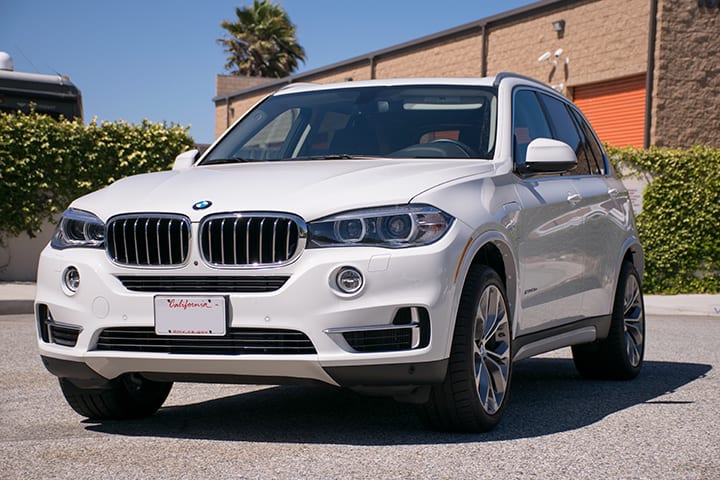
Photo by Vince Taroc.
3 min to read
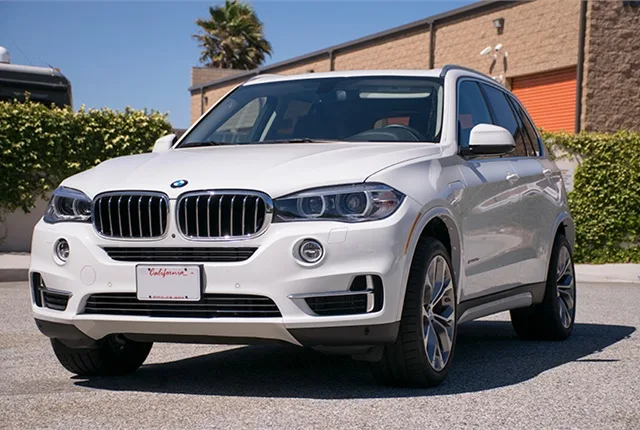
Photo by Vince Taroc.
Many companies have implemented corporate sustainability programs to achieve self-imposed reductions in CO2 and GHG emissions. Typically, these companies employ a multipronged approach, with fleet being an important component of this sustainability strategy.
However, the one segment that is sometimes the least compliant with corporate sustainability goals is the executive fleet, which conveys the subliminal message of “do as I say, not as I do.” It is important for management to lead by example when initiating a fleet sustainability program to generate corporate-wide acceptance. The 2016 BMW X5 xDrive40e plug-in hybrid provides management with the ability to do so.
Recently, AF had an opportunity to test drive the X5 xDrive40e, which is BMW’s first plug-in hybrid sports activity vehicle (SAV). One impressive feature is that the EPA rates it at 56 MPGe, while being powered by a robust powertrain. The X5 xDrive40e demonstrates that high fuel efficiency doesn’t need to equate to anemic performance.
The X5 xDrive40e combines the 2.0L TwinPower Turbo four-cylinder engine with an electric motor, powered by a lithium-ion battery, which are integrated into its 8-speed Steptronic automatic transmission. The electric motor provides output of 111 hp, while its maximum torque of 184 lb.-ft. is available from the word “go” in typical electric drive fashion. Working in tandem, the gasoline engine and electric motor generate 308 hp and produce 332 lb.-ft. of torque, enough to accelerate the X5 xDrive40e from 0-60 mph in just 6.5 seconds.
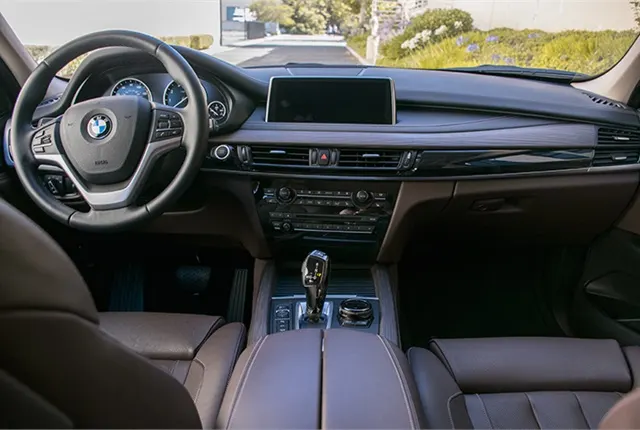
Photo by Vince Taroc.
The BMW X5 xDrive40e can travel approximately 14 miles on pure electric power, ideally suited to short commutes and nearby appointments. The lithium-ion high-voltage battery pack, which also supplies power to the battery for the 12V electrical system via a voltage transformer, is housed underneath the luggage compartment floor, where it is well protected in the event of a crash.
Another takeaway from our test drive was the sure-footedness of the X5 plug-in hybrid due to BMW’s xDrive, the intelligent all-wheel drive system, which also operates when the vehicle is in the all-electric mode. The xDrive system ensures optimal traction in all weather and road surface conditions, together with optimized handling stability and increased agility when powering through corners.
An electronically controlled multi-plate clutch provides the basis for fully variable distribution of the drive torque between the front and rear wheels. xDrive is linked up to the DSC (Dynamic Stability Control), making it capable of acting in advance to counter vehicle understeer or oversteer and to direct drive power in such a way as to optimize the handling dynamics.
For those execs, who want to control gear shifts, the BMW X5 xDrive40e can also be optionally equipped with shift paddles on the steering wheel, enabling the driver to swiftly make manual gear selections.
In summary, the 2016 BMW X5 xDrive40e can make a major contribution in helping to green an executive fleet. It will allow management to take a leadership role in corporate fleet sustainability to lead by example, without sacrificing luxury or responsive performance.
Subscribe to Our Newsletter
More Blog Posts

Fleet Review: 2026 Outback Is More SUV, Still an Outback
The redesigned Outback trades its station-wagon profile for a roomier, more conventional SUV shape while retaining the comfort and safety technology that give it fleet appeal.
Read More →
Why Should Fleets Choose the 2026 Mercedes-Benz GLC 300 SUV?
The GLC 300 offers corporate fleets attainable luxury, comfort, and practicality that transitions seamlessly to family duty.
Read More →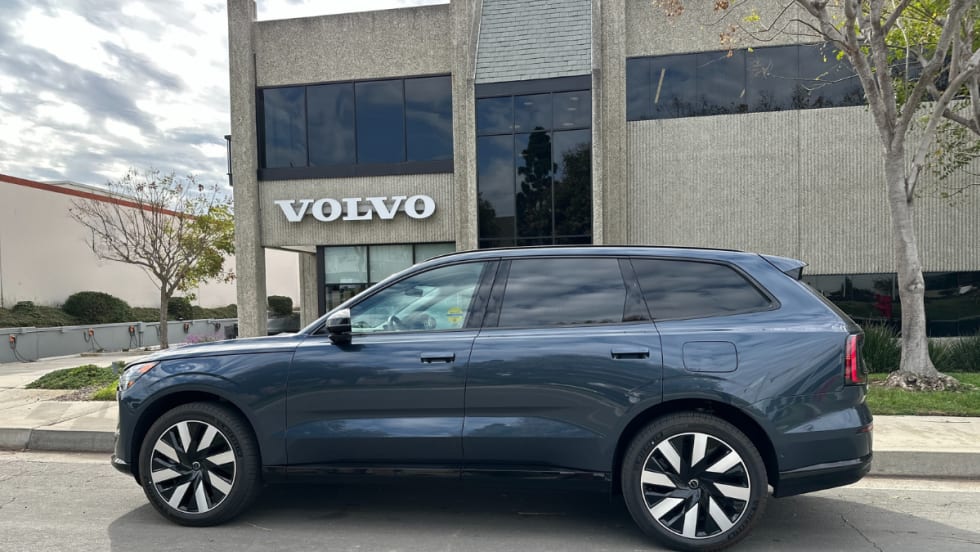
Fleet Review: Volvo EX90 & the Software-Defined Vehicle
Volvo’s new three-row electric SUV is designed for the corporate (and family) class.
Read More →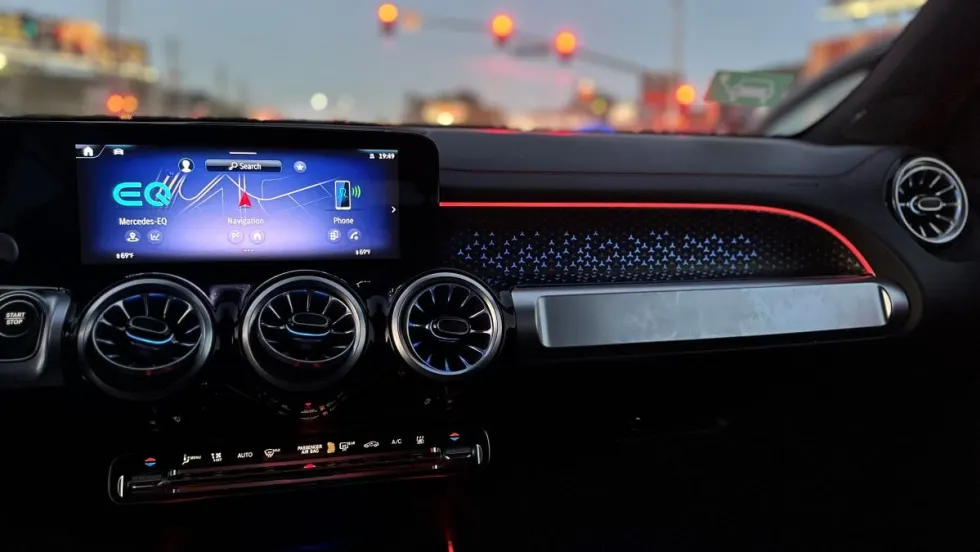
Fleet Review: Mercedes-Benz EQB 250+
With a reasonable entry point and the refinement of a Mercedes, The EQB 250+ defines “practical luxury” for fleets.
Read More →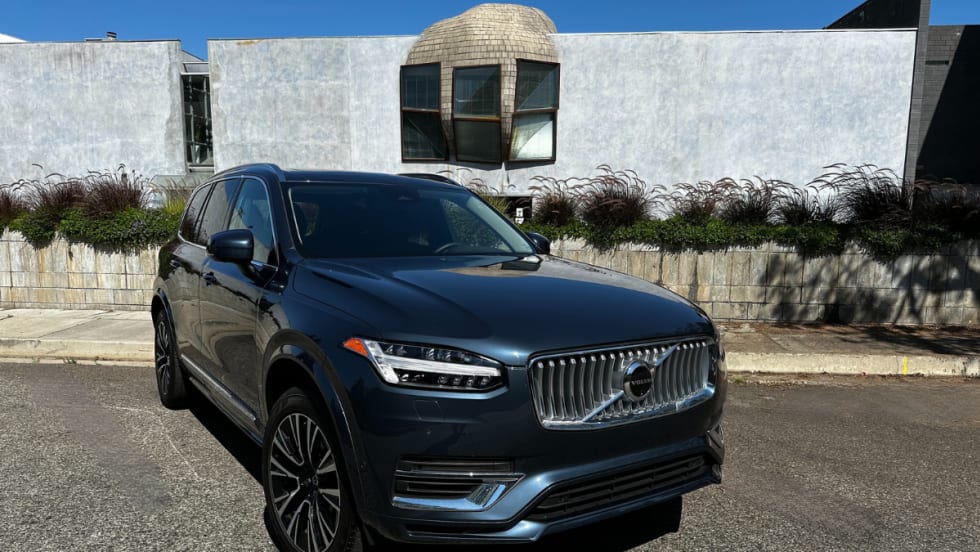
Fleet Review: Volvo XC60 & XC90 PHEVs
Volvo’s XC60 and XC90 plug-in hybrid models are stylish, safe, sustainable — and surprisingly fast.
Read More →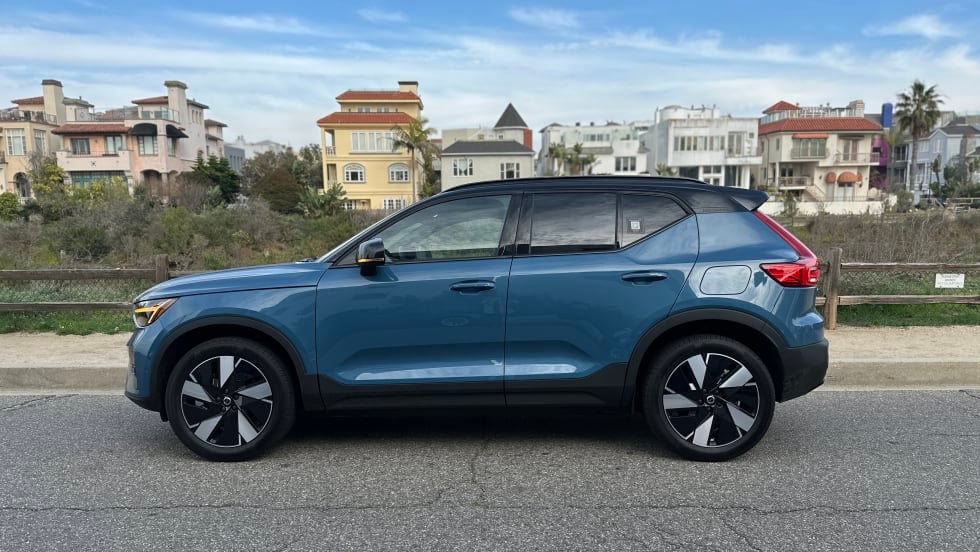
Fleet Review: Volvo XC40 Recharge
The Volvo XC40 Recharge offers fleets the familiar premium Volvo experience, electrified.
Read More →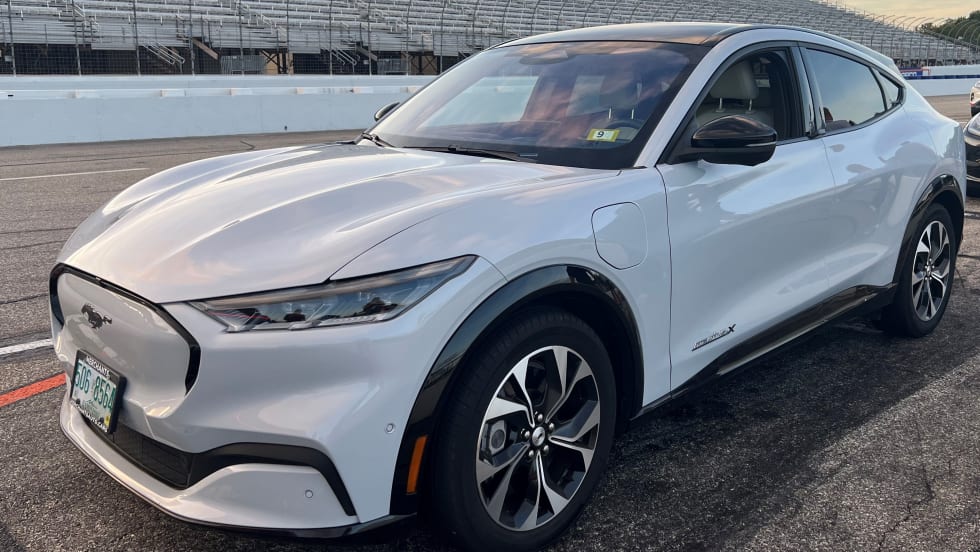
The 2023 Ford Mustang Mach-E Offers a Smooth Ride for New EV Drivers
A look at the bells and whistles on the car, plus how it drives, from the perspective of someone who’s never driven an EV.
Read More →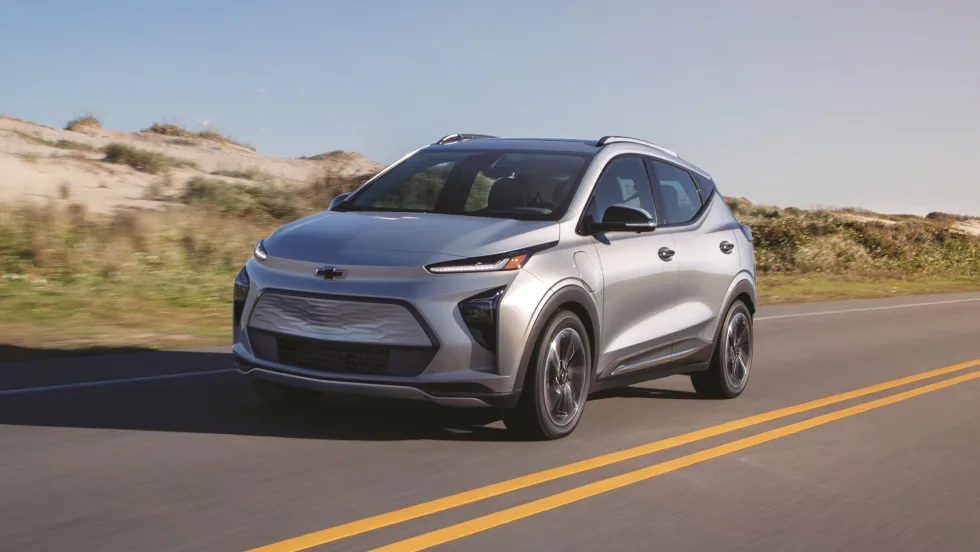
The 2022 Bolt EUV Lowers TCO While Meeting Sustainability Goals
The 2022 Bolt EUV expands Chevrolet’s EV lineup as a utility-type vehicle with a range of 250 miles on a full charge. It will be sold alongside the 2022 Bolt EV model. The Bolt EUV is approximately six inches longer than the Bolt EV.
Read More →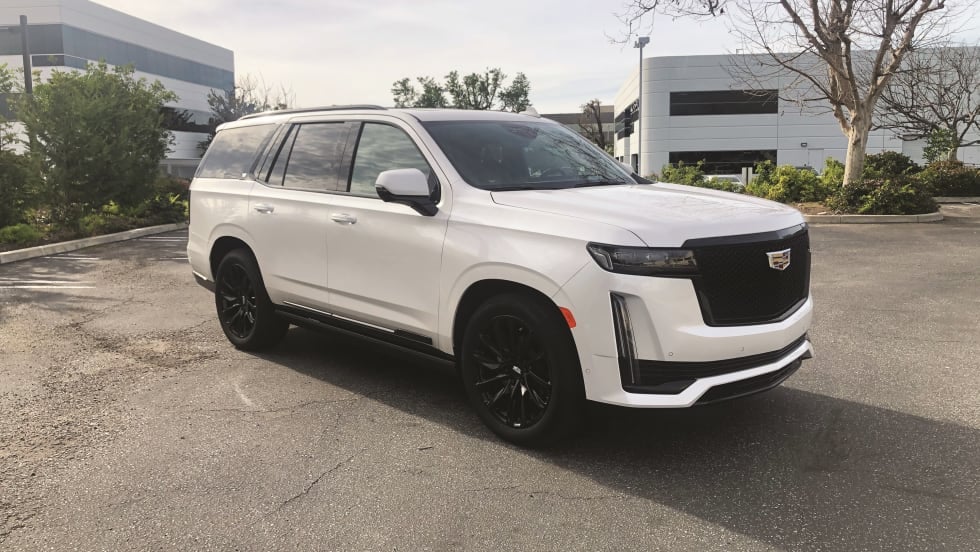
2021 Cadillac Escalade is C-Suite Material
The 2021 Cadillac Escalade 4WD Sport Platinum is the most expensive model sold by General Motors. But its brand cachet makes it the ideal pinnacle fleet vehicle to help retain high-value senior execs with a high-value luxury SUV.
Read More →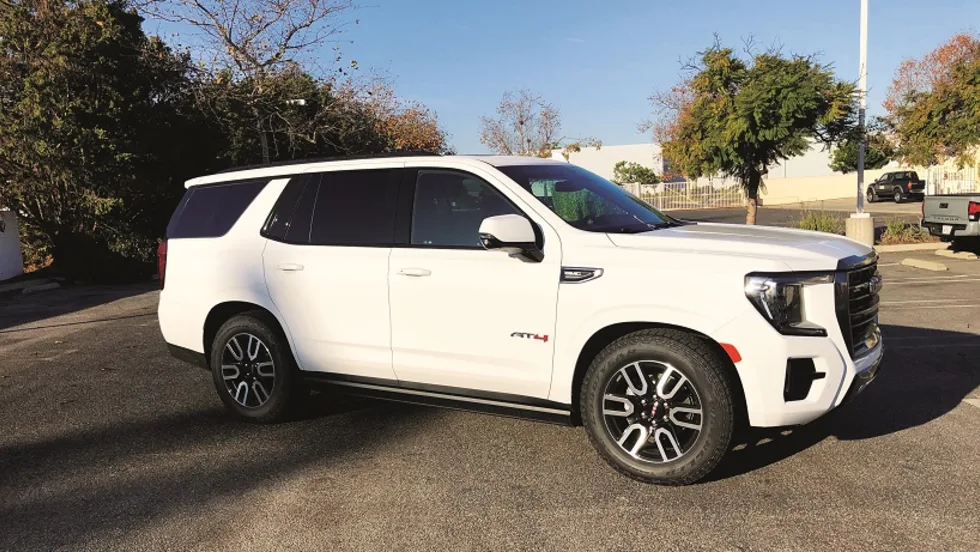
2021 GMC Yukon AT4 Excels as an Off-Road Crew Vehicle
Powered by a 5.3L V-8, generating 355 horsepower and 383 lb.-ft. of torque, the engine is paired to a10-speed automatic transmission. It is ideal for off-road work applications and can transport an eight-person work crew with tools and equipment.
Read More →