


 MENU
 SEARCHMENUSEARCH
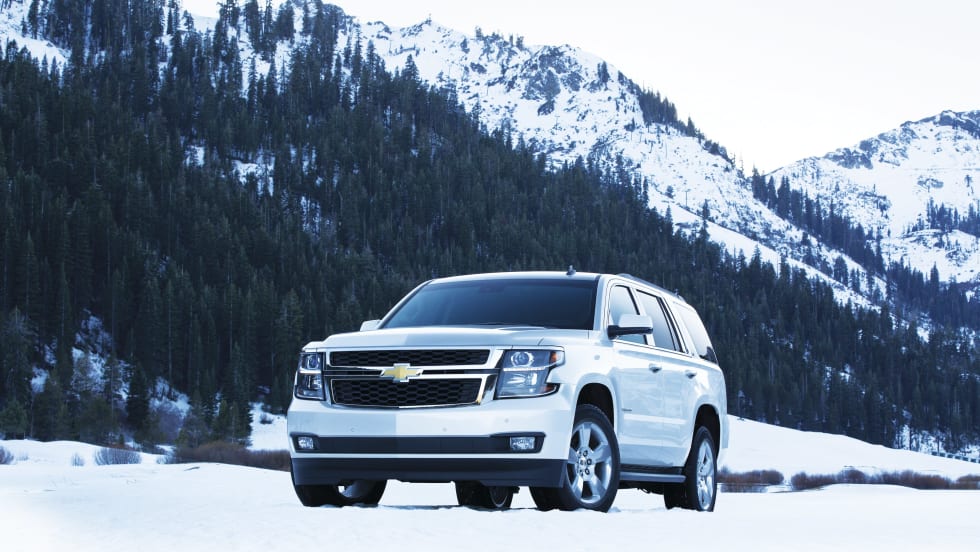
It was "over the river and through the woods" for automotive journalists who recently had a chance to put the new, MY-2015 Chevrolet Tahoe and GMC Yukon Denali models to the test.
Read More →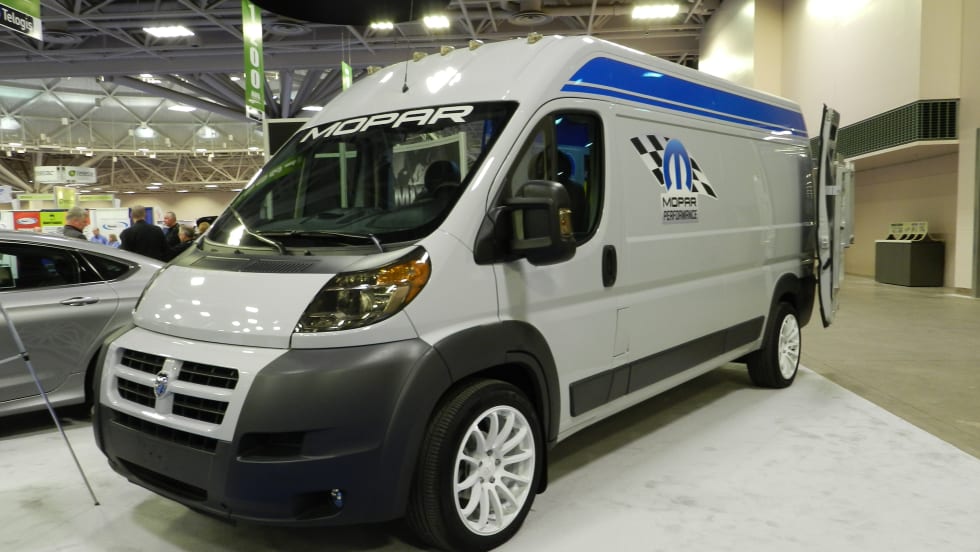
The NAFA Fleet Management Association 2014 Institute & Expo took place in Minneapolis April 8-11, attracting fleet managers from all over the country.
Read More →
With the help of Clean Cities, communities in 24 states learned what it takes to create an electric vehicle infrastructure to meet the growing demand of this next-generation alt-fuel option.
Read More →
As a general rule when considering total cost of ownership (TCO), employees with high-mileage needs should be provided with a company vehicle; those with low-mileage needs should have their job function reviewed to determine if personally owned vehicles (POVs) would produce the lowest TCO through a business reimbursement program.
Read More →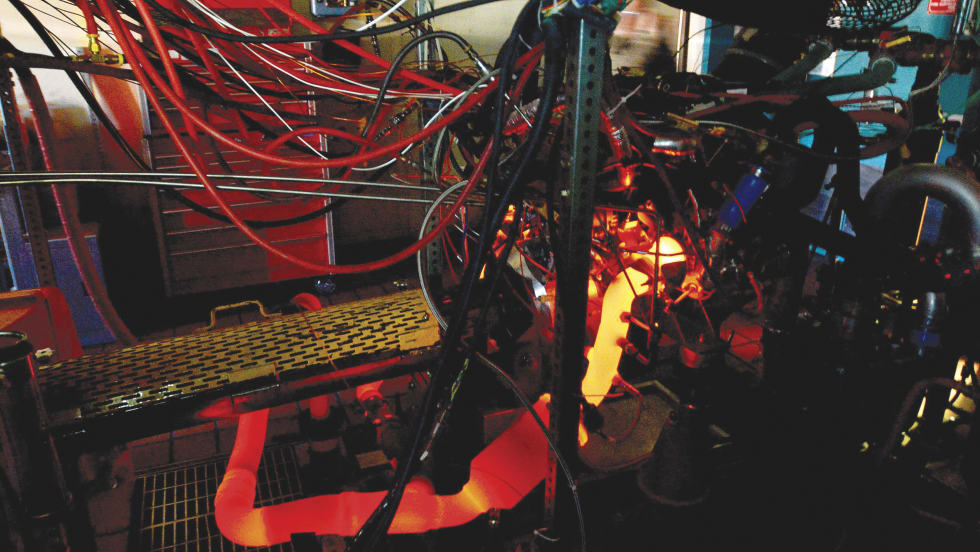
Aluminum is nothing new to the engineers at Ford. More than 20 years ago, the Dearborn, Mich.-based OEM began playing with the metalloid when it started the Aluminum Intensive Vehicle (AIV) program.
Read More →The current state of alternative-fuel infrastructure continues to evolve thanks to market-driven policies, emerging fuels and technologies, and government and manufacturer collaborations.
Read More →
For fleet managers, distractions can turn into millions of dollars in losses due to accidents and the ensuing injuries to drivers and damage to vehicles, as well as any other motorists involved.
Read More →
Mercedes-Benz USA's 2015 model-year vehicles are more fuel efficient for the fleet executive and friendly to the environment.
Read More →
Thanks to a best-ever March 2014, Mercedes-Benz USA (MBUSA) hit a new first-quarter sales record in 2014 with 30,091 vehicles sold across the Mercedes-Benz, Sprinter, and smart model lines. Vehicles leading the way included the C-Class, E-Class, and M-Class model lines.
Read More →Refuse fleets are one of the fastest growing markets for compressed natural gas, primarily because of the significant fuel cost savings that can be realized. The Natural Gas Vehicle Institute offers these key factors refuse fleets need to examine when considering upgrading to CNG.
Read More →