


 MENU
MENU SEARCHMENUSEARCH
The used truck market is currently thriving with low-mileage used vehicles in high demand and short supply.
Read More →
The ultimate outcome of the pandemic and the strength of the economic recovery are driving many predictions on future pricing.
Read More →
The largest fleet operating expense is fuel, which traditionally represents approximately 60% of all operating costs. However, the decreased miles driven by fleets during the pandemic was the No. 1 factor contributing to keeping fuel costs flat in 2020.
Read More →
More stringent enforcement of OEM-recommended services to qualify for warranty coverage continues. Cash flow issues caused by the pandemic have caused some OEMs to be more tight-fisted with warranty recovery dollars.
Read More →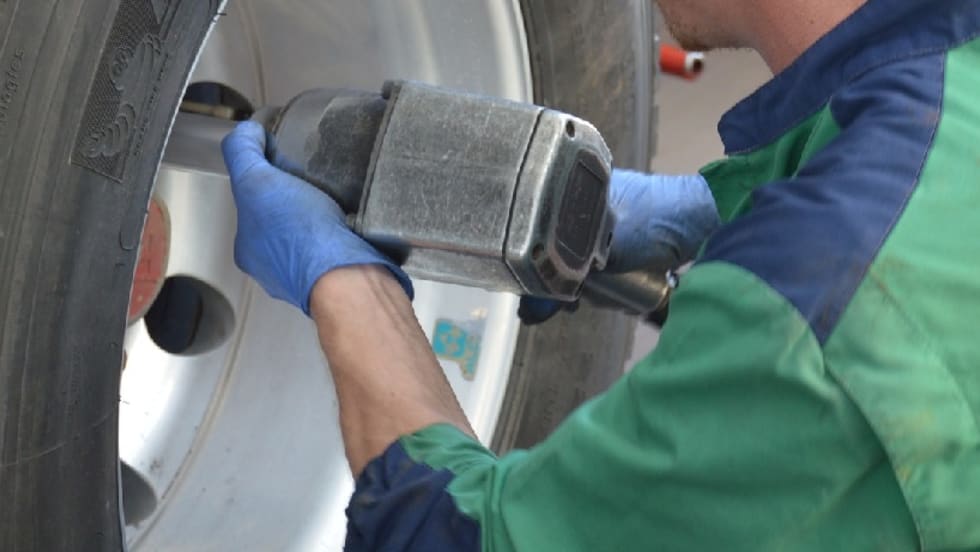
A perennial factor exerting upward pressure on replacement tire costs is the adoption of larger diameter tires and unique tire sizes. The increase in OEM automobile wheel diameters has driven up the price of fleet replacement tires, primarily because the larger the tire, the greater the manufacturing expense.
Read More →
The trend has been to extend PM intervals due to the use of longer-lasting synthetic motor oils, but during the COVID lockdown many fleet vehicles were idled, decreasing miles driven, causing PM compliance to diminish.
Read More →
The price of fuel is impacted by many variables making predictions difficult. However, there are certain variables that are in play today, which allows us to extrapolate and extend those trend lines into the next calendar-year and interpret possible outcomes.
Read More →
Reduced tire demand and a decrease in overall miles driven have caused tire manufacturing volume to decline in 2020, creating a downstream ripple effect softening commodity prices for natural rubber, but this may change in 2021.
Read More →
Although unscheduled maintenance increased due to extended service lives, prolonged inactivity during the COVID lockdown, and longer downtime due to parts shortages, costs were flat as vendors refrained from price increases.
Read More →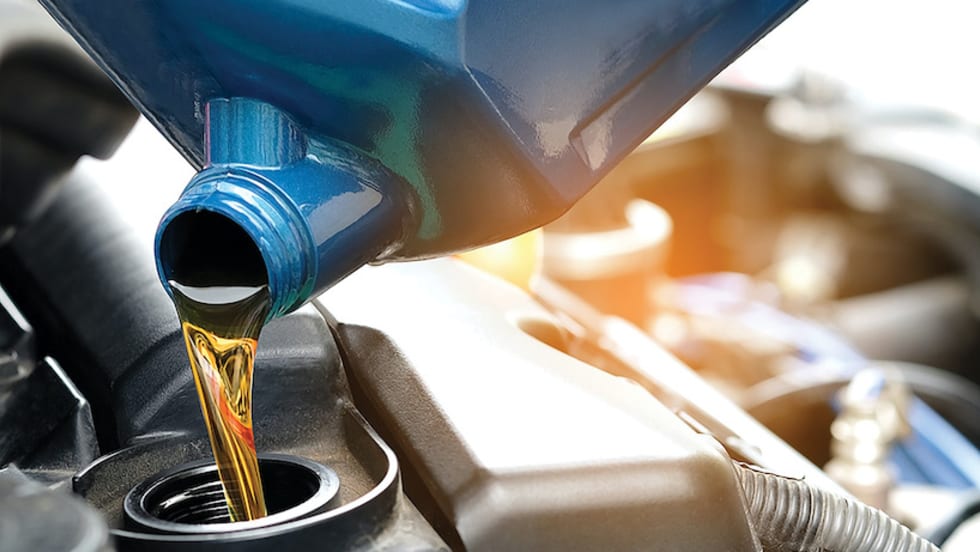
For the past decade, more OEMs are recommending the use of more expensive synthetic motor oils, which is increasing the cost of each PM service. But the higher quality motor oil also allows the intervals between these services to lengthen, which is offsetting some of the additional per-transaction costs.
Read More →