




Will Drivers Ultimately Demand Self-Serve Fleet Management?
The U.S. is migrating to a self-serve economy. Interactive self-service technology permeates large swathes of our economy, with the retail, hospitality, banking, and travel industries being the early adopters. We utilize this technology with ATMs, online banking, pay-at-the-pump fuel stations, Web-based shopping, self-service retail checkout lanes, Internet-enabled travel reservation systems, and touch-screen kiosks to check-in at airports and hotels. Most of us don’t realize how huge this marke


The U.S. is migrating to a self-serve economy. Interactive self-service technology permeates large swathes of our economy, with the retail, hospitality, banking, and travel industries being the early adopters. We utilize this technology with ATMs, online banking, pay-at-the-pump fuel stations, Web-based shopping, self-service retail checkout lanes, Internet-enabled travel reservation systems, and touch-screen kiosks to check-in at airports and hotels. Most of us don’t realize how huge this market has become. The IHL Consulting Group, a retail marketing research company, says sales from self-service checkout lanes in supermarkets, drug stores, and home improvement centers will reach $1.3 trillion in 2007.
Self-serve technology promises to make even further inroads into more industries. In 2005, a new organization known as the Society of Self-Service Technology Professionals (S3TP) was created to serve as an advocate across all industries for vendors and end-users of interactive self-service technology.
Self-Service is a Growing Phenomena
Today, self-service fleet management already exists for many company drivers. Drivers are notified by e-mail when eligible to order a new company vehicle, they can select the make and model online from a Web-based fleet selector, they receive online order-to-delivery status reports on the ETA of the new vehicle, and drivers can buy out-of-service fleet vehicles using an online fleet management system. All of this can be done 24/7, at home or at work, using a Web-based system without having to interact with a human being. Many drivers who function in this type of environment give fleet high satisfaction ratings. Fleet intranet sites provide drivers with access to fleet-related information directly from their laptops, streamlining the dissemination of information. Fleet intranet sites provide the answers to frequently asked questions, eliminating the need to contact the fleet department or fleet management company to answer routine inquiries. All of this, and more, are causing the relationship between the driver and the fleet service provider to transition from a person-to-person transaction to a digital one.
Where Does the Fleet Manager Fit?
In the early years of fleet management, the fleet department staff spent the day manually processing new-vehicle orders, updating driver records, registering vehicles, and answering routine phone calls from drivers in the field reporting maintenance problems or inquiring about new-vehicle delivery status. The majority of these jobs have vanished as a result of outsourcing and automation. Technology has pushed mundane tasks to the driver level, such as ordering vehicles and maintaining PM schedules. Many specialized fleet tasks have been outsourced to companies with the expertise and systems to more effectively manage these processes, such as accident management and subrogation.
The transition to self-serve fleet management is changing not only driver interaction, but also the skill set required of fleet managers. The exemplary fleet managers (today and in the future) need to rise above the level of simply managing day-to-day work. Besides being a fleet management expert, they must be knowledgeable about the company’s product line and services, market-ing objectives, corporate culture, and the needs of user groups. They must be proactive and anticipate changes in their corporate environment. They implement fleet programs that contribute to the achievement of overall company goals. These goals vary. Some companies focus on cash flow, while others zero-in on employee retention, hiring, productivity, and satisfaction. Different corporate objectives dictate different policies and fleet programs. Fleet managers must link fleet to the corporation’s overall mission and keep management informed as to how fleet is helping to improve the corporate mission.
A fleet manager validates his or her importance day-in and day-out by cost-effectively managing hundreds of thousands to millions of dollars of corporate assets and controlling the expenses associated with operating these assets. This requires a skill set that focuses on fleet policy development, the implementation of safety programs, selector creation based on exhaustive lifecycle cost analyses, and establishment of metrics to manage suppliers. Exemplary fleet managers proactively seek to maximize the productivity and revenue-generating capacity of each company driver at the lowest possible cost. A fleet manager can easily save a company millions of dollars by implementing the right fleet policies and selecting the right vehicles and suppliers. If you can reduce annual fleet expenses by $200,000, that will generate the equivalent of $2 million in sales, if your company operates at a 10-percent net profit margin. This is the skill set that will make you indispensable in the eyes of senior management.
Let me know if you agree.
More Operations

How Coca-Cola United Protects Its Fleet from Growing Legal Risk
Growing legal exposure can put fleets at risk. Here's one company's approach.
Read More →
Fleet Managers Think They Understand Their Costs. The Data Says Otherwise.
Most fleet managers say they have a strong handle on their costs, but new research from Bobit Business Media tells a different story. A 2026 survey of 190 fleet professionals reveals a widespread "confidence gap" where fragmented systems, disconnected data, and delayed reporting are leaving major blind spots hidden beneath the surface. Find out what the data actually shows.
Read More →
Cameras, Safety and Insurance: From Reactive Claims to Real-Time Prevention (Part 2 of 2)
Part Two: Commercial auto remains one of the most challenging and costly lines of coverage for fleet operators and insurers alike. Continue learning more about how to effectively address these issues from Onur Aksan, Enterprise Business Development Executive, Geotab
Read More →


New Trucks, AI & Summer Downtime | AF News Recap
From new truck updates to AI-powered driver coaching and summer maintenance tips, this week's fleet headlines are all about keeping things moving.
Read More →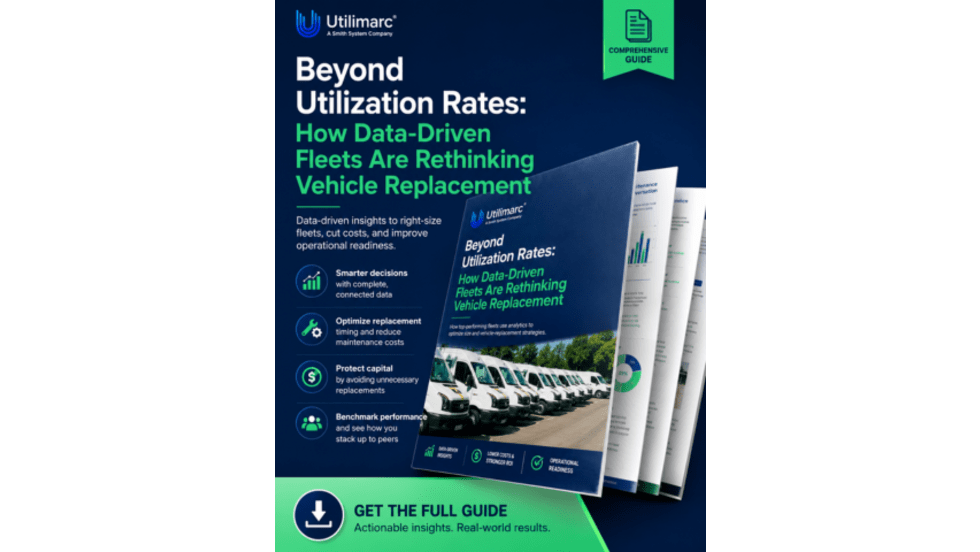
Beyond Utilization Rates: Smarter Fleet Replacement Decisions
Vehicle replacement decisions affect every aspect of fleet performance, from operating costs to asset availability. This guide explores how fleet leaders use integrated data, benchmarking, and lifecycle analytics to determine the right fleet size and optimize replacement timing with greater confidence.
Read More →
Slate Debuts Colorful, Unique EV Models
A recent media and client event, studded with electric vehicles dressed up on platforms, planted a new position for the manufacturer in the wider EV market. Fleets will find cost-saving advantages.
Read More →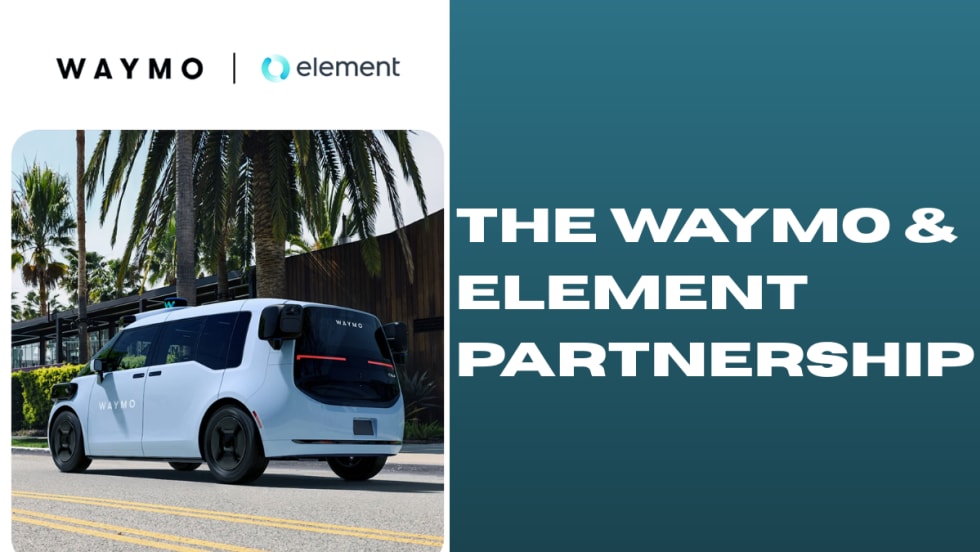
Element, Waymo Partner on Autonomous Fleet Operations
The multi-year agreement will support fleet management services for Waymo's autonomous ride-hailing operations, beginning in San Diego.
Read More →
Slate Electric SUV, Pickup Switchable Model Aims For Light-Duty Fleets
Everything about this EV is counterintuitive and understated, making it stand out from the crowd.
Read More →
How to Manage Conflict for Your Fleet Operations
Conflict management is becoming a core leadership skill. Here are five strategies fleet leaders should know.
Read More →
Turning Connected Vehicle Data Into Decisions That Matter
Fleet leaders have more data than ever, but turning that data into clear, actionable decisions remains a challenge. This white paper shows how leading organizations are using connected vehicle data to improve safety, reduce costs, and optimize fleet performance. Learn how to turn insight into action across your fleet.
Read More →