




Will Commercial Fleets Embrace Autonomous Vehicles?
The safety and productivity gains of autonomous vehicles are appealing, but fleet management companies don't expect fleets to become early adopters of the technology.


Photo courtesy of Waymo.
Commercial fleets may be slower to embrace autonomous vehicles. Nissan, Mercedes-Benz, and Google hope to have fully-autonomous cars on the road by 2020, but since the development of the technology is in the early stages, fleet management companies and one fleet manager told Fleet Financials that they are hesitant about becoming early adopters, while at the same time saying they're interested in the safety benefits of the technology.
“While early level autonomous features, like automatic braking, can clearly increase passenger safety, level 3 autonomous features, where the vehicle primarily drives itself but could need assistance from the human driver on occasion, seems risky as the driver could be too distracted to provide the instant attention needed to avoid a crash,” said Dennis Straight, senior vice president and CTO, Donlen. “This is my primary concern in the near-term.”
Another area that may be of concern is insurance and liability. Since, when considering level 3 autonomous capabilities, who, or what, will be considered “at fault” in the event of an accident?
“Insurance and safety regulations are a huge question mark at this time. How will autonomous vehicles be insured and how will this affect rates? What type of training and/or tests will drivers need to complete before driving an autonomous vehicle? Determining the at-fault party for accidents involving a driver and self-driving vehicle could also present an interesting challenge,” said Mark P. Donahue, manager, Fleet Analytics & Corporate Communications, Emkay.
The implementation of the technology may ultimately come down to how successfully the technology performs, and when the general public becomes accepting to it.
”Public perception of the first fleets to implement autonomous vehicles is going to have a major impact on the speed of adoption. Statistics show that while younger people are more open to use of autonomous vehicles, a majority still has concerns. If there are high profile negative incidents for early adopters it could drastically slow adoption of the technology,” said Bill Croke, manager of TotalView Analytics, Merchants Fleet Management.
Fleets That Will Benefit
A fleet manager who requested anonymity said that his fleet had no intention of becoming early adopters of autonomous technology. However, he did express an appreciation for the safety and productivity benefits that the technology is designed to provide.
“Eventually, fleets will be able to capitalize on the increase in safety through the significant reduction (or elimination) of accidents. In addition, with removing the task of physically driving the vehicle, we’d be able to realize productivity gains since the employee can now complete more work activities,” he said.
This manager predicted that companies that focus on product delivery (i.e. UPS, Amazon) or human transportation (i.e. ride-sharing services, taxi) will likely be early adopters of the technology.
Indeed, Ford announced last August its intention to deliver a high volume, fully autonomous vehicle for ride sharing by 2021, according to Forbes.
“Once the technology is proven in these segments, commercial fleets will start to adopt along with commuters. I can see companies incentivizing or subsidizing employees so they can work while commuting.” said the anonymous fleet manager.
Croke of Merchants agreed with the belief thats delivery fleets will be early adopters of the technology.
“Delivery fleets certainly are at the forefront of those with the potential to benefit from autonomous vehicles. Optimizing vehicle routing and operation, particularly with the potential to extend beyond the federal hours of service requirements that govern CDL drivers could be the next major evolution of the delivery industry,” said Croke.
Tom Sloan, director of telematics and safety solutions, Donlen, said that fleets that deliver or distribute parts from set locations will also benefit, since they typically follow a set route. He also mentioned executive fleets may be early adopters. He also said that autonomous vehicles may completely change the face of fleet altogether.
“New automakers will enter the market, and existing automakers that do not keep pace will be left behind. Autonomous vehicles have a significant impact on all traditional areas of fleet management – such as fuel, maintenance, and accidents. It may take some time, but fleet management may look very different once autonomous vehicles are commonplace in fleet. With an autonomous fleet, someone will have to be the custodian of that fleet. Self-managed fleets might decrease and the need for fleet experts will continue to add value,” he said.
More Operations
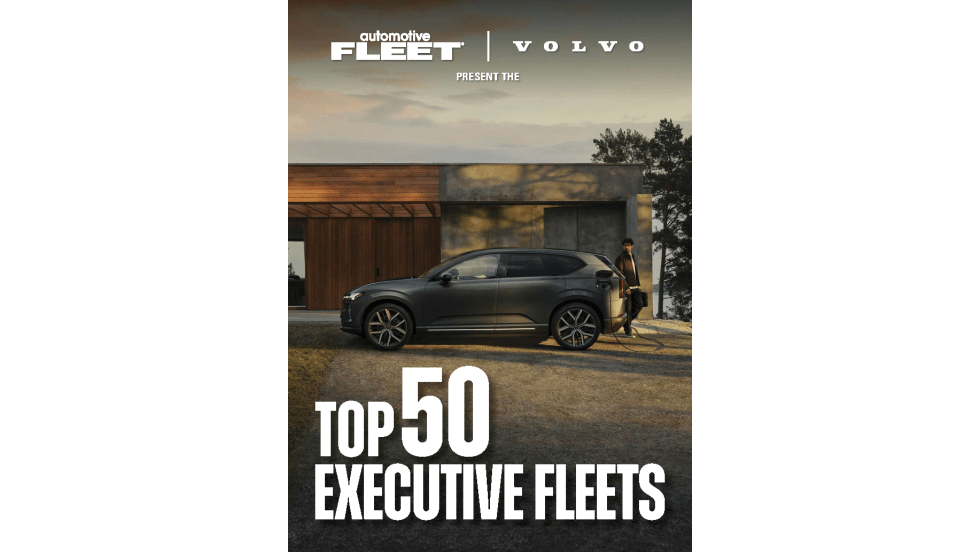
Top 50 Executive Fleets
It is that time of year again! Time for the 2026 list of the Top 50 Executive Fleets, presented by Automotive Fleet and Volvo as part of its annual Fleet 500. Download now to see this year's list of companies!
Read More →
Gary Van Orden Retires After Nearly Four Decades in Commercial Fleet
From answering customer calls at Ford Motor Company to leading fleet sales across multiple OEMs and a fleet management company, Gary Van Orden's career reflects nearly four decades of leadership in commercial fleet.
Read More →
How Stellantis Plans to Get Ahead of Fleet Downtime
Vehicle acquisition may grab the headlines, but fleet uptime increasingly determines operating success. Darren Bradshaw of Mopar North America gives the details.
Read More →
Hyundai Releases 2027 Commercial Program Incentives
The 2027 Model Year "Fleet Street Incentives" are available to commercial and government fleets.
Read More →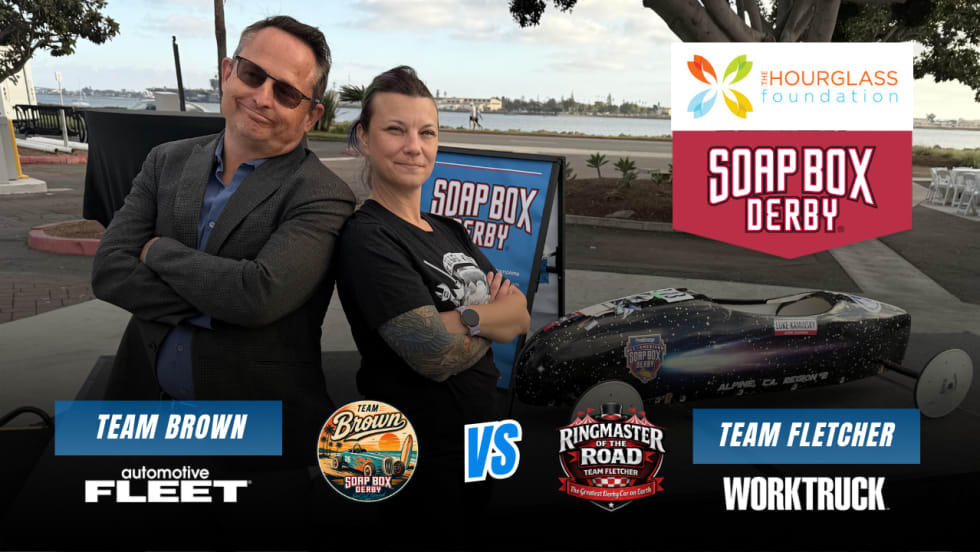
It's All Downhill from Here! Fleet Industry Raises $22,000 for Skilled Trades Scholarships
Work Truck’s Lauren Fletcher and Automotive Fleet’s Chris Brown turned a friendly racing rivalry into $22,000 for automotive technology and skilled trades scholarships.
Read More →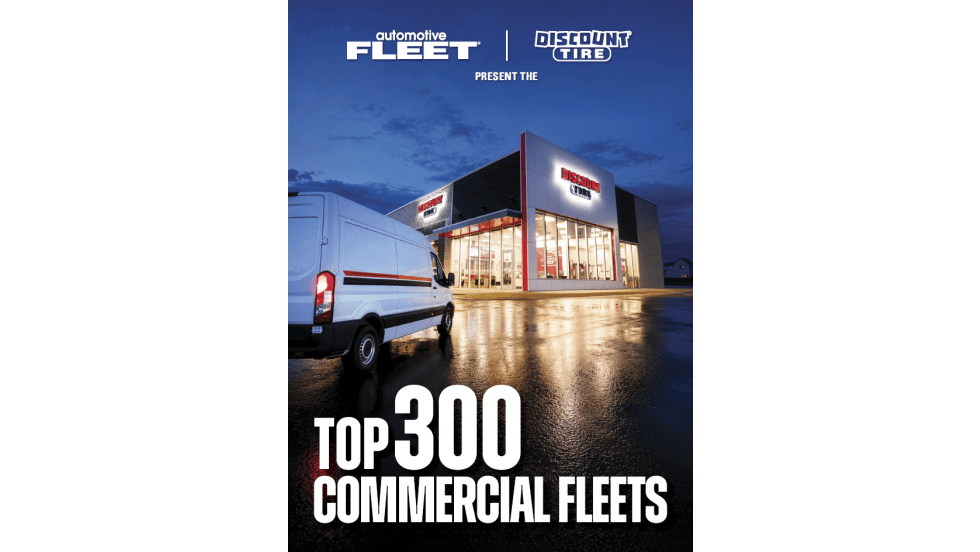
The Top 300 Commercial Fleets
The Top 300 Commercial Fleets: See the List
Read More →
Your Local Dealer Knows More Than You Think
Your local dealer can provide an information advantage that extends well beyond courtesy deliveries.
Read More →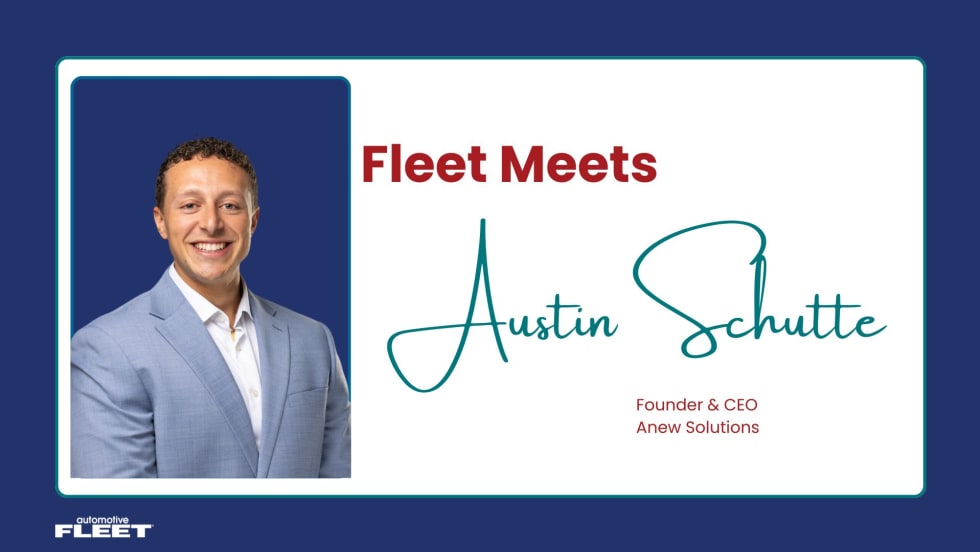
Fleet Meets: Austin Schutte
Here are some industry insights, personal touches, and words of advice from the CEO and Founder of Anew Solutions.
Read More →
Soap Box Derby Challenge: What’s Powering Team Brown
The car is coming together, the students are solving real build problems, and the fleet industry is helping push Team Brown toward the starting line.
Read More →