




About the Author: Lori Rasmussen has been the president/CEO of PARS since 2006. In this role, she is responsible for all facets of the business, including operations, sales and marketing, finance, and strategic planning. She maintains active involvement in several women-owned business organizations and associations within the automotive fleet industry. She served as the director at large for the Automotive Fleet and Leasing Association (AFLA) from 2006-2008, served on the executive leadership board from 2008-2010, and became AFLA president in 2011.
WIFM Makes Mentoring a Priority
Mentorship programs can be essential in establishing strong interpersonal connections and developing key talent. Take these tips for starting up your own fleet program.
by Lori Rasmussen, PARS
March 22, 2023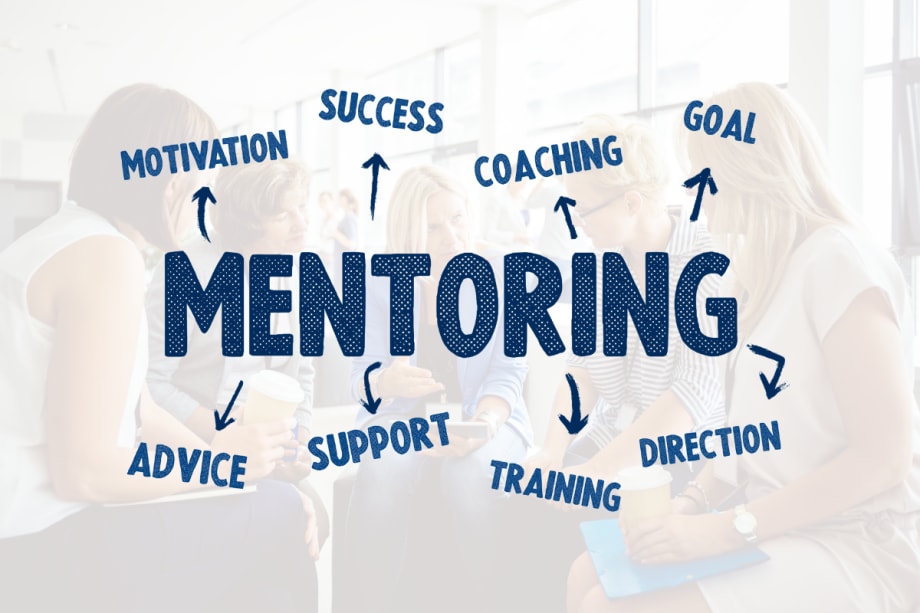
Preparing both the mentor and the mentee is important for establishing expectations around needs and goals.
Photo: Canva
6 min to read
The Women in Fleet Management Mentorship Program has been pairing fleet professionals hoping to share knowledge and perspective about the industry, their careers, and personal growth since 2018.
Participants have found the program to be extremely valuable. They cite its value as a foundation for their career growth and as a door to opening new, rewarding relationships and friendships.
Based on its success, the WIFM mentoring program, its processes, and its goals can serve as a model for employers or other organizations that rely on interpersonal connections to help their employees or members and help the organizations themselves in many ways.
Knowledge transfer
Mentoring programs facilitate the transfer of knowledge and expertise from experienced employees to those new to the organization or a specific role. This helps ensure that essential knowledge is not lost when employees leave the organization and helps those new to an organization get up to speed more quickly.
Mentors can share their perspectives about how things get done and how to effectively apply the competencies needed to succeed within an organization and among peers. In addition, they can provide advice on specific areas such as networking, time management, and leadership development.
Career development
Mentoring programs can help employees develop new skills and competencies necessary for their career growth within the organization. By providing guidance and support, mentors can help employees identify their strengths and areas for improvement, set goals, and create a plan for achieving them.
Talent retention
Providing mentoring opportunities can help organizations retain top talent and maintain continuity in pursuing organizational goals. Employees who feel supported and valued are likelier to stay with an organization, and mentoring programs can help foster a sense of belonging and engagement.
Diversity and inclusion
Mentoring programs can help organizations create a more diverse and inclusive workplace. By providing mentorship opportunities to employees from underrepresented groups, organizations can ensure that everyone can access the support and guidance they need to succeed.
Building confidence
Women in business may face unique challenges related to gender bias or stereotype threats, which can undermine their confidence. A mentor can help build confidence and self-assurance by providing positive feedback and support.
Networking
Mentors can introduce their mentees to other professionals in their field, expanding their network and creating opportunities for collaboration, mentorship, and career advancement.
Exposure
A mentor can help their mentee gain exposure to new ideas, perspectives, and experiences, allowing them to develop a broader understanding of their field.
Career advancement
Mentors can provide guidance and support as their mentees navigate their career paths, helping them identify opportunities for advancement and advising them on how to prepare for promotions or new roles.
Improved performance
Mentoring programs can also help improve organizational performance by increasing employee/member engagement, reducing turnover, and improving overall job satisfaction. Organizations can create a more motivated and productive workforce by investing in their employees' development and growth.
Lessons from the WIFM Mentorship Program
Borrowing from the WIFM Mentorship Program model, we have learned that there are several steps a mentor can take to prepare for a mentee.
Define your role and responsibilities
Establishing clear expectations for your role and responsibilities as a mentor is essential. This includes setting boundaries for communication, establishing goals and objectives for the mentorship, and identifying the areas where you can provide the most support.
Get to know your mentee
Take the time to learn about your mentee's background, experience, and goals. This will help you tailor your approach to their specific needs and interests.
Create a safe and supportive environment
As a mentor, it’s important to create a safe and supportive environment where your mentee can feel comfortable sharing their thoughts and feelings. Make it clear that you are there to support and guide them and are open to their feedback and suggestions.
Establish clear communication channels
Determine how you will communicate with your mentee, whether it's through email, phone calls, or in-person meetings. Establishing clear communication channels can help ensure your mentee feels supported and connected.
Develop a mentoring plan
Work with your mentee to develop a mentoring plan that outlines your goals and objectives for the mentorship. This plan should be flexible and adaptable to changes in your mentee's needs and goals.
Continuously evaluate progress
Regularly check in with your mentee to evaluate their progress and adjust your mentoring plan as needed. This will help ensure you provide the most effective support and guidance possible.
Mentee Prep Is Important, Too
As a mentee, there are several things one can do to get the most out of a mentoring session.
Set clear goals: Before the mentoring session, take some time to think about what you want to achieve from the session. Identify specific goals that you want to discuss with your mentor.
Come prepared: Come to the session with a clear agenda and questions you want to ask your mentor. This will ensure that you make the most of your time with them.
Be open-minded: Be open to the mentor's feedback and suggestions, even if they are not what you expect or hope to hear. Try approaching the session with a growth mindset and a willingness to learn.
Take notes: During the session, note the key points and ideas your mentor shares with you. This will help you remember the advice and suggestions they give you.
Follow up: After the session, take the time to reflect on what you learned and how you can apply it to your goals. Follow up with your mentor to thank them for their time and to update them on your progress.
Measure for Mentorship Program Success
An organization can measure the success of a mentoring program by considering several key performance indicators, such as:
Mentee satisfaction: The satisfaction of mentees with the program can be measured through surveys or feedback forms. Mentees can be asked about their satisfaction with the program, the quality of the mentoring relationship, and the usefulness of the guidance provided by the mentor.
Mentor satisfaction: Mentors' satisfaction with the program can also be measured through surveys or feedback forms. Mentors can be asked about their satisfaction with the program, their partner mentee's quality, and the guidance's usefulness.
Mentee development: The development of mentees can be measured by tracking their goal progress and assessing any improvements or growth in their skills and competencies.
Retention rates: The retention rates of mentees and mentors can be tracked over time to determine whether the program effectively keeps participants engaged and committed to the program.
Business impact: The impact of the mentoring program on the business can be measured by evaluating the performance of mentees and the impact of the mentoring program on their teams or the organization as a whole. This could include metrics such as productivity, employee engagement, and overall business performance.
By considering these performance indicators, any organization can assess the success of its mentoring program and make any necessary adjustments to improve its effectiveness.
To learn more about the WIFM Membership Program, which pairs mentors and mentees based on identified focus areas, visit this page online. All corporate fleet professionals are welcome to participate. The next pairing deadline is September 1, 2023.
Subscribe to Our Newsletter
More Operations

How Fleets Can Recruit and Train Veterans for Technician Roles
Here's how the technician shortage has affected uptime for fleets, and what to do about it.
Read More →
Avis Budget Group Deploys Neology Toll Management Technology Across Major Brands
Neology’s neoFleet platform will manage toll transactions and toll-authority operations for vehicles across Avis, Budget, Payless, Budget Truck and Zipcar.
Read More →
Fleet Personal-Use Charges Edge Higher in 2026
Nearly eight in 10 surveyed fleets allow personal use of company vehicles, while just over half of respondents report charging employees for the privilege.
Read More →
The Future of Fleet + What’s Changing Right Now | AF News Recap
Could developments overseas offer a preview of what’s coming for U.S. fleets? This week, we’re looking at the future of AI, autonomy, and electrification, plus Ford Pro’s new certified pre-owned program, smarter vehicle offboarding, and a new way for fleets to manage toll expenses.
Read More →
How to Handle Vehicle Offboarding
What do fleet managers need to do when a driver leaves?
Read More →
Sponsored•October 1, 2026
Fleet Manager’s Ultimate Playbook: Navigating the New Standard in OEM Connectivity
Rising operating costs, driver safety concerns, and unplanned downtime are putting unprecedented pressure on modern fleets. Discover how fleet managers use embedded OEM connectivity and real-time vehicle data to cut TCO, prevent downtime, and protect drivers without aftermarket telematics hardware.
Read More →
U.S. Bank Adds Verra Mobility Toll Management to Voyager Fleet Platform
The integration allows U.S. Bank Voyager fleet customers to manage toll payments and violations alongside fuel, EV charging and maintenance expenses.
Read More →
ADAS Prevents Crashes. But Repairs Cost More | AF News Recap
ADAS-equipped vehicles may crash less often, but they can cost more when they do. This week, we’re breaking down what that tradeoff means for fleets, plus Subaru’s first Forester Wilderness Hybrid, Nissan’s new e-POWER Rogue, and why Calstart has become Catalyst Mobility.
Read More →
Moventum Fleet Management Names Mark Iorillo Head of Sales
Iorillo brings nearly 20 years of fleet management and sales experience to the role, including previous positions at Element Fleet Management, CEI, Donlen and Ryder.
Read More →
Fleet Has a Talent Pipeline Problem. What Comes Next? | AF News Recap
Where will fleet’s next generation of leaders come from? This week, we’re looking at the industry’s talent pipeline, what certification can add to a fleet career, how to build an award-worthy track record, and the return of Automotive Fleet’s Personal Use Survey.
Read More →