




Who Is the 'Real' Fleet Manager?
Should vendors who perform the functions of the in-house fleet manager be considered fleet managers? The City of Wilmington, DE, with its outsourcing contract with Ryder, has been cited by those who think they should.
The controversy surrounding outsourcing, especially in the form of so-called total fleet management, has been blurred by a vote of the members of the National Association of Fleet Administrators (NAFA) to approve for full membership vendor personnel who perform the same duties as in-house fleet managers. In some cases, those supporting this dramatic change in NAFA membership rules have cited the case of the City of Wilmington, DE, as an example of a vendor, in this case Ryder MLS, providing personnel who perform essentially the same function as their in-house counterparts. AutomotiveFleet contacted the city to see how its program works, and how it views its relationship with Ryder.
A Typical Municipal Fleet
The City of Wilmington is, in most ways, a typical municipal fleet. Its 430 vehicles include 200 cars, light trucks and vans, 50 medium duty trucks, and 150 heavy-duty trucks, along with 30 pieces of miscellaneous equipment. Ed Stone Jr., administrative engineer for the city, says roughly 80 percent of the fleet is garaged at the Wilmington Public Works Yard, where maintenance and repairs were performed by city fleet staff. Physical damage repairs were, and still are, subbed out to body shops in the city.
Asked how the outsource plan came about, Stone said the original plan arose from a study and review by David M. Griffith and Associates, a fleet management consulting firm, that was done in early 1993. Stone says that one of the primary recommendations made was to privatize the Public Works Yard maintenance and repair facility. The city went out for bids, and in October 1994, the contract was awarded to Ryder MLS, Stone said.
Not a Revolutionary Concept
The contract awarded to Ryder was within the scope of its regular business. AF asked Stone if, as is sometimes thought, they were asked to run half the fleet, with the other half kept in-house. "No, they aren't running half the fleet," Stone says. "Ryder was awarded the contract to run the Public Works Motor Vehicle maintenance facility." Essentially, Ryder MLS took over full responsibility for the facility, the equipment, inventory of parts, and staffing. Doug Thompson, Ryder's general manager of the Wilmington site, explains how this was accomplished. "All existing garage staff were given the opportunity to remain at the facility as Ryder employees, but they all chose to remain city employees in other, non-fleet capacities," said Thompson. Ryder then staffed up to the current level of 12 employees, which includes administrative as well as technical positions. "We bought the existing parts inventory. The shop equipment and building was then leased from the city," said Thompson.
The overall responsibility for fleet management, however, remains with the city as a member of the fleet management staff. "The city remains full responsibility for fleet management, replacement cycling, leasing, policy, and ultimately, judging the performance of all our vendors, including Ryder."
Performance Criteria
Ryder's performance in running the facility is judged by some very specific criteria. "The most important aspect of running a municipal fleet is uptime, and this is how Ryder is judged," Stone said. The fleet is divided into three categories: light-duty, police duty, and heavy-duty vehicles. Uptime, or the availability of vehicles for use, is tracked using a point system. The system includes tracking turn-around time; that is, the time that it takes to bring a vehicle into the shop, perform necessary work, and bring it back into service.
"We are penalized for reworks, if a vehicle must be brought back into the shop after having been serviced," Thompson said. These performance measures are common in municipal fleet management, where maintenance is done in-house.
How does the experience of the City of Wilmington fit into the debate as to who is the "real" fleet manager? The argument goes that when an outside vendor is providing some or all of the functions that an in-house fleet manager performs, the vendor representative should be eligible for full membership in NAFA; the difference lies only in where the employee's paycheck comes from. Thus, Thompson Ryder of MLS, by performing many of the same duties as did his predecessor from the city of Wilmington, would be considered a fleet manager, and would be eligible for NAFA membership.
Does Wilmington consider Thompson to be the city's fleet manager? "No, not entirely," Stone responded. "Doug is part of the city fleet management team, which includes city employees as well as contractors such as Ryder MLS and Marc Knight, an independent consultant." He further explained that the fleet team is successful because each participant knows his function, and communications are regular and open. Thompson agrees, saying, "We don't always agree. But we've got the same goal, to operate the city fleet in the most cost-effective manner possible."
The contract for outsourcing the operation of the city garage was a regular part of Ryder's business, not some revolutionary new relationship; Ryder is a contractor to the city, providing a service for a price. The debate will continue, but the City of Wilmington is a clear example of a vendor/customer relationship that has been common in the industry for a long time.
More Operations

Fleet Has a Talent Pipeline Problem. What Comes Next? | AF News Recap
Where will fleet’s next generation of leaders come from? This week, we’re looking at the industry’s talent pipeline, what certification can add to a fleet career, how to build an award-worthy track record, and the return of Automotive Fleet’s Personal Use Survey.
Read More →
Smith System Launches Driver Risk Management Program
Fleets have more driver data than ever, but identifying risky behavior doesn't necessarily correct it. Smith System's new Driver Risk Management program combines monitoring, training, and follow-up coaching to help fleets connect risk signals with driver intervention.
Read More →
Automotive Fleet Opens 2026 Personal Use Survey for Commercial Fleet Managers
Less than two weeks left! Commercial and corporate fleet managers are invited to share how their organizations handle company vehicle personal-use policies, charges, and driver eligibility.
Read More →
From AI Prompts to AI-Generated Safety Songs | AF News Recap
Can better prompts make AI more useful for fleet managers? This week, we’re breaking down smarter fleet analysis, an AI-assisted experiment that turned safety training into music, and what happened to fuel prices in August.
Read More →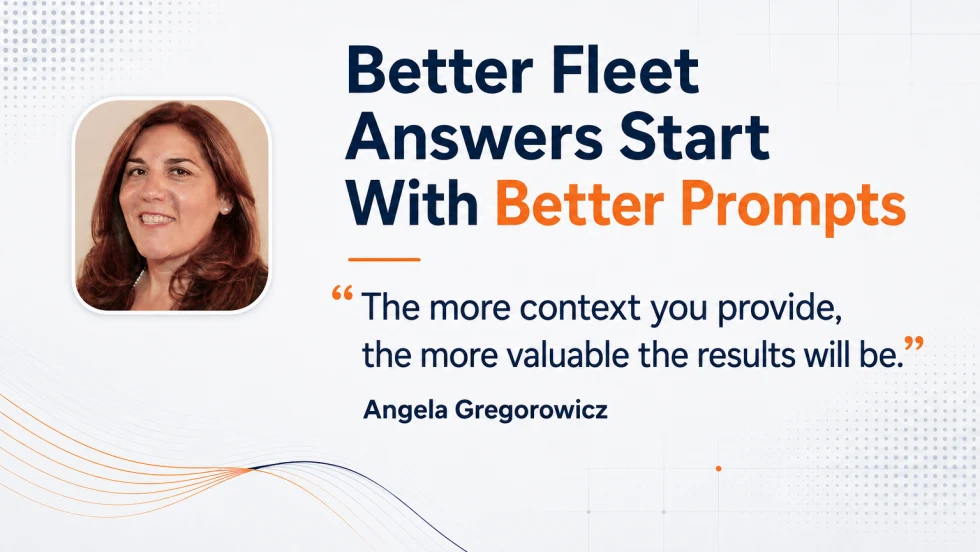
How to Write Better AI Prompts for Fleet Analysis
Include these six elements in your fleet prompts to generate more relevant analysis and accurate answers.
Read More →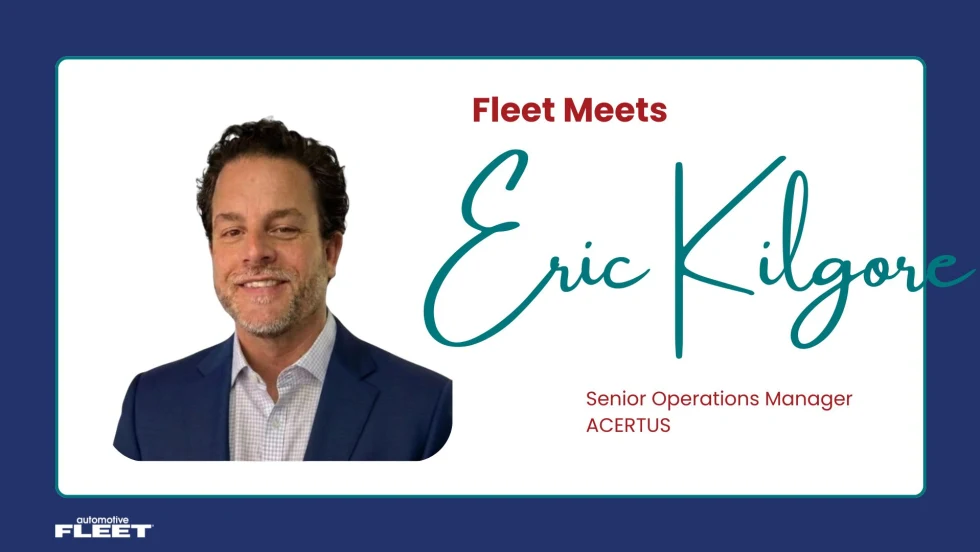
Fleet Meets: Eric Kilgore
This edition of the Fleet Meets series features one of the industry's best leaders driving multi-market and national operations.
Read More →
Why Reactive Fleet Management Is Becoming Too Expensive to Sustain
Research highlights a growing need for proactive management strategies to address rising costs in fleet operations effectively.
Read More →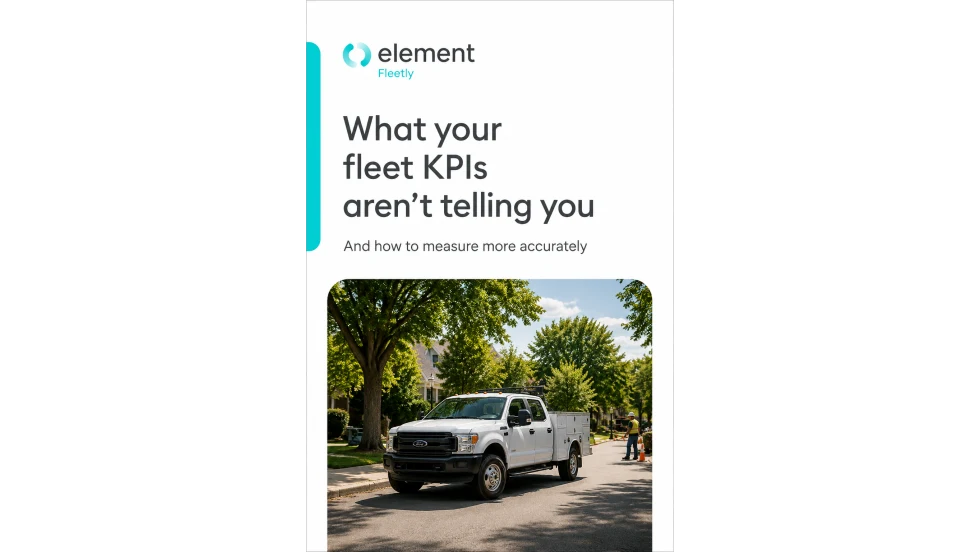
What Your Fleet KPIs Aren’t Telling You
Tracking fleet metrics is only useful when the data leads to better decisions. This guide helps fleet leaders assess cost, utilization, and downtime more accurately, identify performance gaps, and prioritize the actions that can improve operational results.
Read More →
Hidden in Plain Sight: Fleet Compliance Risks
Fleet compliance isn't just about having policies — it's about consistently enforcing them. This practical guide reveals six hidden compliance risks common in public sector and shared fleet operations and outlines proven strategies to improve visibility, accountability, and audit readiness
Read More →
Turning Fleet Payment Data into Executive Insights
Does data alone drive results in operations?
Read More →