




Related: First Free DC Fast Charging Station to Open in Conn.
What Will Fuel Stations Look Like in the Future?
In the “Petrol Station of the Future” study, German fuel retailer Aral and the Institute for Transport Research of the German Aerospace Center (DLR) examined mobility trends and envisioned a plan for city fuel stations in 2040.
by Staff
November 10, 2019
Aral’s concept for a city fuel station in 2040.
Photo courtesy of Aral.
3 min to read
In the “Petrol Station of the Future” study, German fuel retailer Aral and the Institute for Transport Research of the German Aerospace Center (DLR) investigated how driving performance, vehicle fleets, and their types of propulsion and mobility behavior in Germany will change in 2040.
Additionally, the study looked at the role fueling stations will play in the future. City fueling stations will experience a transformation with the addition of new services for autonomous vehicle fleets, air taxis, and a growing number of electric cars. Experts looked at four types of environments: the big city, the rural area, the urban district, and the motorway.
The need for mobility will grow, according to the study. In 2040, DLR predicts the Germans will travel around 900 billion kilometers per year by car and commercial vehicle – an increase by around 24% compared with 2010.
According to the study, commercial vehicles will double their mileage by 2040 (around 200 billion kilometers) due to the growing e-commerce business and the increasing mileage of freight traffic (more than 87%). Private car traffic is the only segment that will decrease (5%).
In 2040, more passenger vehicles will be powered by hybrid systems. Gasoline and diesel hybrids will make up the largest share of total car ownership at 68% while plug-in hybrids will increase by 28%. Diesel or petrol-powered vehicles will account for two-thirds of the total vehicles. Additionally, electrification will continue to grow with 1.3 million electric vehicles expected to be on German roads.
For filling stations, the three classic pillars (fuel, shop, and car wash) will remain, but they will adjust to technological advances and changing customers’ needs.
“The filling station will certainly continue to play an important role in our mobility in the future,” said Barbara Lenz, director of the DLR Institute for Transport Research. “With new functions, it can become a hub in our everyday lives.”
Fuel stations will see a drop in the number of fuel pumps and instead add more charging stations, especially the ultra-fast charging columns that can charge cars in five minutes for a range up to 145 kilometers. Fuel stations will use tank robots for refueling and charging vehicles. Stations will also offer natural gas and LPG fuel options.
"We will continue to score points in the coming decades with further developed high-quality fuels that increasingly contain bio-components or synthetic fuels, and thus be able to make an important contribution to the growing mobility of our society,” says Patrick Wendeler, CEO of Aral.
At filling stations, autonomous vehicles could carry goods from the store to the home via “home delivery.” In a station’s café area, customers could choose from a variety of food options. The station can also provide customers with pooling vehicles to continue the rest of their journey.
New mobility trends will be available at fueling stations in the big city. With the increased use of autonomous vehicles, filling stations could provide services for autonomous vehicles. In addition to being serviced and cleaned there, autonomous vehicles (from fleet operators) will be available on call.
For the increase in e-bikes and e-scooters, battery charging machines will be available at fueling stations. Private drivers and commercial delivery services could exchange empty batteries for charged ones. Another new service could be offering meeting rooms and mobile offices for businesspeople.
In rural areas, keeping your own car is central to mobility, especially as the routes to be driven are getting longer due to a thinning infrastructure. Fueling stations could act as a social meeting place as well as offer parcel services. Commercial drivers could take deliveries for their customers from the station’s parcel center.
Subscribe to Our Newsletter
More Fleet Forward

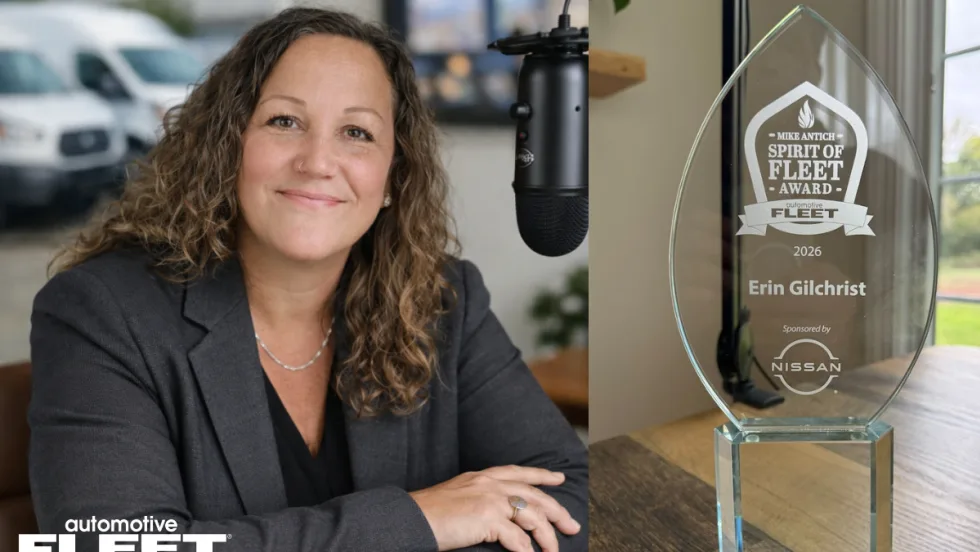
Erin Gilchrist Receives Mike Antich Spirit of Fleet Award
Last week at AFLA in Vegas, Erin Gilchrist received the inaugural, brand-new Spirit of Fleet Award.
Read More →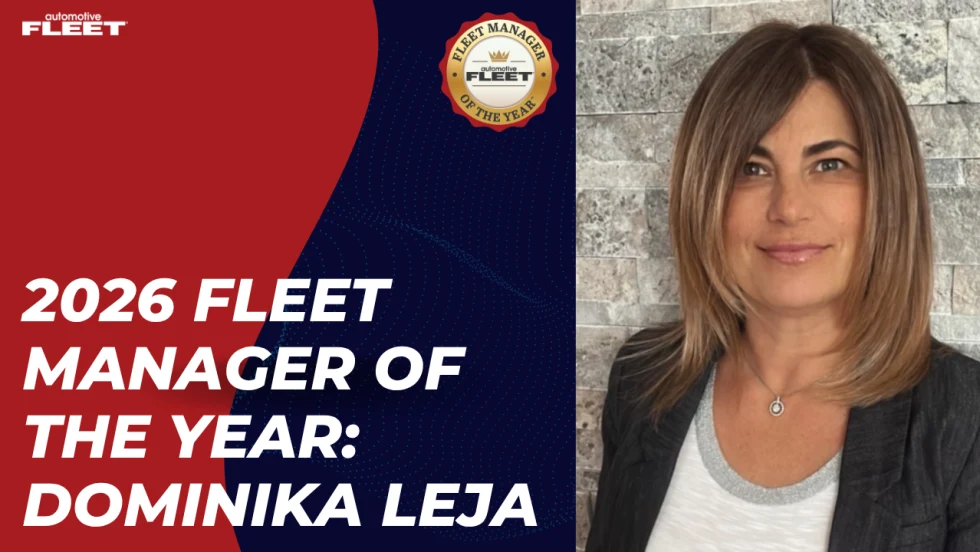
Dominika Leja Named the 2026 Fleet Manager of the Year
The AstraZeneca associate director of fleet was recognized for her leadership in fleet electrification, cost savings, and operational transformation.
Read More →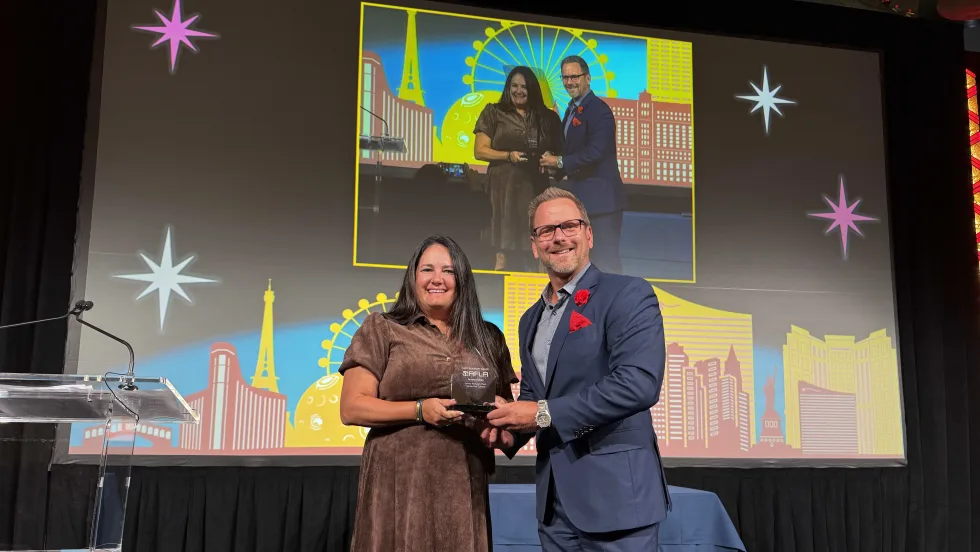
Jamie McKay Named the 2026 Fleet Visionary Award Winner
The Aptive Pest Control fleet manager was recognized for her approach to operations, data, lifecycle management, and driver needs.
Read More →
Fleet Forward Conference Introduces One-Day Passes for 2026
New one-day registration gives fleet professionals the flexibility to attend Tuesday, Wednesday, or Thursday, with passes available for $199 through Sept. 18.
Read More →
Vibe Coding: When Fleet Managers Become Software Builders
Five fleet professionals — none with programming skills — discuss how they’re using AI to build fleet solutions in-house and in a fraction of the time.
Read More →
Fleet Forward Conference Tackles Fleet Industry’s Growing Leadership Gap
This session will examine succession planning, knowledge transfer, and the skills the next generation of fleet leaders will need as veteran professionals leave the industry.
Read More →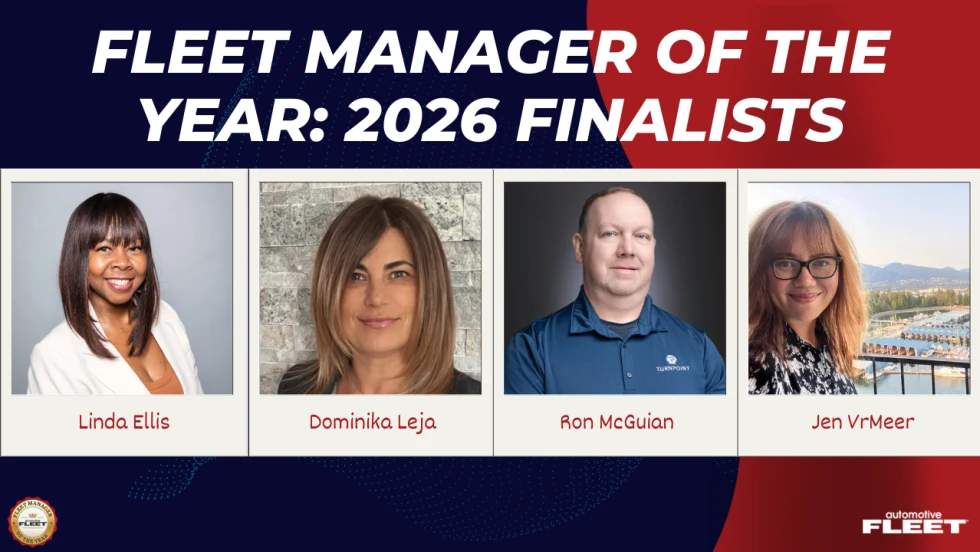
2026 Fleet Manager of the Year Finalists Announced
Who are the 2026 Fleet Manager of the Year finalists?
Read More →
John Rossant to Deliver Opening Keynote at 2026 Fleet Forward Conference
The CoMotion founder will draw on developments across Europe, China, the Middle East, and other international markets to identify trends that could influence how U.S. fleets plan for the coming decade.
Read More →
How to Build Custom Fleet Tools With AI and Vibe Coding [Webinar]
A new Automotive Fleet webinar explores how fleet managers are using AI and vibe coding to automate routine work and create simple operational tools without traditional programming skills.
Read More →