




Keep Reading: The Overlooked Fleet & Automotive Impacts of the Big Beautiful Bill
What Happens After the Pilot?
Electrification efforts need dedication in order to break through to success.
by Laolu Adeola, Leke Services
July 8, 2025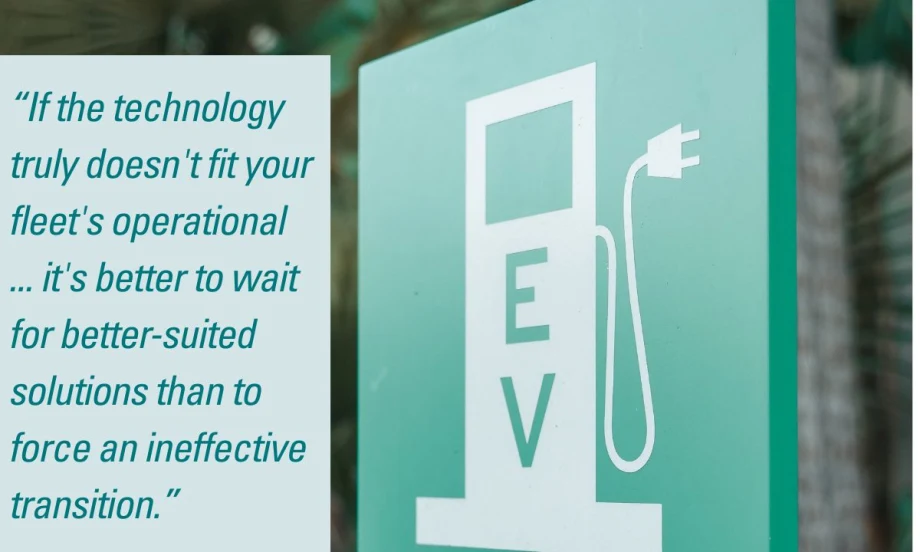
Fundamental shifts within fleet management are necessary in order to implement effective change. There are challenges, though, that pilots currently face.
Photo: Automotive Fleet
5 min to read
Why do many electrification initiatives stall after successful pilots?
There's good reason why we tout the benefits of EVs for commercial fleets—they have real potential to deliver significant cost savings and emissions reductions. Many obstacles stand in the way of realizing this potential: expensive vehicles, charging infrastructure complexities, maintenance challenges, parts availability, and more. To overcome these hurdles, industry experts have refined a reliable process for integrating this technology:
Assess your fleet and set clear goals
Build the business case with TCO and incentives
Plan for charging and operations
Pilot, learn, and scale up
Each step presents distinct challenges. Fleet assessment is time-consuming and complex, especially with shifting regulatory goalposts. Charging operations require new expertise and partnerships with vendors still navigating industry dynamics. Then comes the pilot phase and the critical question: how do you set it up for success?
Based on conversations with fleet professionals, it's clear that moving beyond the pilot phase proves exceptionally difficult, often causing electrification efforts to stall completely. A survey by Cox Automotive tells us that while 87% of fleet owners plan to add EVs within five years, and 90% of those with EVs plan to purchase more, only 14% of commercial fleets had actually incorporated EVs by 2024. This gap reveals the real challenge: transitioning from pilot success to fleet-wide implementation.
Change Management as The Missing Piece
The primary purpose of piloting EVs is validating assumptions made during planning and understanding what it takes to realize the cost and emissions benefits of adopting this technology. What's often missing is change management—understanding and implementing the operational adjustments needed to achieve these savings.
Even when changes seem straightforward, they're not. A century of optimizing fleets for combustion engines means fundamental shifts are necessary for EVs to work effectively. The key challenges that emerge after piloting include:
Infrastructure scaling complexities: Moving from a few pilot vehicles to larger deployments requires significant charging infrastructure expansion. Each location presents unique requirements for site selection, permitting, installation, and ongoing maintenance. Power and grid constraints become critical as simultaneous charging demands strain existing electrical systems, often requiring costly utility upgrades.
Asset value management: The uncertainty around EV residual values complicates return-on-investment calculations, making fleet expansion decisions challenging. High upfront costs combined with uncertain long-term value create financing hurdles that weren't apparent in pilot programs.
Operational complexity: Scaling exposes gaps in driver training, change management processes, and organizational buy-in that weren't apparent in small pilots. Managing the transition from traditional refueling to charging protocols, addressing range limitations, and ensuring driver comfort requires systematic change management.
Data Integration Challenges: Larger deployments reveal the complexity of integrating EV data streams from telematics, chargers, and fleet management systems with legacy systems not designed for EVs. This creates data gaps that prevent accurate total cost of ownership tracking and performance optimization.
Maintenance and Expertise Gaps: As fleets scale, the shortage of EV-trained technicians becomes apparent, leading to longer downtimes and higher operational risk. Current industry data shows EV fleets experiencing average downtimes of 20%, significantly impacting operations when scaled beyond pilot levels.
Regulatory Uncertainty: The regulatory push for EVs has become increasingly uncertain. California's mandate for zero-emission fleet vehicles was ultimately repealed. Federal EV tax credits face scrutiny under the new administration, with the likely elimination of EV subsidies and potentially adding extra costs. These regulatory shifts create planning uncertainty that makes long-term fleet electrification strategies more difficult to execute. Furthermore, getting the relevant permits for facility upgrades present their own challenges.
Challenge | Common Issues | Tactics | Red Flags |
Grid & Charging & Infrastructure | - Large-scale grid changes needed - 18+ month lead times - Grid capacity concerns | - Leverage 3rd party depots (e.g., Volterra, Zeem, Terawatt) - Use existing infrastructure at home charging (e.g., Bluedot, Curo, MoveEV) - On-site generation & storage | - Operational complexity of offsite charging - Permitting requirements for storage - High turnover limits home charging |
Asset Value & Financial Risk | - Residual values unstable - Battery cost improvements impact OEM pricing - Insurance coverage gaps | - EVaaS to skirt TRAC lease terms - Warranty guarantees fromOEMs (with escrow accounts) - Battery health monitoring (e.g., Bosch, TWAICE) | - Lack of production capacity for needed assets |
Operational Complexity | - Too many metrics to monitor - Incompatible with different systems - Confusing software options - Need new policies & procedures | - Work with experts to simplify & prioritize - Embed change management early - Regular SOP updates | - Irreversible operational damage - Provider capabilities don't match needs |
Parts, Repairs, & Training | - Not enough certified repair shops - More parts coverage needed - Lack of technician training | - Stock spare parts strategically - Train technicians (OEMs like Rivian offer programs) - Establish vehicle availability service level agreements with FMCs | - No reputable suppliers nearby |
Regulatory Hurdles | - Permitting takes too long - Tough to navigate utilities - Regulatory uncertainty | - Clear business goals with flexibility for mandates - Work with industry associations & experts - Exercise civic engagement | - Penalties outweigh savings - Conflicts with business priorities |
Making the Transition Work
The technology often does work for fleets, but success requires recognizing that 100 years of combustion engine optimization means some operational changes are essential. Fleet managers shouldn't try to force square pegs into round holes—but they also shouldn't abandon electrification based solely on pilot challenges.
Success depends on understanding your fleet's priorities. Early corporate adopters like Amazon and IKEA were initially driven by emissions reduction pledges. Today's landscape is different; cost is now the primary driver. You need to determine your fleet's priorities and optimize accordingly.
Look to experts familiar with the intricacies of fleet electrification to help capitalize on real value—they'll also help determine if meaningful benefits exist for your specific use case. With proper change management, infrastructure planning, and operational adjustments, the potential for 25% operational cost reductions and 40% maintenance savings can be realized at scale.
The flip side is equally important: if the technology truly doesn't fit your fleet's operational reality after thorough analysis and proper implementation support, it's better to wait for better-suited solutions than to force an ineffective transition.
Subscribe to Our Newsletter
More Vehicle Research
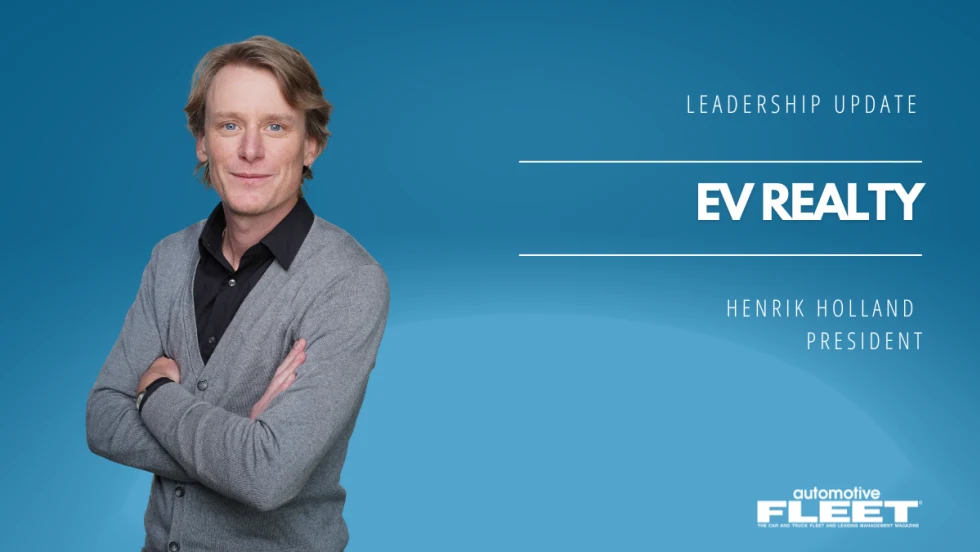
EV Realty Names Henrik Holland President as Charging Platform Expands
The former Prologis Mobility and Shell executive will help expand EV Realty’s truck charging business and move its power-first infrastructure model into autonomous vehicle depots and other fleet sectors.
Read More →
Mercedes-Benz Introduces Electric GLC With Up to 350 Miles of Range
The GLC 400 4MATIC Electric features an 800-volt architecture, 330-kW DC fast charging and a 94-kWh battery, along with Mercedes-Benz's new MB.OS operating system.
Read More →
Fleet Has a Talent Pipeline Problem, not a Talent Problem
Where will the next generation of fleet leaders come from, and what does the industry need to do differently to find them?
Read More →
Fleet Hacks: What Are You Still Doing Manually?
From daily recaps to repeatable workflows, fleet professionals share how AI can cut through busywork while keeping human judgment at the center.
Read More →
How One Fleet Manager Put a New Spin on Safety Training
Joe Lewis turned a pre-trip inspection lesson into an AI-assisted song, then four safety albums. The experiment also revealed why human oversight matters when AI enters driver training.
Read More →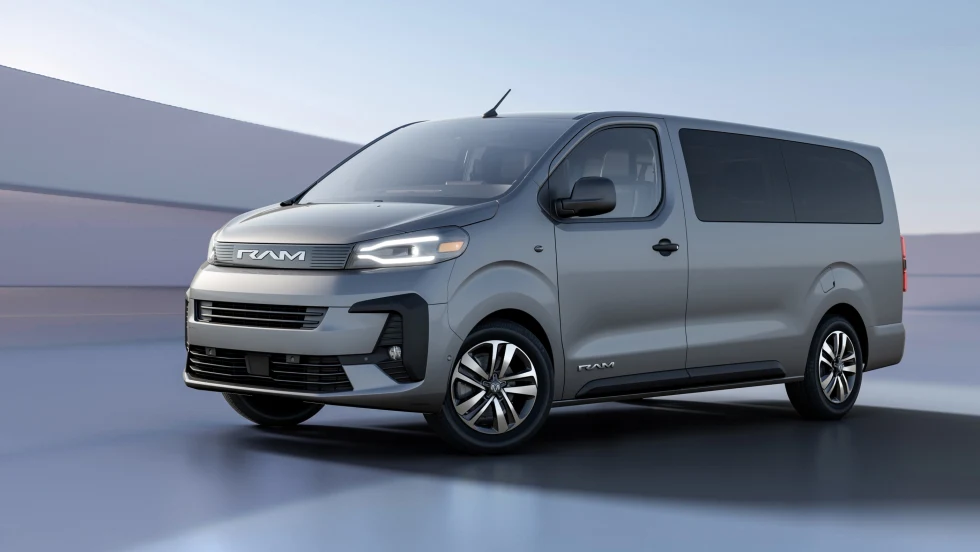
2027 Ram ProMaster City Starts Under $40K
Ram is returning to the smaller commercial van market with a new ProMaster City aimed at delivery, service, trade, and passenger applications. Starting at $39,995 with destination, the 2027 van offers up to 2,000 pounds of towing capacity, more than 2,000 pounds of payload, and multiple cargo and passenger configurations.
Read More →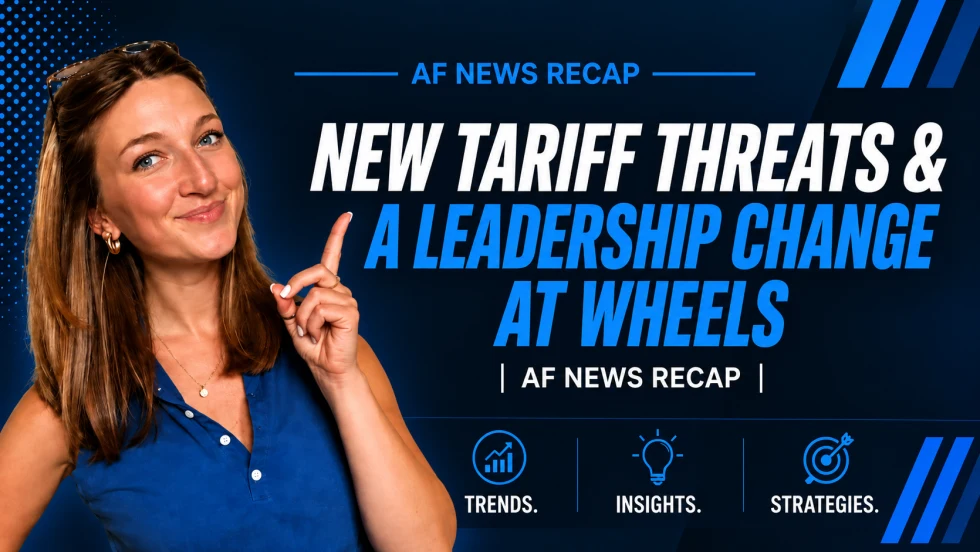
New Tariff Threats & a Leadership Change at Wheels | AF News Recap
A new tariff threat is creating more uncertainty for fleet ordering, Wheels has named a new president, and we’re asking whether certification is really worth the investment.
Read More →
Certification: What’s in It for the Fleet Manager?
From smarter fleet decisions to stronger career credibility, certification can give fleet managers knowledge they may never gain inside a single operation.
Read More →
Wheels Names Matthew Cole President
Cole brings more than 30 years of automotive and technology experience to the fleet management company, including leadership roles at Aptiv, Visteon and Johnson Controls.
Read More →
AI is changing what fleet managers can build & 849,000 vehicles recalled | AF News Recap
Fleet managers are learning how to build their own AI-powered tools, Stellantis is recalling nearly 849,000 vehicles, and this year’s Fleet Manager of the Year finalists have been revealed. Additionally, we’re examining how to identify repairs that warrant a second look. Here’s what you need to know this week.
Read More →