




What Fleet Managers Should Demand from Their Technology Partners in 2026
Even as automation dominates fleet management, integrated platforms and human intelligence matter more than standalone AI tools alone.

With artificial intelligence and adapting tech, fleet managers are in the midst of a learning curve. Informed decision-making has become a defining and valuable skill, and how to deploy those decisions effectively will only become more urgent.
Image: Automotive Fleet
The fleet management industry stands at an inflection point. As we move toward 2026, the conversation has shifted from whether to adopt advanced technologies to how to deploy them effectively. With the rise of telematics and AI-powered fleet management solutions, fleet managers are under pressure to make informed technology choices that deliver measurable business results.
Among the AI-influenced tech trends that we are anticipating for 2026 are:
Increasing attention on how, exactly, technology is improving a fleet’s performance and advancing the business’s overall objectives.
Predictive maintenance will get even better at providing actionable intelligence that saves more money and reduces downtime.
With the likes of computer vision via AI dashcams, driver safety will meaningfully evolve, saving lives and property, while also reducing insurance fees.
Data integrity will take on added importance, as the cleaner and more unified a fleet’s data is, the more business value that can be extracted from it. As the saying goes: Garbage in; garbage out.
But here's the reality check: technology alone won't solve your fleet challenges. AI excels at pattern recognition, data processing, and predictive modeling. It can't understand the nuances of your business culture. It can't grasp why a particular route matters to a key client or why a specific driver is worth investing in despite imperfect metrics. It can't recognize that the optimal solution on paper might not be the best solution in practice.
The real breakthrough happens when you combine cutting-edge tech with something that can't be automated: hard-won human expertise and strategic thinking. In 2026, human and artificial intelligence will complement each other more meaningfully, deeply, and effectively, leading to the best-managed fleets ever.
Here are five things fleet managers should demand from their technology partners in 2026.
Add Human Intelligence to AI-driven Data
Modern commercial vehicles are, essentially, data-spewing machines on wheels. Every trip generates thousands of data points: engine diagnostics, GPS coordinates, driver behavior metrics, fuel consumption patterns, brake wear indicators, and more. It's a tsunami of information that, ironically, can drown fleet managers rather than buoy them up toward actionable insights.
We've witnessed many fleet operations get befuddled by the data, overwhelmed by good-looking charts that lead to something most unattractive: more questions than answers. The plain truth? Data doesn't make decisions—people do. And people need context, not just numbers.
For example, regarding maintenance data, we've learned at our company that the most effective approach is to enhance AI-driven maintenance solutions with the real-world expertise of ASE-certified technicians.
Technicians can feed their maintenance knowledge into an AI system, training it to distinguish between diagnostic codes that require immediate attention from those that can wait until the next scheduled service. Then, these same experts can review the AI tool's recommendations, adding a crucial quality control layer.
Integrated Platforms
Remember when you had to log into multiple systems to get a complete picture of your fleet? One platform for vehicle health, another for maintenance schedules, a third for driver behavior, yet another for fuel costs, and still one more for licensing and registration. It was exhausting, inefficient, and frankly, maddening.
Thankfully, 2026 will mark the practical end of this fragmented approach. Leading fleet management companies now offer truly integrated platforms that present everything through a unified interface—eliminating the daily data scramble that wastes countless hours of productivity. This is why we like to think of this point in time not so much as the era of AI and telematics, but the era of never-before-seen levels of productivity.
But integration goes beyond consolidating logins. The best systems now extend to mobile capabilities, empowering drivers to manage their own mileage reporting, registration renewals, and maintenance tasks. This shift accomplishes two critical objectives: it lightens the administrative burden on fleet managers while simultaneously engaging drivers as active participants in fleet operations rather than passive recipients of instructions.
Think About the Future More than the Past
Historical reporting has its place in understanding what happened last quarter or last year. But in 2026, the competitive advantage belongs to fleets that can anticipate problems before they materialize.
Research shows that AI-driven telematics can predict most vehicle breakdowns, enabling fleet managers to schedule preventive maintenance at precisely the right time. This capability represents the difference between a driver stranded (perhaps unsafely) on the highway with a bad transmission and that same driver never experiencing such downtime because the issue was resolved proactively.
The most sophisticated predictive maintenance systems don't just rely on usage histories. They analyze vehicle part life cycles, recognize patterns across entire fleets, and even flag anomalies—such as vehicles or drivers operating outside established parameters. Industry projections suggest that Internet of Things (IoT) sensors integrated with fleet technology can meaningfully extend vehicle lifespans, a significant improvement that directly impacts total cost of ownership (TCO).
Think about the ripple effects: reduced downtime means more completed jobs and satisfied customers.
Lower maintenance costs improve margins. Optimal timing for vehicle cycling maximizes resale values. Enhanced driver safety and satisfaction help recruit and retain qualified personnel—a critical advantage in today's challenging labor market.
The ROI isn't theoretical. Most fleets that lean into predictive maintenance see payback in under a year through avoided roadside events, reduced rental/loaner costs, and better resale timing.
Data Protection
Here's an uncomfortable question that some fleet managers fail to ask their fleet management company partners: How are you protecting my data?
Many assume that hackers wouldn't be interested in fleet telematics data. That assumption is not only wrong but perhaps dangerously so. Bad actors don't need much to launch sophisticated phishing schemes. Basic information, such as names and addresses, provides precisely what they need to get started on their evil schemes.
As fleet management increasingly includes telematics, cloud platforms, and IoT data, vulnerabilities multiply.
The interconnected nature of modern fleet systems creates multiple entry points for cyber threats. Imagine a bad actor spoofing maintenance notifications to your drivers or using route and scheduling data to target high-value loads. These threats require investment in encryption, firewalls, and threat detection to secure vehicle and driver data.
When evaluating fleet management partners, ask pointed questions: Are you encrypting our data? How frequently are your systems reviewed for security updates? Do you conduct stress tests? How are employees trained on data management and security protocols?
Thanks to AI, cyber criminals are becoming even more creative, brazen, and, unfortunately, effective. Expect a surge in cyber threats in 2026. As such, you want a fleet management partner who will guard your data with the same vigilance as their own. Keep in mind that when it comes to a bad actor attempting to access your data, it's not so much a matter of if as of when. Remember, too, that a data breach doesn't just compromise information; it damages trust, disrupts operations, and potentially exposes your organization to significant liability.
Frame Data with Business Objectives
Perhaps the most crucial consideration when selecting a fleet management partner is whether they understand this fundamental truth: technology is not an end in itself; it's a means to support broader business objectives. In 2026, data that’s not framed within a practical business context will seem quaint at best, and useless at worst.
The best fleet management conversations don't start with specifications and features. They begin with questions: What are you ultimately trying to accomplish? Are you focused on growing revenue? Improving customer satisfaction? Managing costs? Ensuring safety? Enhancing your brand reputation?
This perspective shift changes everything. Instead of optimizing metrics in a vacuum, your technology partner should help you understand data through the lens of your company's specific objectives. In other words, your application of technology should be unique to your company.
For example, if your company's primary goal is revenue growth, a relevant question becomes: How can we minimize vehicle downtime to complete more jobs per week? If safety is paramount, how can driver behavior data help us recruit and retain qualified employees? If customer satisfaction drives your business, how can real-time tracking and predictive maintenance ensure we never miss a commitment?
Final Thoughts
Fleet management in 2026 won’t be about choosing between technology and people but rather leveraging both strategically. The winning formula combines AI-powered analytics with consultative relationships. Your fleet management partner should be able to demonstrate, with specific data-driven examples, how their approach has helped similar clients achieve measurable improvements.
A fleet technology partner should understand what keeps you up at night, which may be challenges and stresses that don’t show up in any report but are nonetheless critical to your success. For a successful 2026, find a partner who understands that behind every data point of yours is a real vehicle, a real driver, and a real business serving real customers.

Photo: Hillary Lake

Photo: Hillary Lake
More Vehicle Research
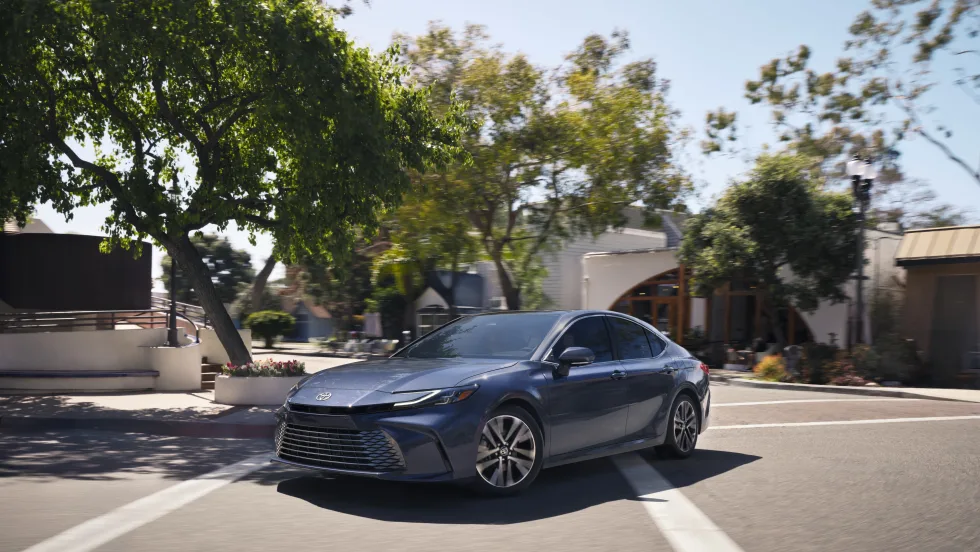
2027 Toyota Camry Offers Hybrid Powertrain Across Five Grades
The 2027 Toyota Camry is a carryover with new pricing.
Read More →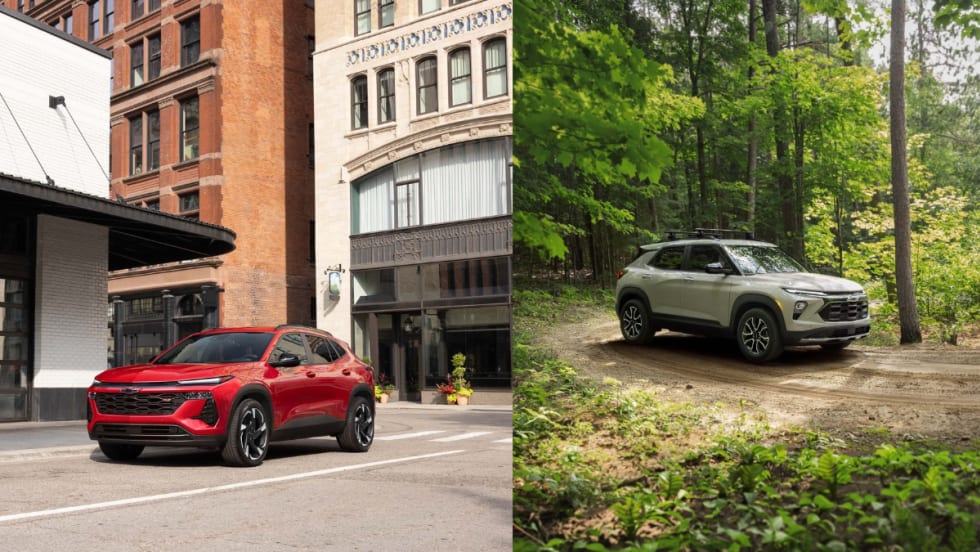
Chevrolet Updates 2027 Trax and Trailblazer with More Standard Safety Features
Chevrolet is updating two of its smallest SUVs with added driver-assistance technology, redesigned interiors, and revised trim options. The changes could add more safety equipment as standard for commercial fleets, while a new Trailblazer configuration adds another all-wheel-drive option.
Read More →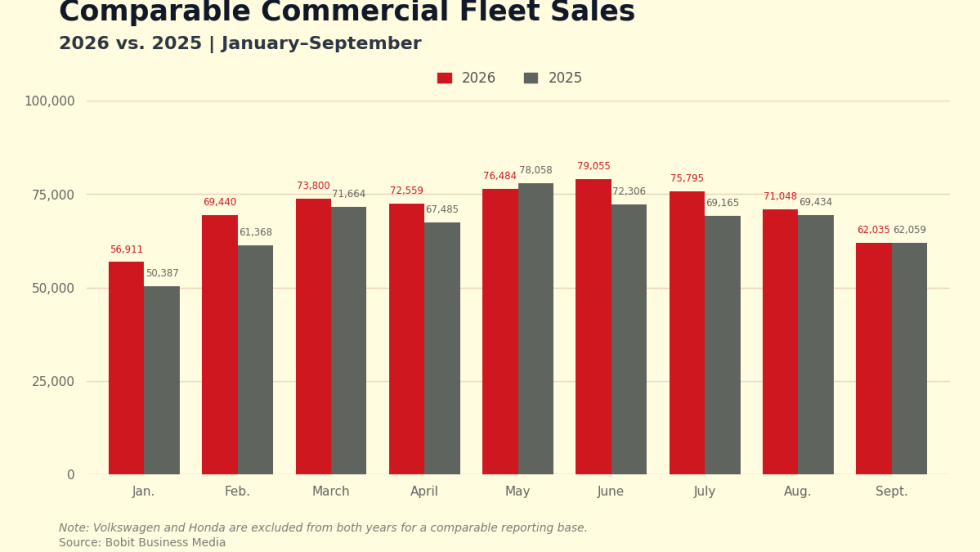
Commercial Fleet Sales Rise 5.8% Through September 2026
September commercial fleet sales were essentially unchanged from a year earlier, slowing year-to-date growth while keeping volume ahead of 2025.
Read More →
Hall of Fame Inductee: John Dmochowsky
The longtime Mondelēz International fleet executive joins the Automotive Fleet Hall of Fame.
Read More →
Hall of Fame Inductee: Lee Miller
After more than four decades at Boehringer Ingelheim, Lee Miller leaves a legacy built on fleet expertise.
Read More →
Hall of Fame Inductee: Mark F. Petersen
From managing fleets of thousands of vehicles to advancing safety and mentoring fellow professionals, Mark F. Petersen made his mark across both the corporate and supplier sides of fleet.
Read More →
When Charger Downtime Becomes a Fleet Availability Problem
As EV deployments move beyond pilot programs, charger reliability can directly affect vehicle readiness, driver productivity and route scheduling.
Read More →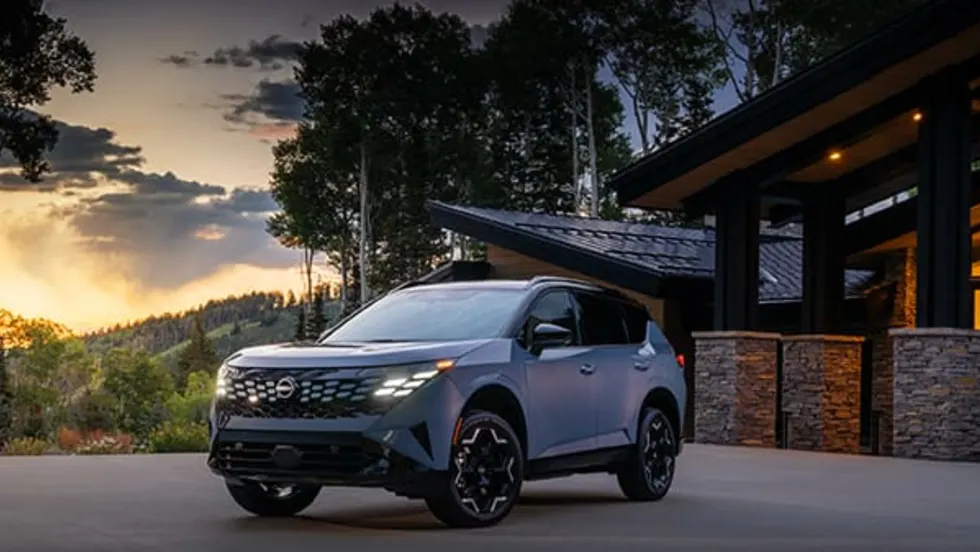
2027 Nissan Rogue Hybrid Adds e-POWER, Standard AWD
The new Rogue Hybrid uses Nissan’s e-POWER system with dual electric motors, offers an estimated 40 mpg and starts at $35,490.
Read More →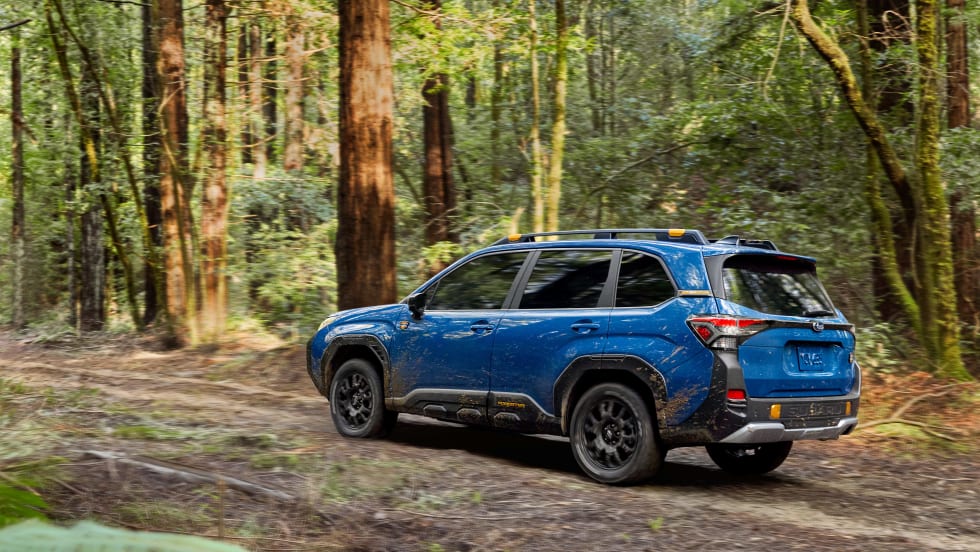
2027 Subaru Forester Adds First Wilderness Hybrid
The 2027 Forester lineup starts at $29,995 and adds a Wilderness Hybrid with 194 combined horsepower and 9.3 inches of ground clearance.
Read More →
EV Realty Names Henrik Holland President as Charging Platform Expands
The former Prologis Mobility and Shell executive will help expand EV Realty’s truck charging business and move its power-first infrastructure model into autonomous vehicle depots and other fleet sectors.
Read More →