




Did You Miss This News?
New Study Reveals Which EV Models Lose the Least Range in Winter
What are Automakers Doing to Bridge the EV Charging Gap?
Many OEMs are beginning to offer their own charging solutions in an effort to create a larger, more reliable network of charging stations that is easily accessible to their customers.

Christy Grimes・Former Senior Editor
Customer satisfaction with public DC fast charging and public Level 2 charging networks fell sharply in the third quarter of 2024, marking the largest quarterly decline in customer satisfaction since the same time in 2021.
Photo: Automotive Fleet
6 min to read
With commercial fleets charging ahead on ambitious electrification goals, is the infrastructure keeping up?
For fleet drivers who don't have at-home charging, they rely heavily on public charging for their vehicles.
According to findings from J.D. Power, customer satisfaction with public DC fast charging and public Level 2 charging networks fell sharply in the third quarter of 2024, marking the largest quarterly decline in customer satisfaction since the same time in 2021.
Automotive Fleet broke down the findings from J.D. Power and laid out what major automakers are doing to bridge the EV charging gap.
What Are Drivers Unhappy About?
Among the biggest drivers of low customer satisfaction scores were a lack of things to do at the charging stations, ease of charging, and the speed of charging.
Overall, 19% of visits to public chargers in Q3 resulted in a failed attempt to charge the vehicle. Charging success rates varied widely by provider.
Top-performing brands delivered 90% or higher success rates, while the worst-performing brands executed a successful charge between 58% and 61% of the time.
This E-Vision Intelligence Report dives into key data points trending in each monthly J.D. Power EV Index update, along with other data points gathered from J.D. Power studies and pulse surveys, to offer a data-driven consumer perspective on the public charging customer experience.
Customer satisfaction with DC fast chargers and public Level 2 EV charging fell 21 and 15 points (on a 1,000-point scale), respectively, in Q3 2024.
The overall customer satisfaction score for fast chargers was 643, the lowest level observed to date. Overall customer satisfaction with Level 2 charging was 602, the second-lowest level to date.
Many OEMs are beginning to offer their own charging solutions in an effort to create a larger, more reliable network of charging stations that is easily accessible to their customers.
What About Tesla's Supercharger Network?
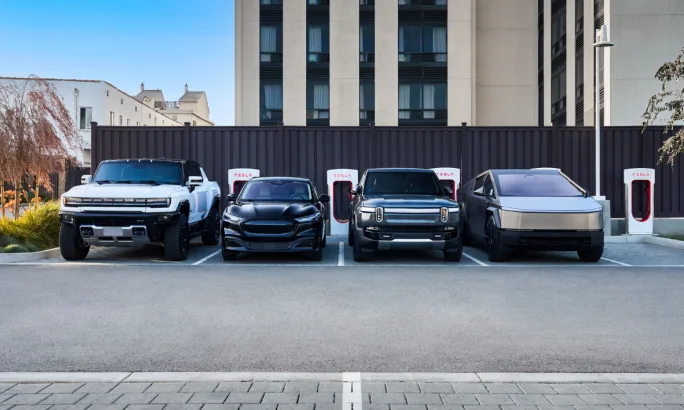
A number of automakers offer charging adapters for Tesla's Supercharger network.
Photo: Tesla
While Tesla's Supercharger network has consistently been the largest and most reliable fast charging network, the charging hubs have been saturated with non-Tesla EV users.
To combat a lack of publicly available charging stations, beginning in 2024, more than a dozen major EV manufacturers adopted Tesla's North American Charging Standard (NACS), allowing non-Tesla vehicles to use the Supercharger network with charging adapters.
That led to an overall decline in customer satisfaction with the Tesla network, J.D. Power reported. However, the declines were most pronounced among non-Tesla users. Overall customer satisfaction fell 51 points in Q3.
Although overall customer satisfaction with Supercharger stations was lower for non-Tesla owners than Tesla owners, Supercharger still outperformed non-Supercharger DC fast charging stations by 82 points among non-Tesla owners.
Automakers Join Forces to Improve EV Charging Access Through IONNA
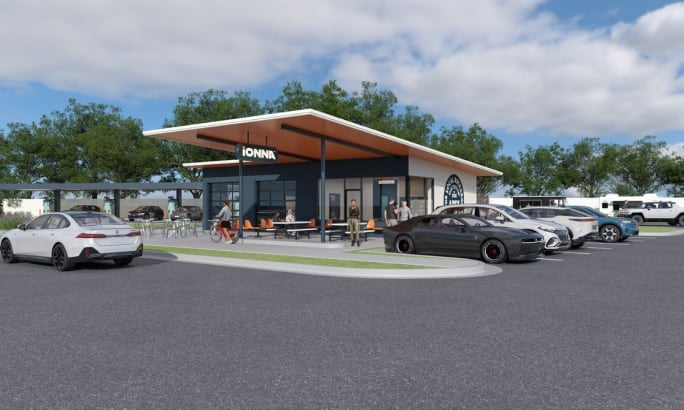
A number of beta charging stations called rechargeries are open, with more opening soon.
Photo: IONNA
In 2023, seven automakers – BMW Group, General Motors, Honda, Hyundai, Kia, Mercedes-Benz Group, and Stellantis NV – announced a joint venture called IONNA, geared toward creating a new, high-powered charging network with at least 30,000 chargers. Toyota later joined the venture.
The joint venture will leverage public and private funds to accelerate the installation of high-powered charging stations, accessible to all battery-powered electric vehicles from any automaker using Combined Charging System (CCS) or North American Charging Standard (NACS).
Currently, a number of beta charging stations called rechargeries are open, with more opening soon.
Ford BlueOval Charge Network Offers Nearly 130,000 Plugs
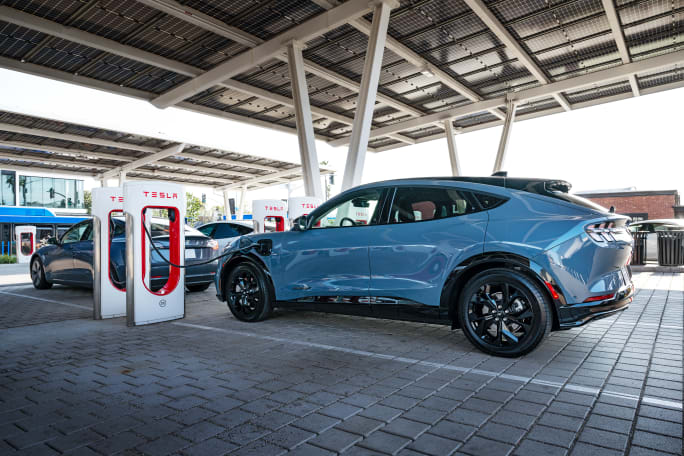
Among the chargers offered in Ford's BlueOval Charge Network are 15,000+ Tesla SuperChargers.
Photo: Ford
Ford’s BlueOval Charge Network has more than 128,000 plugs in over 35,000 locations.
That includes 15,000+ Tesla SuperChargers, which allowed Ford to more than double access to DC fast charging on the charge network at the time it was first announced.
A Fast Charging Adapter is required to charge at the Tesla SuperChargers.
Ford Pro offers a Public Charge Management solution to centralize billing for charging an unlimited number of vehicles.
General Motors Partners with Providers to Offer EV Charging
In addition to being a founding member of IONNA, GM is providing access to more than 230,000 chargers in the U.S.
Additionally, the automaker has added access to the Tesla Supercharger network.
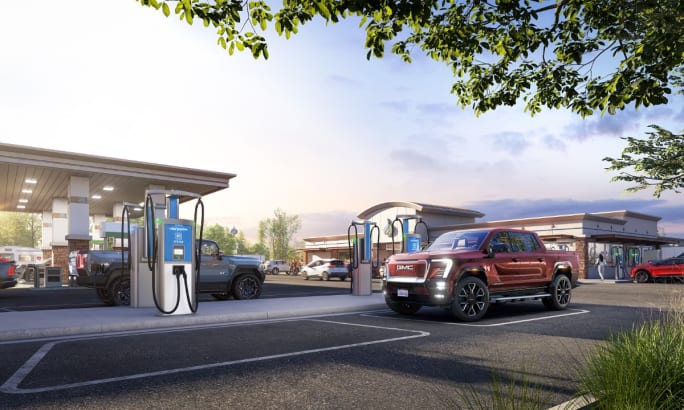
GM recently announced plans to install up to 500 charging ports at various locations, branded GM Energy, across the U.S.
Photo: General Motors
GM recently announced plans to install up to 500 charging ports at various locations across the U.S. The new locations, branded GM Energy, are expected to be open to the public before the end of this year.
Many of the new locations will be equipped with ChargePoint’s Omni Port system, which allows vehicles with Combined Charging System (CCS) or NACS charging ports to use any charger, without the need to carry an adapter or dedicate a parking space to a particular connector type.
Many of the new locations will feature ultra-fast charging through ChargePoint’s Express Plus platform, capable of charging speeds up to 500kW.
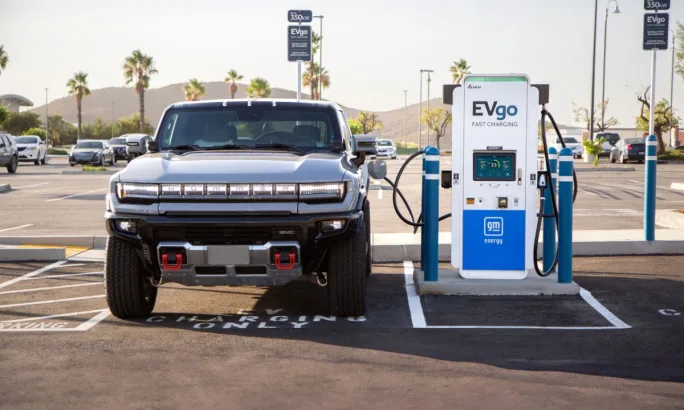
GM recently announced that it had surpassed 2,000 public fast charging stalls with Evgo at more than 390 locations in 45 metropolitan markets across 32 states.
Photo: General Motors
GM also recently announced it had surpassed 2,000 public fast charging stalls with Evgo at more than 390 locations in 45 metropolitan markets across 32 states.
Alongside Pilot Travel Centers and EVgo, GM is building 2,000 DC fast chargers at up to 500 Pilot and Flying J travel centers. It’s also leading a collaborative fast charging program with EVgo to install 2,850 DC fast chargers, including 400 fast chargers at flagship charging destinations, in major metropolitan areas across the U.S.
Mercedes-Benz Launches Charging Hubs
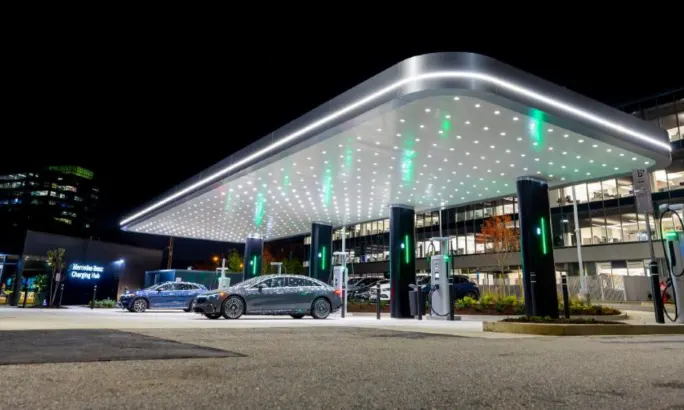
Mercedes-Benz's first Charging Hub, at its U.S. headquarters in Sandy Springs, Georgia, will be part of a larger network of EV charging stations across the U.S.
Photo: Mercedes-Benz
In late 2023, Mercedes-Benz announced it was launching its first Charging Hub at its U.S. headquarters in Sandy Springs, Georgia, which will be part of a larger network of EV charging stations across the U.S.
It kickstarted the automaker’s effort to build what it hopes will be North America’s fastest EV charging network by the end of the decade.
Mercedes-Benz is also a founding member of IONNA.
NISSAN ENERGY Charge Network Provides Over 100,000 Chargers for ARIYA Drivers
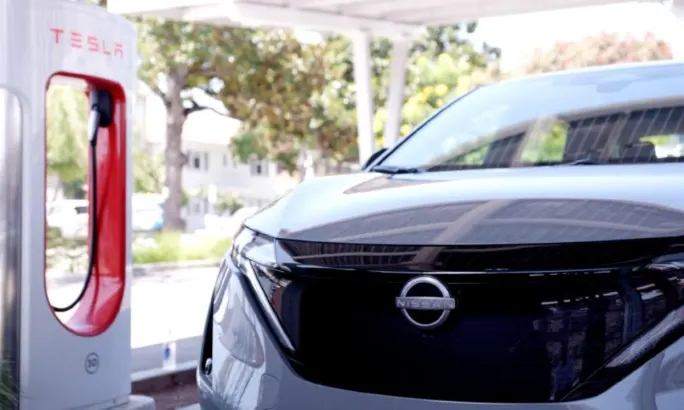
NISSAN ENERGY's Charge Network provides Ariya and future Nissan EV drivers access to thousands of chargers, including many Tesla Superchargers.
Photo: Nissan
In October 2024, Nissan announced the launch of its NISSAN ENERGY Charge Network, which allows Ariya and future Nissan EV drivers to use their MyNISSAN app to find charging stations, see real-time charger availability, and pay for charging.
The NISSAN ENERGY Charge Network encompasses more than 100,000 in-network chargers in the U.S. Charging partners include Electrify America and Tesla. The automaker announced Ariya drivers would gain access to nearly 18,000 Tesla Superchargers in its charge network in late 2024.
To access the Tesla Supercharger stations, owners must purchase a Nissan-provided North American Charging Standard adapter kit.
A total of 25,000 chargers are also available to Nissan Ariya owners in Canada.
What's the Latest with the NEVI Program?
To address the public charging gap, the U.S. Department of Transportation introduced the National Electric Vehicle Infrastructure (NEVI) program, which provides funding to states to strategically deploy EV charging stations, and to establish an interconnected network to facilitate data collection, access, and reliability.
Two variables that will heavily influence the future of that program is the strategic location of the chargers and the provider selected, J.D. Power analysts noted.
According to the Joint Office of Energy and Transportation's most recent quarterly update, there are currently 126 public charging ports in operation across 31 NEVI stations in nine states, resulting in an 83% increase in open NEVI ports since last quarter.
A total of 41 states have released at least their first round of solicitations. Of these states, 35 have issued conditional awards or put agreements in place for over 3,560 fast charging ports across more than 890 charging station locations.
While the future of the NEVI program is in the air with the next administration, automakers are continuing to make investments and plans to expand easy access to EV chargers.
Subscribe to Our Newsletter
More Green Fleet
Sponsored•October 1, 2026
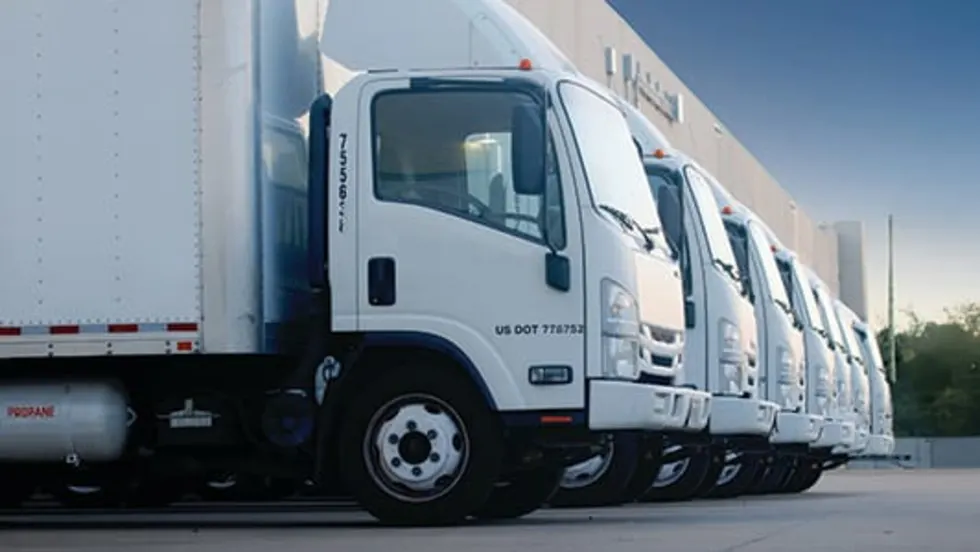
New Propane Autogas Program Offers Fleet Compensation
Qualified commercial fleets can receive $7,500 per eligible propane autogas vehicle and up to $10,000 for new refueling site prep. Learn how the program works and see whether your fleet qualifies.
Read More →
EV Charging Use Is Outpacing Infrastructure Growth
ChargePoint’s 2026 Charging Forward Report points to rising charger use, higher-powered charging, commercial vehicle electrification, and energy-management technology. Here’s what fleets should know.
Read More →
Merchants Fleet Reports 290M EV Miles as Fleets Navigate Changing Electrification Market
From millions in operating savings to hundreds of millions of EV miles, Merchants Fleet’s latest report reveals what’s working and what’s changing in fleet electrification.
Read More →
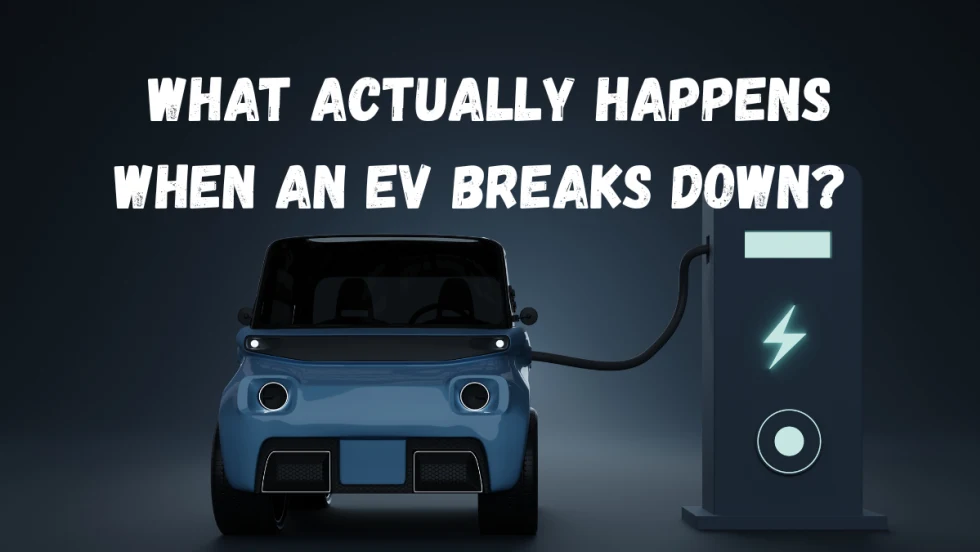
The EV Breakdown Nobody's Talking About: Why Most Electric Vehicle Roadside Calls Aren't Mechanical Failures
Here's why EV breakdowns are widely misunderstood.
Read More →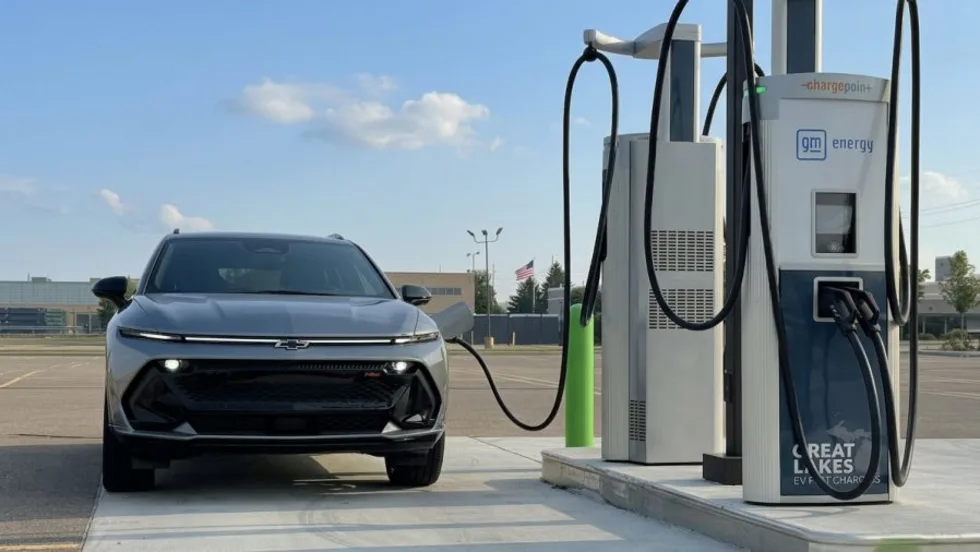
ChargePoint Now Available in Energy Pass
ChargePoint and additional planned charging network integrations were added to GM's Energy Pass.
Read More →
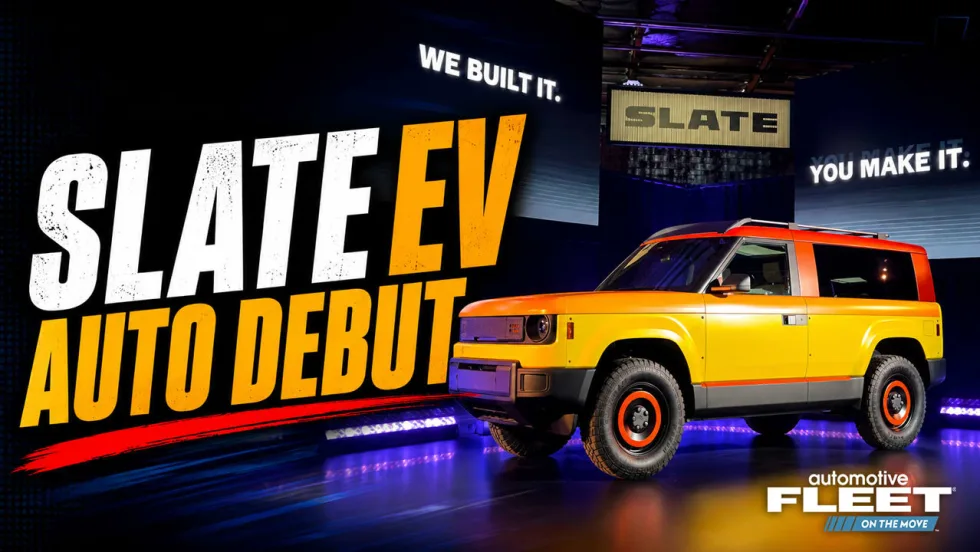
First Look: Slate Auto's Electric Fleet Pickup
Could an affordable, modular EV pickup make electrification more practical for fleets?
Read More →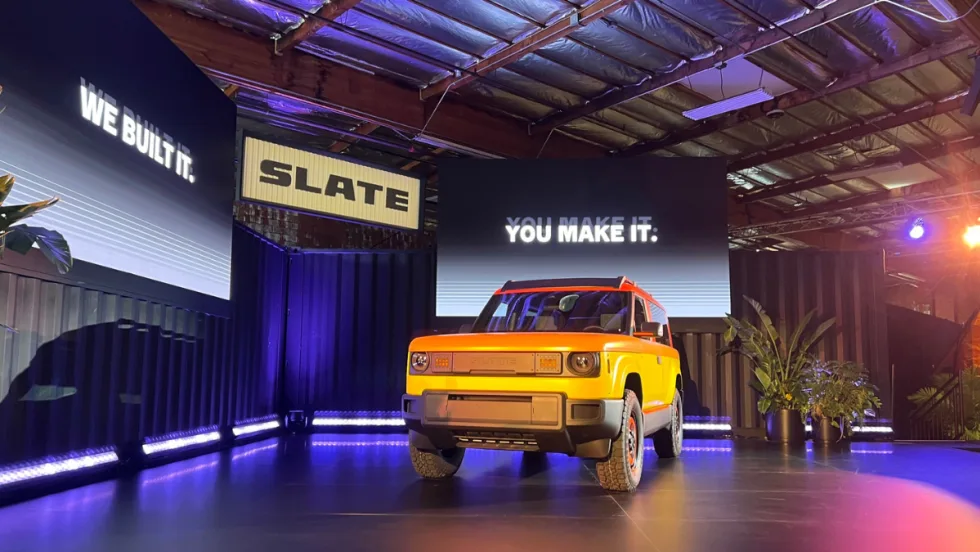
Slate Debuts Colorful, Unique EV Models
A recent media and client event, studded with electric vehicles dressed up on platforms, planted a new position for the manufacturer in the wider EV market. Fleets will find cost-saving advantages.
Read More →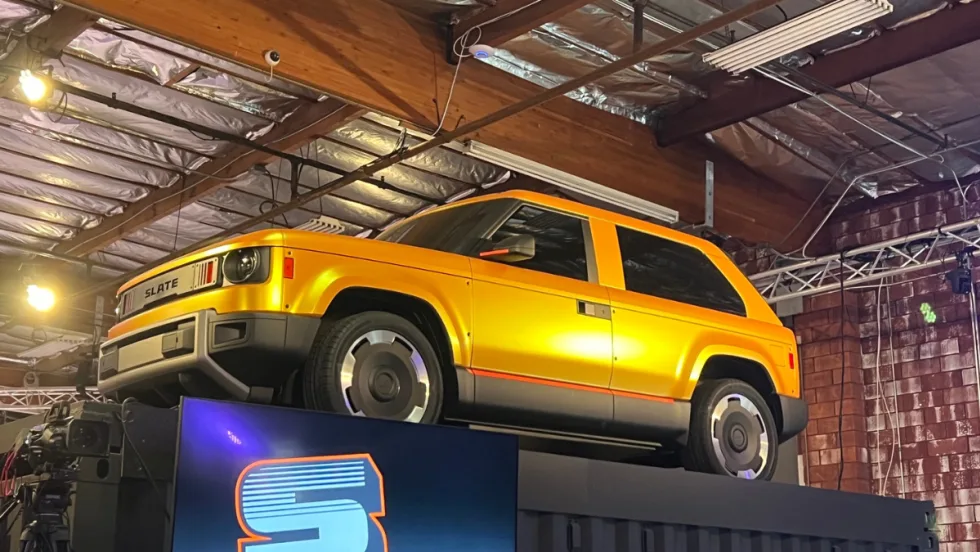
Slate Electric SUV, Pickup Switchable Model Aims For Light-Duty Fleets
Everything about this EV is counterintuitive and understated, making it stand out from the crowd.
Read More →
Inspiration Mobility Acquires Key Electrada Assets
Inspiration Mobility Group has acquired select assets of Electrada, adding the fleet electrification provider's team, technology, and charging infrastructure development capabilities to its energy management business.
Read More →