




Volvo Sale to Geely: Assessing the Impact on Fleet
Following its sale, Volvo Cars will remain an independently run company. All U.S.-bound Volvos will continue to be built in Europe to maintain current order-to-delivery times. The promise is to retain Volvo’s “Swedish heart.”

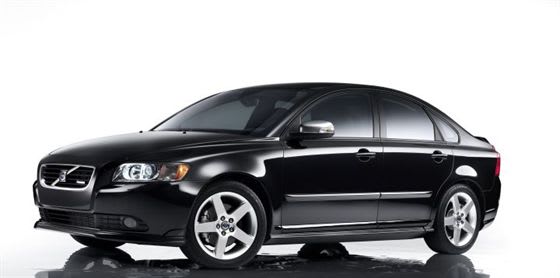
On March 29, Ford Motor Co. entered into a definitive agreement to sell Volvo Car Corporation and related assets to Zhejiang Geely Holding Group Company Limited. The sale is expected to close in the third quarter of 2010. The purchase price for Volvo Cars and related assets is $1.8 billion (U.S.).
Ford will continue to cooperate with Volvo Cars in several areas after the sale has been completed to ensure a smooth transition, but will not retain any ownership in the Volvo Cars business.
Following completion of the sale, Ford will continue to supply Volvo Cars with, for differing periods, powertrains, stamping, and other vehicle components.
"Zhejiang Geely would like to pay tribute to Ford's stewardship of the Volvo brand, and we look forward to continued cooperation as Volvo embarks on the next stage of its evolution with Geely," said Li Shufu, chairman of Zhejiang Geely Holding Group Company Limited.
Stephen Odell, CEO of Volvo Cars, added, "Geely has been very supportive of Volvo Cars' business plans and management team. We look forward to building a strong relationship between Volvo Cars and Geely, and to maintaining a strong relationship with Ford in those areas where we will continue to work together to ensure a smooth transition."
To learn more about how the sale of Volvo to Geely will affect fleet sales, Fleet Financials magazine interviewed Scott Doering, manager, commercial sales for Volvo Cars of North America, Inc. The following are excerpts from the interview.
FF: What has been the reaction of your fleet customers to the announcement Volvo has been sold to Geely Automobile Holdings Ltd.?
DOERING: Our fleet customers asked a lot of questions, and I think they're comfortable with the answers we've provided. Most importantly, we've made it clear that Volvo's headquarters, design, engineering, and manufacturing will remain in Scandinavia. Volvo will retain its "Swedish heart," if you will.
FF: Will your new ownership result in any changes in how Volvo goes to market in the commercial fleet marketplace?
DOERING: No, we don't expect any changes in how we go to market. Mr. Li [Geely's chairman] has been very clear that Volvo Cars will remain an independently run company. As such, Volvo Cars of North America is expected to operate similarly to the way it has. All U.S.-bound Volvos will continue to be made in plants in Sweden and Belgium, ensuring we maintain our quality levels and short lead times from order to dealer delivery. It is essentially the same type of independent structure we have enjoyed under Ford's ownership.
[PAGEBREAK]
FF: What impact, if any, has this announcement had on future residual values as projected by companies such as ALG?
DOERING: We are not expecting the sale to have any influence on our residual values. The guidebooks typically use current auction values as a basis for their used valuations and, over the last three years, Volvo has made a commitment to focus on the critical influencers of residual value. The number of used Volvos coming back to the marketplace is projected to drop in the next 3-5 years. Combined with a strengthening economy and stronger demand, we expect used-car values to improve.
FF: Will Volvo's new ownership influence your future fleet incentive programs?
DOERING: We are not expecting new ownership to have any impact in how we bring our vehicles to market. The North American market will continue to have autonomy and separate profit and loss responsibility, just as we do today. Our management team is committed to commercial fleet sales, and it understands the importance of maintaining strong relationships and ensuring business continuity.
FF: By no longer being able to take advantage of Ford's wide-ranging fleet sales network, do you anticipate a need to expand Volvo's fleet sales force?
DOERING: This is our biggest challenge. It will be hard to compensate for the exposure we gained through being part of Ford's overall fleet offer. They have a very professional fleet organization and have been very supportive of our brand. Now, we'll be tested to find a similar amount of exposure for our brand, given our resources. One of the biggest challenges for a company of our size is just getting on a customer's consideration list. The use of social media provides a great way for us to reach the fleet community and facilitate discussion of our vehicles and a customer's needs. Volvo also has a strong fleet presence in other markets and maybe there's an opportunity to leverage Volvo's international fleet contacts to increase volume in North America.
FF: What do you see as the advantages of being owned by Geely in terms of commercial fleet sales in the U.S.?
DOERING: It's too early to try and answer that question because we're still owned by Ford until the sale is approved by various government entities in the United States and China. The sale is expected to be finalized in the third quarter of this year.
FF: Are there any additional comments or observations you would like to make?
DOERING: Our history as a major fleet provider goes back more than 10 years. Fleet customers — old and new — recognize we have a lineup that offers value, reliability, and safety in beautiful packages. Commercial fleet business is integral to our overall success, and it will continue to be going forward. In fact, the launch of the all-new S60 sport sedan this fall will definitely be a part of that success.
More Operations
Here's When You Should Make an Exception to Fleet Policy
Fleet policies are designed to create consistency, but not every driver or situation fits neatly within standard rules.
Read More →
AI-Native or AI-Acquired: What Should Fleet Managers Look for in an AI Platform?
Six questions can help fleet managers look beyond AI marketing claims to evaluate integration, data access, and real-world operational performance.
Read More →
A buyer's guide to fleet management software in 2027
Buying fleet management software in 2027 means looking beyond features and price. As fleet operations, technology and expectations evolve, this guide explores what today’s fleet professionals should consider when choosing a system that can deliver value now and adapt to what comes next.
Read More →

What Will Shape the Next Era of Fleet Management?
EVs, AI, and autonomous vehicles are reshaping fleet management. Discover what’s ahead—and how fleet leaders can prepare for the next era.
Read More →
How Fleets Can Recruit and Train Veterans for Technician Roles
Here's how the technician shortage has affected uptime for fleets, and what to do about it.
Read More →
Avis Budget Group Deploys Neology Toll Management Technology Across Major Brands
Neology’s neoFleet platform will manage toll transactions and toll-authority operations for vehicles across Avis, Budget, Payless, Budget Truck and Zipcar.
Read More →
Fleet Personal-Use Charges Edge Higher in 2026
Nearly eight in 10 surveyed fleets allow personal use of company vehicles, while just over half of respondents report charging employees for the privilege.
Read More →
The Future of Fleet + What’s Changing Right Now | AF News Recap
Could developments overseas offer a preview of what’s coming for U.S. fleets? This week, we’re looking at the future of AI, autonomy, and electrification, plus Ford Pro’s new certified pre-owned program, smarter vehicle offboarding, and a new way for fleets to manage toll expenses.
Read More →
How to Handle Vehicle Offboarding
What do fleet managers need to do when a driver leaves?
Read More →
Fleet Manager’s Ultimate Playbook: Navigating the New Standard in OEM Connectivity
Rising operating costs, driver safety concerns, and unplanned downtime are putting unprecedented pressure on modern fleets. Discover how fleet managers use embedded OEM connectivity and real-time vehicle data to cut TCO, prevent downtime, and protect drivers without aftermarket telematics hardware.
Read More →