




Volvo Introduces All-New S80 Sedan
The 2009 S80 luxury sedan offers safety, style, and performance.

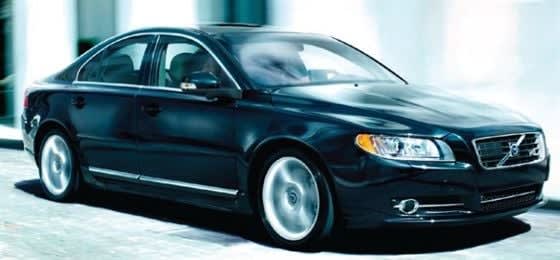
Originally launched in 1998, Volvo has introduced the 2009 S80 sedan that showcases safety, style, and performance.
The 2009 model is available with three engine options: 3.2L compact FWD, 3.0L Turbo 6 AWD, and 4.4L V-8 AWD. All engines are mated to a 6-speed Geartronic automatic transmission. The S80 comes equipped with:
■ 17-inch alloy wheels.
■ Auto-dimming inside rearview mirror with compass.
■ Bluetooth capability.
■ Dual-zone electronic climate control with pollen filter.
■ High performance audio system with in-dash 6-CD changer and MP3 compatible.
■ HD radio technology and Sirius satellite radio.
■ Intelligent Driver Information System.
■ Power-glass moonroof.
■ Tire pressure monitoring system (TPMS).
■ Remote keyless entry.
Maintaining a Tradition of Safety
With numerous safety awards, Volvo continues to develop advanced safety features from the interior to the exterior.
Dynamic Stability and Traction Control (DSTC) enhances driving stability in slippery conditions. When necessary, DSTC eliminates engine power or applies brakes to individual wheels to reduce skidding. This standard feature can be preset to adjust traction in snowy conditions.
Optional is the Adaptive Cruise Control (ACC) with collision warning and brake support. Activated at speeds over 18 mph while in traffic, ACC sets a minimum time gap to the next vehicle in front. When the radar sensor detects a slower vehicle ahead, the speed automatically adapts to that vehicle. If ACC is disengaged and a vehicle is too close, Distance Alert activates a red warning light in the lower section of the windshield to help the driver keep a safe distance between vehicles.
The collision warning system is designed to sense an impending collision and alert the driver with a flashing red warning light on the windshield and an audible alarm. Swift brake response is enhanced by pre-charging the brakes and preparing for panic brake application.
The Blind Spot Information System (BLIS) is another advanced optional safety feature. Rear-facing digital cameras installed in door side-mirrors monitor traffic on either side of the car. As another vehicle enters the driver's blind spot, the system sounds an alert with a discreet lamp built in the front door post on the side of the approaching car. Drivers can quickly assess the feasibility of a safe lane change. The system works in daylight and nighttime settings and is activated once the car exceeds six mph.
Styling Above the Norm
The four-door sedan offers ergonomically designed seats with power front seating for both driver and passenger, slip-folding rear seats, flat-folding front passenger seat, and electric folding rear head restraints.
With 10 exterior colors to choose from and two interior color choices, the S80 sports a sleek look.
Looking Out for the Environment
Volvo also incorporated environmentally friendly materials in the new S80. Öko-Tex Standard 100-certified textiles and leathers are tested for certain allergy- inducing or harmful substances.
For further driver comfort, a cabin air filter ensures that dust, exhaust particles, and pollen do not enter the cabin through the ventilation system.
More Operations

Fleet Has a Talent Pipeline Problem. What Comes Next? | AF News Recap
Where will fleet’s next generation of leaders come from? This week, we’re looking at the industry’s talent pipeline, what certification can add to a fleet career, how to build an award-worthy track record, and the return of Automotive Fleet’s Personal Use Survey.
Read More →
Smith System Launches Driver Risk Management Program
Fleets have more driver data than ever, but identifying risky behavior doesn't necessarily correct it. Smith System's new Driver Risk Management program combines monitoring, training, and follow-up coaching to help fleets connect risk signals with driver intervention.
Read More →
Automotive Fleet Opens 2026 Personal Use Survey for Commercial Fleet Managers
Less than two weeks left! Commercial and corporate fleet managers are invited to share how their organizations handle company vehicle personal-use policies, charges, and driver eligibility.
Read More →
From AI Prompts to AI-Generated Safety Songs | AF News Recap
Can better prompts make AI more useful for fleet managers? This week, we’re breaking down smarter fleet analysis, an AI-assisted experiment that turned safety training into music, and what happened to fuel prices in August.
Read More →
How to Write Better AI Prompts for Fleet Analysis
Include these six elements in your fleet prompts to generate more relevant analysis and accurate answers.
Read More →
Fleet Meets: Eric Kilgore
This edition of the Fleet Meets series features one of the industry's best leaders driving multi-market and national operations.
Read More →
Why Reactive Fleet Management Is Becoming Too Expensive to Sustain
Research highlights a growing need for proactive management strategies to address rising costs in fleet operations effectively.
Read More →
What Your Fleet KPIs Aren’t Telling You
Tracking fleet metrics is only useful when the data leads to better decisions. This guide helps fleet leaders assess cost, utilization, and downtime more accurately, identify performance gaps, and prioritize the actions that can improve operational results.
Read More →
Hidden in Plain Sight: Fleet Compliance Risks
Fleet compliance isn't just about having policies — it's about consistently enforcing them. This practical guide reveals six hidden compliance risks common in public sector and shared fleet operations and outlines proven strategies to improve visibility, accountability, and audit readiness
Read More →
Turning Fleet Payment Data into Executive Insights
Does data alone drive results in operations?
Read More →