




Van Pools Increase In Popularity
As van conversions increase in popularity, replacing the large station wagons of the recent past, a new application for vans is emerging. Van pools are being seriously considered as an alternate form of commuter transportation as larger cars become a thing of the past and energy conservation becomes the thing of the future.
As van conversions increase in popularity, replacing the large station wagons of the recent past, a new application for vans is emerging. Van pools are being seriously considered as an alternate form of commuter transportation as larger cars become a thing of the past and energy conservation becomes the thing of the future.
National Coach, as well as National Car Rental, are becoming involved in this area, although the firms are taking independent paths In this field. Currently, National Coach has completed 10 of 25 van conversions for Commuter Computer, a Los Angeles-based commuter service backed by Commuter Transportation Services, Inc., the Crocker National Bank and the Atlantic Richfield Co.
National Car Rental is offering a "turnkey" passenger-van leasing program for van pools. The Minneapolis-based firm leases the vehicle and provides optional maintenance and insurance plans.
The reasons for "pooling it" are varied, from energy conservation to better employee attendance and morale. In addition, van pooling provides low cost transportation to riders according to National Car Rental indicating that nine paying passengers per day would only spend slightly more than one dollar each per day. The coast not only includes the cost of leasing the van, but also gas and the insurance and full maintenance package, with the driver riding free.
Many commuters, freed from having to drive themselves, use the extra time of the van pool ride to catch up on sleep, work from the office or to celebrate birthdays of fellow commuters.
Many of the vans, including those converted by National Coach, feature airline-style seats for individual comfort. In addition, the vans may be equipped with AM/FM stereos with individual headsets for each passenger, air conditioning and individual reading lights. These options sound expensive, but since the actual cost is split between eight or nine persons, the actual increase in cost per day for the luxuries may be under 20 cents per commuter.
The advantages of being a van pool leader include not only free transportation to and from work each day, but also use of the vehicle during off times, evening and weekends at a nominal mileage cost. Commuters may pay for the van pool service through either payroll deduction if the program is run by their employer or through monthly bills from the lessor of the van, such as the Crocker Bank in the case of Commuters Computer.
Commuter Computer uses computer technology to select the van pool members by geographic location and destination. The Crocker Bank handles all leasing, maintenance, repair and fuel expenses. Insurance for the Los Angeles program was obtained through Transit Casualty Co. and covers general liability, Physical damage, fire, theft and collision. The Commuter Computer program works out to a monthly cost of $415 per month for a 40-mile round-trip each working day, or about $52 per month for each of the eight passengers, with the driver riding free. Of that $415, $345 are fixed costs including the $10,282 van purchase price which over a 48-month lease period at 7.25-percent interest amounts to $192 per month. Insurance is $108 per month, fleet administration is six dollars per month and administration cost for the pool program is $25 per month.
The balance of the total cost, $70, is variable costs including fuel at five cents per mile and minor maintenance, tires, brakes, batteries and miscellaneous expenses totaling three cents per mile.
If the van pool programs in existence prove to be as economical as the preliminary data indicates, more and more commuters may abandon the traditional one car, one person commuter trip and "pool it."
VANS: Shedding Utility Image To Become Market Leader
As the trend toward using vans for personal transportation continues, more vans will be equipped and styled like passenger cars. This will be a radical departure in the concept of the van, which was originally intended for use as a utility vehicle.
In the next model year, Dodge and Plymouth will be stretching their 15-passenger vans by eight inches and the vehicles will have 15-percent more window area. Ford will also have a 15-passenger model, adding 20 inches to its largest model of a year ago. General Motors is restyling the front ends of its Chevrolet and GMC vans and will also provide an improved heating and air conditioning system on the units. The vans will feature rectangular headlamps and glove boxes will be offered on the Chevrolet models.
All the major manufacturers will be redesigning instrument panels to make them look more like the panels on cars.
With last years' sales at 139,000 units, vans are expected to break all records during 1978 with sales topping 178,000 units. It's no surprise that Toyota and Datsun are testing van prototypes for use in the U.S. market. These models will have engines in the front and rear-wheel drive.
A front-wheel-drive van at GM may be a reality when the automaker switches to front-wheel drive for its compacts and personal luxury cars in 1979.
One option available on 1978 model vans that may someday filter back to passenger cars is Ford's dual displacement on its 300-cubic-inch, six-cylinder engine. Costing between $100 and $150, the device allows the engine to run on three to six cylinders, depending on need. It is estimated by Ford that the device can increase mileage from 10 to 15-percent. The engine operates on three cylinders when idling or decelerating and will cruise on four or five cylinders depending on speed and road conditions.
The device works through electronic control of the valves, shutting off the cylinders when not needed. Since the cylinders are shut off at the valves, carburetion isn't affected, allowing the use of different fuel systems such as fuel injection. Ford says the system will last as long as the engine and predicts that the system will pay for itself in the first year if the vehicle is driven 1 5,000 miles. The device will be particularly beneficial to those driving in stop-and-go city traffic where fuel is wasted by idling and frequent starts and stops.
The introduction of this option, as well as the strong sales of vans in general, indicate that the van will become a market leader, rather than follower, in the next decade.
More Operations

Fleet Has a Talent Pipeline Problem. What Comes Next? | AF News Recap
Where will fleet’s next generation of leaders come from? This week, we’re looking at the industry’s talent pipeline, what certification can add to a fleet career, how to build an award-worthy track record, and the return of Automotive Fleet’s Personal Use Survey.
Read More →
Smith System Launches Driver Risk Management Program
Fleets have more driver data than ever, but identifying risky behavior doesn't necessarily correct it. Smith System's new Driver Risk Management program combines monitoring, training, and follow-up coaching to help fleets connect risk signals with driver intervention.
Read More →
Automotive Fleet Opens 2026 Personal Use Survey for Commercial Fleet Managers
Less than two weeks left! Commercial and corporate fleet managers are invited to share how their organizations handle company vehicle personal-use policies, charges, and driver eligibility.
Read More →
From AI Prompts to AI-Generated Safety Songs | AF News Recap
Can better prompts make AI more useful for fleet managers? This week, we’re breaking down smarter fleet analysis, an AI-assisted experiment that turned safety training into music, and what happened to fuel prices in August.
Read More →
How to Write Better AI Prompts for Fleet Analysis
Include these six elements in your fleet prompts to generate more relevant analysis and accurate answers.
Read More →
Fleet Meets: Eric Kilgore
This edition of the Fleet Meets series features one of the industry's best leaders driving multi-market and national operations.
Read More →
Why Reactive Fleet Management Is Becoming Too Expensive to Sustain
Research highlights a growing need for proactive management strategies to address rising costs in fleet operations effectively.
Read More →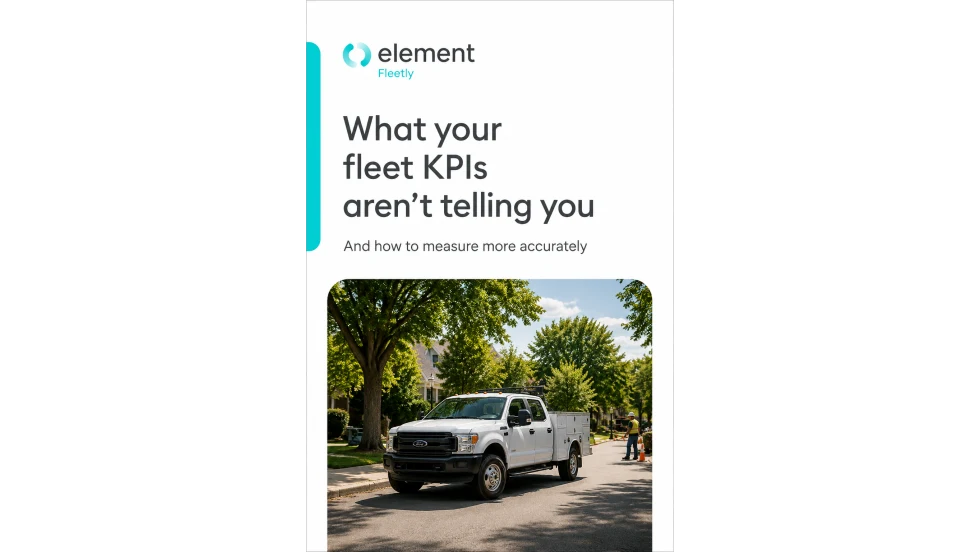
What Your Fleet KPIs Aren’t Telling You
Tracking fleet metrics is only useful when the data leads to better decisions. This guide helps fleet leaders assess cost, utilization, and downtime more accurately, identify performance gaps, and prioritize the actions that can improve operational results.
Read More →
Hidden in Plain Sight: Fleet Compliance Risks
Fleet compliance isn't just about having policies — it's about consistently enforcing them. This practical guide reveals six hidden compliance risks common in public sector and shared fleet operations and outlines proven strategies to improve visibility, accountability, and audit readiness
Read More →
Turning Fleet Payment Data into Executive Insights
Does data alone drive results in operations?
Read More →