




Using Sharing Tech to Reduce Fleet Budgets
New forms of sharing technology allow fleet operators — from corporate and rental fleets to motor pools — to increase utilization and recoup costs.


While dividing car payments by business and personal use isn’t new, sharing technology makes it easier to track payments and expand the pool of users.
Photo via Pixabay/mohamed_hassan.
The coronavirus pandemic is making organizations think twice — or creatively — about budget-stretching initiatives such as fleeting electric vehicles.
“Corporate fleets may want to incorporate electric vehicles into their cycle, but the higher lease payments may be a challenge, especially during COVID-19,” says Sam Baker, president and cofounder of Wunder Mobility, a global mobility technology company.
Technology is allowing organizations to recoup some of the cost of fleet vehicles by sharing the car and the payment with employees for personal use. While dividing car payments by business and personal use isn’t new, sharing technology makes it easier to track payments and expand the pool of users, as well as when and where the vehicles are being used.
The usage can be viewed more like a rental or carsharing, with billing to an app or individual credit cards for personal trips for a night, weekend, or hourly. Using IoT-installed hardware, vehicles are accessed and started via an app, replacing physical keys.
Baker says that existing deployments of his company’s Wunder Rent platform in European fleets are showing as much as a 50% cut in fleet costs per vehicle. “Instead of paying 500 euros per month for the those EVs, now they're getting a 260-euro subsidy back from their employees,” he says.
These new platforms aren’t limited to electric vehicles, but EVs are a natural fit for many use cases, and end users have a higher motivation to drive and thus pay for the premiums over ICE vehicles, says Baker.
The scenario is ideal for traditional motor pools, which in corporate fleets are more common in Europe because of lower private car ownership, or in urban areas. In the U.S., motor pools are a staple of public sector city, municipal, and state fleets, though the manual process is typically inefficient.
“Typically, we're digitalizing pool cars that have been traditionally shared through an employee managing the keys,” he says. “In this scenario the utilization is often 25% at best, without night and weekend use. (Organizations are) paying for a car that’s only being used part time.”
Could the sharing technology work in other ways such as the traditional vehicle-assigned driver model? The company car perk, still a part of the sales fleet landscape, is slowly changing as organizations see opportunities for greater utilization and lower costs.
“Taking away the dedicated company car for use of a pool car is a touchy topic,” Baker says. “But I think it’s on the horizon.”
Nonetheless, the change fits in with the larger evolution of Mobility-as-a-Service, in which employees, particularly in urban areas, may not want or need a car. Instead, they’re given a budget to use a range of transportation options that fit the travel need.
Expanding Fleet Types
New sharing technology is not just applicable to corporate or government motor pool fleets. Auto OEMs, dealerships, and rental companies can go digital with various types of sharing programs coming online.
Baker references discussions with airport-based car rental companies that still generate most of their demand from OTAs (online travel agencies) such as Expedia and Priceline.
With tech-enabled rental cars, a reservation made for a particular brand through an OTA enters the Wunder Rent platform. On the day of the reservation, the customer is emailed the pickup details with an option to skip the rental counter line if an app is downloaded. The app becomes a digital key.
“I guarantee 80% of the millennials that get that email are going to download that app, because they know the consequence of not downloading it is a 45-minute wait in line at the rental car agency,” Baker says.
Baker recognizes that the multinational car rental brands’ loyalty programs offer counter bypass and fast check lanes, so why offer enhanced service to everyone? He references one such conversation with a European airport-based operator: “He told me, ‘I'm spending a lot on human capital for my employees to stand there and wait to take care of customers.”
The tech should be viewed as a process upgrade, not reinventing the wheel but improving it meaningfully on both the customer and company sides. “Counter agents can be redeployed, because now 50% of the people that show up have downloaded an app and don't need to talk to anyone anymore,” Baker says.
Even better, customers can book the next rental directly through the car rental company itself via the app — and avoid the 25% OTA fee.
More Fleet Forward
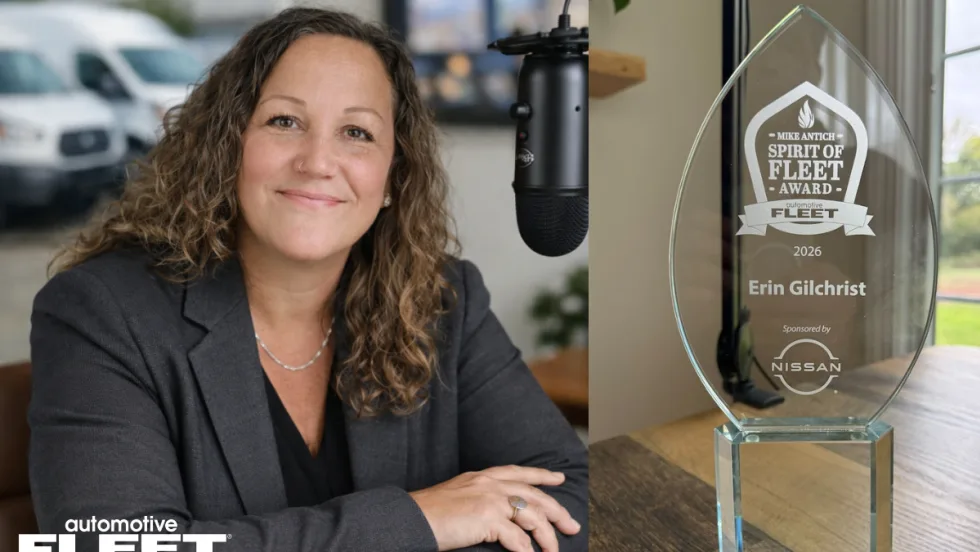
Erin Gilchrist Receives Mike Antich Spirit of Fleet Award
Last week at AFLA in Vegas, Erin Gilchrist received the inaugural, brand-new Spirit of Fleet Award.
Read More →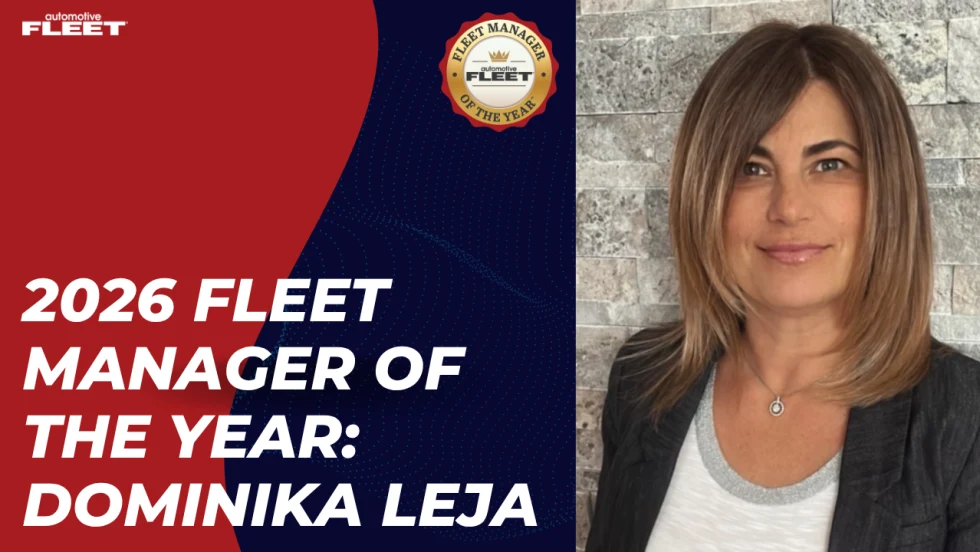
Dominika Leja Named the 2026 Fleet Manager of the Year
The AstraZeneca associate director of fleet was recognized for her leadership in fleet electrification, cost savings, and operational transformation.
Read More →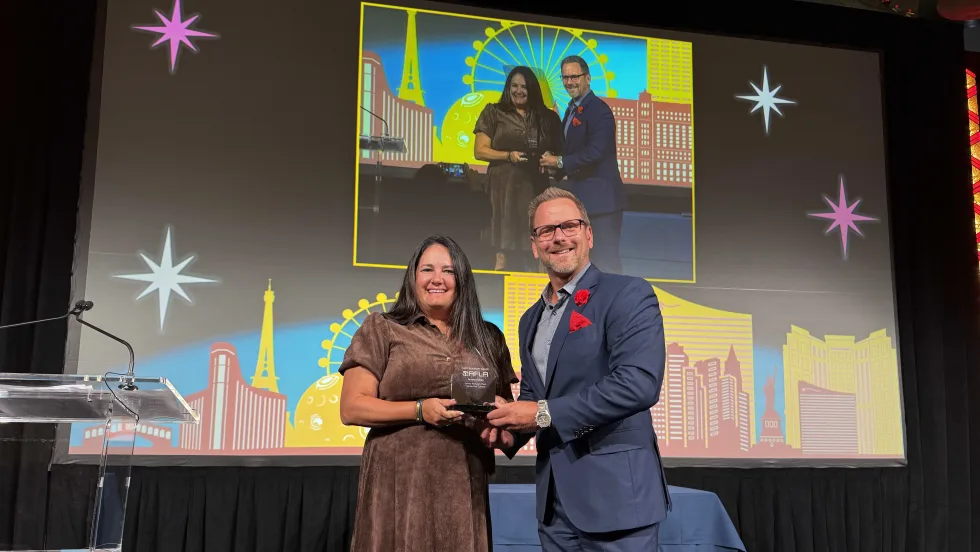
Jamie McKay Named the 2026 Fleet Visionary Award Winner
The Aptive Pest Control fleet manager was recognized for her approach to operations, data, lifecycle management, and driver needs.
Read More →
Fleet Forward Conference Introduces One-Day Passes for 2026
New one-day registration gives fleet professionals the flexibility to attend Tuesday, Wednesday, or Thursday, with passes available for $199 through Sept. 18.
Read More →
Vibe Coding: When Fleet Managers Become Software Builders
Five fleet professionals — none with programming skills — discuss how they’re using AI to build fleet solutions in-house and in a fraction of the time.
Read More →
Fleet Forward Conference Tackles Fleet Industry’s Growing Leadership Gap
This session will examine succession planning, knowledge transfer, and the skills the next generation of fleet leaders will need as veteran professionals leave the industry.
Read More →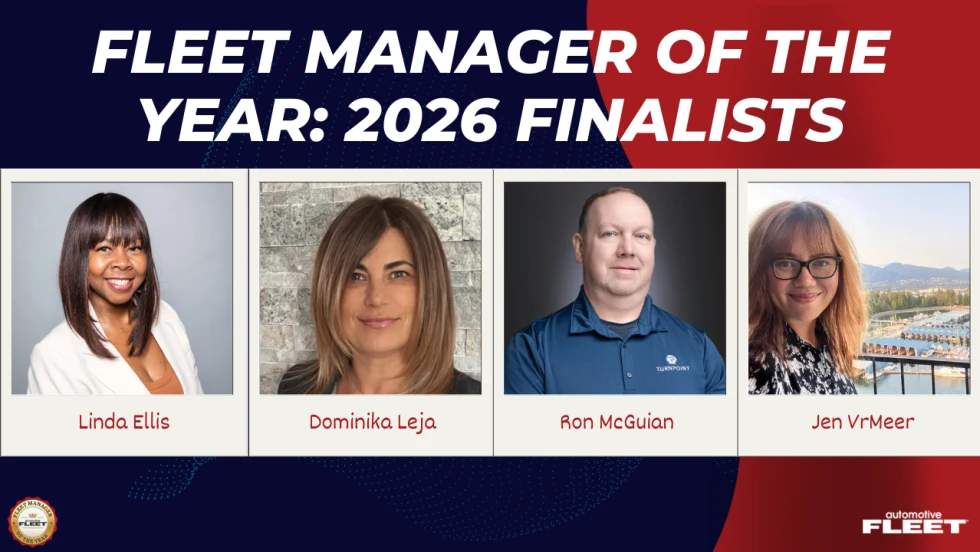
2026 Fleet Manager of the Year Finalists Announced
Who are the 2026 Fleet Manager of the Year finalists?
Read More →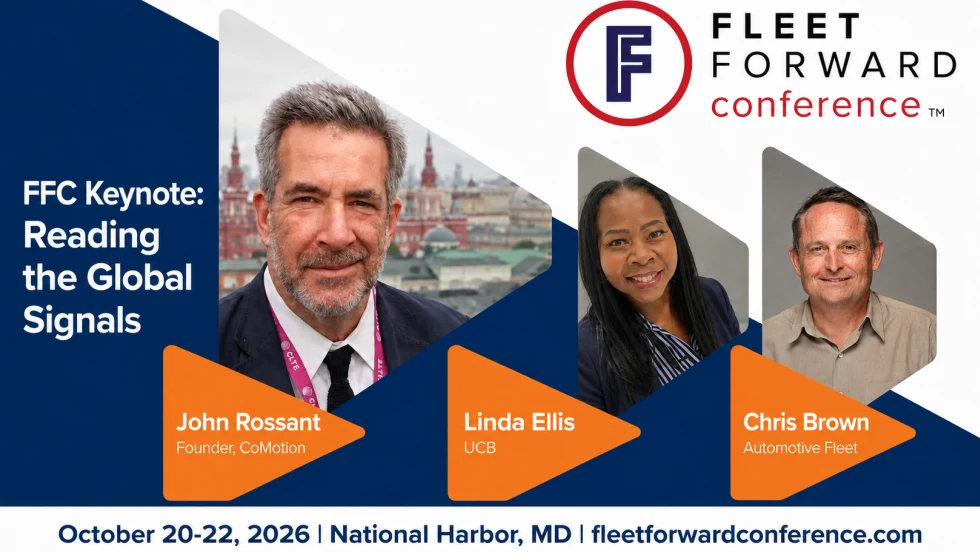
John Rossant to Deliver Opening Keynote at 2026 Fleet Forward Conference
The CoMotion founder will draw on developments across Europe, China, the Middle East, and other international markets to identify trends that could influence how U.S. fleets plan for the coming decade.
Read More →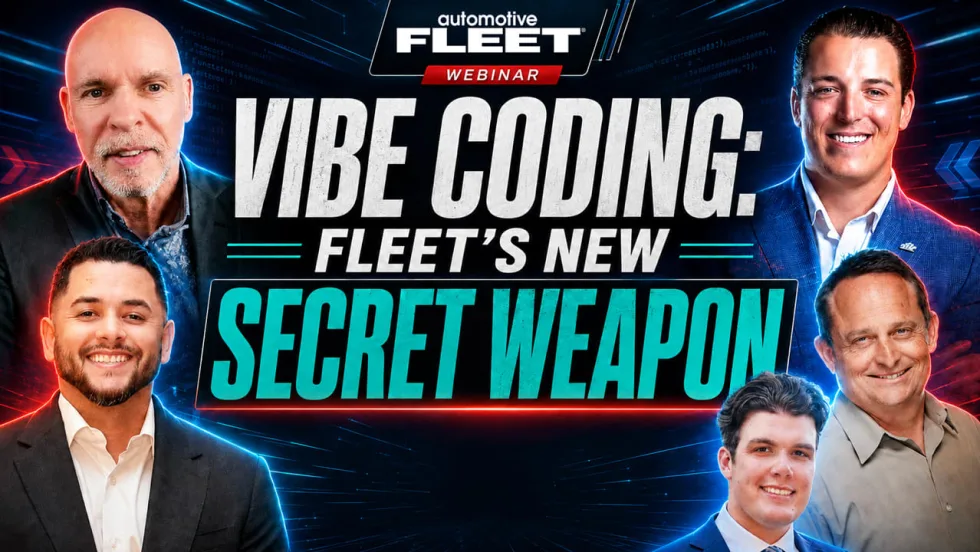
How to Build Custom Fleet Tools With AI and Vibe Coding [Webinar]
A new Automotive Fleet webinar explores how fleet managers are using AI and vibe coding to automate routine work and create simple operational tools without traditional programming skills.
Read More →