




The New-and-Improved Displacement on Demand System
This high-tech concept boasts more computing power with the ability to smoothly shut off half the engine in eight-cylinder vehicles, providing maximum fuel efficiency without compromising performance.
Displacement on Demand, a concept introduced in 1981 by General Motors for its Cadillac 4-6-8 V-8, initially failed due to lack of technology. However, with developments in today’s state-of-the-art technology and computing power, GM will recycle and implement the concept in its 2005 Chevrolet TrailBlazer EXT, GMC Envoy XL, and GMC Envoy SUV.
How the Technology Works
The purpose of Displacement of Demand is to maximize fuel economy without affecting the vehicle’s performance and ability to carry loads, while minimizing harm to the environment. Large trucks and SUVs equipped with Vortec V-8 engines featuring Displacement on Demand engines begin driving on eight cylinders. Once the vehicle reaches top speed, half the engine shuts down, smoothly transferring operation to four cylinders. The transition is so subtle that only an indicator light informs the driver that half the engine is turned off.
When carrying a light load, the system automatically closes both intake and exhaust valves for half the cylinders, cutting air and fuel supply without compromising speed. To accelerate normally or carry heavy loads, the valves reopen and operate on all cylinders.
Once the vehicle is moving, less power is required for operation. The vehicle effectively runs on half the engine, increasing fuel economy by 8-25 percent. If left operating, the engine’s other half only wastes fuel and money and unnecessarily contributes to air pollution.
“Because there is no degradation in emissions, Displacement on Demand technology will improve overall emissions because less fuel is used,” said Sam Winegarden, GM Powertrain chief engineer of Vortec V-8 engines.
“We have figured out a way to make our engines work smarter and deliver top-of-the-line performance with less effort, with less energy. That’s the essence of efficiency,” said Winegarden.
What the Future Holds
GM plans to produce more than 150,000 V-8s with Displacement on Demand in the first year, increasing production over the next several years to nearly 1.5 million in 2007.
By 2006, Displacement on Demand technology will be introduced to V-6 engine mid-sized passenger cars, and by 2008, the system will be featured in more than 2 million V-8 and V-6 engine vehicles.
More Operations

Top 50 Executive Fleets
It is that time of year again! Time for the 2026 list of the Top 50 Executive Fleets, presented by Automotive Fleet and Volvo as part of its annual Fleet 500. Download now to see this year's list of companies!
Read More →
Gary Van Orden Retires After Nearly Four Decades in Commercial Fleet
From answering customer calls at Ford Motor Company to leading fleet sales across multiple OEMs and a fleet management company, Gary Van Orden's career reflects nearly four decades of leadership in commercial fleet.
Read More →
How Stellantis Plans to Get Ahead of Fleet Downtime
Vehicle acquisition may grab the headlines, but fleet uptime increasingly determines operating success. Darren Bradshaw of Mopar North America gives the details.
Read More →
Hyundai Releases 2027 Commercial Program Incentives
The 2027 Model Year "Fleet Street Incentives" are available to commercial and government fleets.
Read More →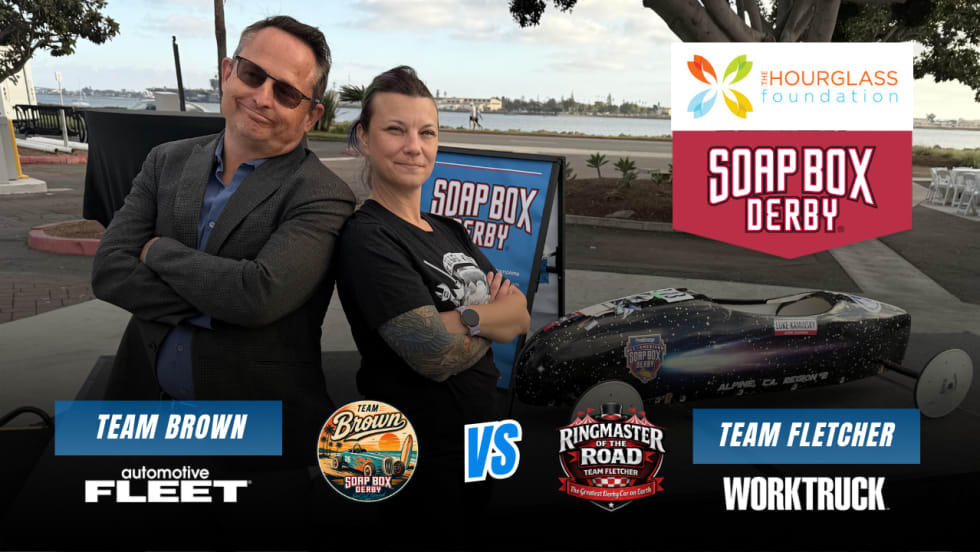
It's All Downhill from Here! Fleet Industry Raises $22,000 for Skilled Trades Scholarships
Work Truck’s Lauren Fletcher and Automotive Fleet’s Chris Brown turned a friendly racing rivalry into $22,000 for automotive technology and skilled trades scholarships.
Read More →
The Top 300 Commercial Fleets
The Top 300 Commercial Fleets: See the List
Read More →
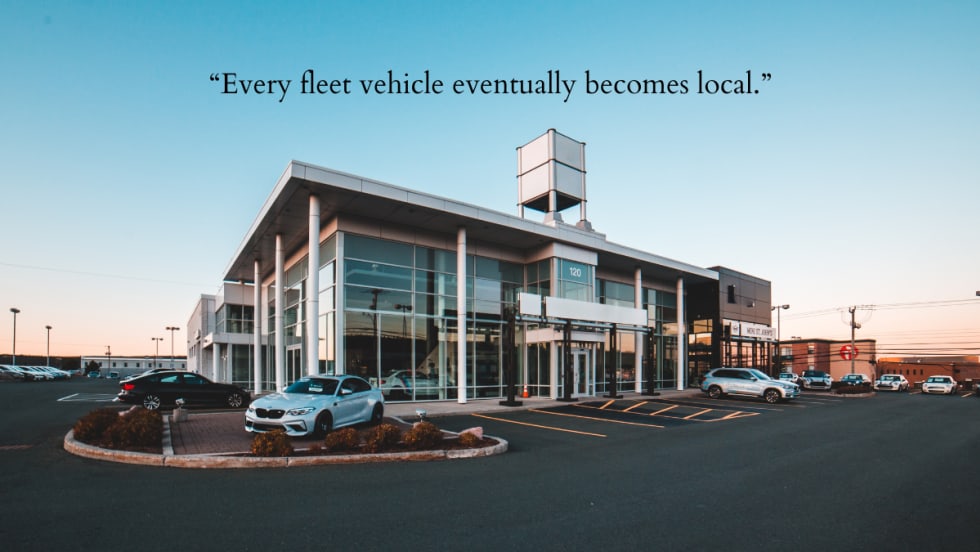
Your Local Dealer Knows More Than You Think
Your local dealer can provide an information advantage that extends well beyond courtesy deliveries.
Read More →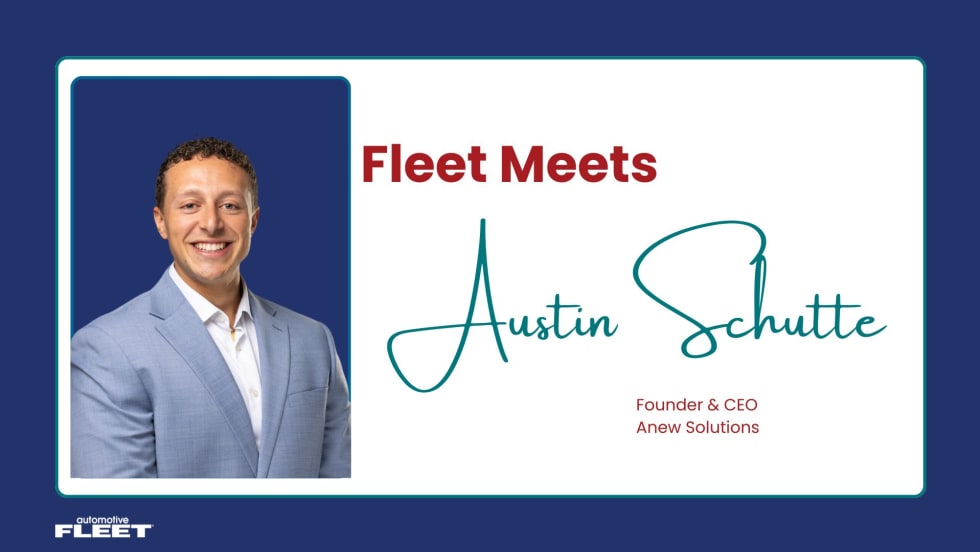
Fleet Meets: Austin Schutte
Here are some industry insights, personal touches, and words of advice from the CEO and Founder of Anew Solutions.
Read More →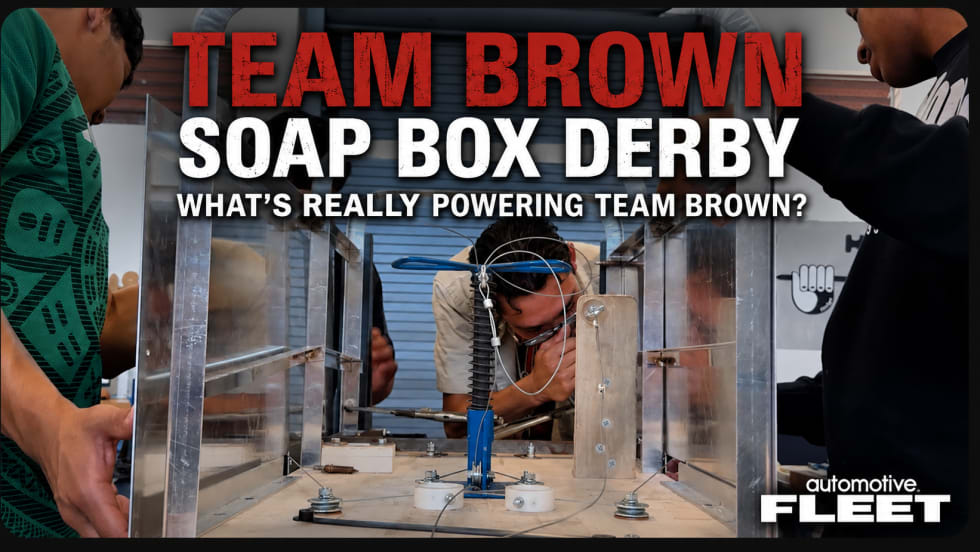
Soap Box Derby Challenge: What’s Powering Team Brown
The car is coming together, the students are solving real build problems, and the fleet industry is helping push Team Brown toward the starting line.
Read More →