





Related: Ford E-Transit Starts Under $45,000, Has Estimated 126-Mile Range
The ICE Dealer Conundrum in Selling Electric Vehicles
Traditional car dealers can make themselves an integral part of the EV revolution and take their cut of the pie. But only if they’re willing.
December 8, 2020
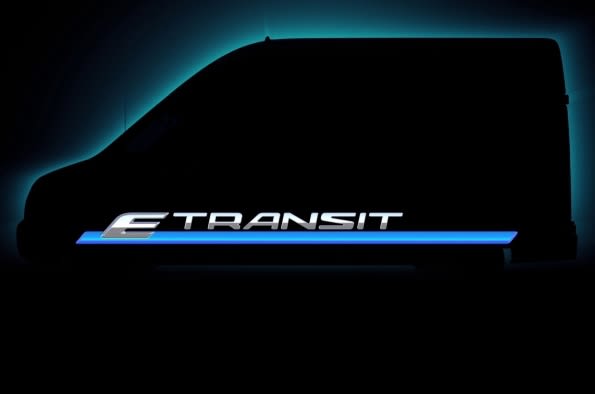
Ford’s rollout of the E-Transit and electric F-150 will be a massive test case in the OEM-dealer relationship when it comes to EVs.
Photo via Ford.
4 min to read
The electric vehicle market needs dealers onboard to foment the revolution. Tesla says otherwise, and we’ll get to that in a minute. But dealers are the in-person conduits, the knowledge experts, the hand-holders of the public into new technologies that get them where they want to go.
Yet some dealers aren’t sold on the vision. For now, that’s understandable.
General Motors is accelerating plans to make Cadillac an EV-only brand, as soon as 2025. Yet about 150 Cadillac dealers are opting out of the brand entirely rather than sell EVs. This makes economic sense for them. Many own multiple GM brands but don’t sell enough Cadillacs to warrant the $200,000 to upgrade facilities and the extra company training.
GMC dealers, however, won’t be offered the same buyout. Though the electric Hummer is a lifestyle vehicle, the GMC brand isn’t luxury — its dealers drive much more volume to buyers who straddle the line between work and play.
Many Cadillac and GMC dealers exist in rural areas in which charging infrastructure will lag along with the buying intent for EVs of their traditional customer base. As well, EVs hardly need any servicing — why would a dealer remove this profit center?
But for those dealers, are they making their beds with diesel and gas forever? Perhaps by the time electrification becomes the unavoidable elephant in the room, they won’t have to wear the first-adopter badge. Their upgrade costs will be lower, their customer base more accepting of EVs, and their staffs more willing to sell them. Or they’ll be so behind the curve that their customers will already be elsewhere.
Which brings us to Tesla. Tesla is becoming a player in fleet and is intent on growing its fleet footprint. “Bandwidth on fulfilling (fleet) orders is not currently a concern. I don't think we would limit a certain amount of allocation (for fleet) at this time,” said Tiara Thurston, sales director for Tesla, at the 2020 Fleet Forward Experience. Thurston added that Tesla’s order-to-delivery time, even for large orders, is about four to six weeks.
Tesla has a one-price direct sales model with no franchised dealerships. Because of franchise laws regarding vehicle sales, Tesla needs to sell vehicles online. This, however, alleviates Tesla of a problem the traditional OEMs have — controlling dealer markups on hot products. The traditional OEMs will walk a tightrope with new EV models. They need to allow their franchised dealers, independent businesspeople, to make their profit while hoping to suppress high markups that will be a barrier to EV permeation.
Fleet buyers certainly appreciate fleet incentives and extra spiffs based on volume to lower initial costs. But Tesla’s single-price model has, along with its brand cache, kept its models’ residual values comfortably high. Wholesale values for the rest of the electric passenger car market are enough of a question mark for now as to be a barrier to entry for many fleets.
That brings us to servicing. Tesla-owned stores in malls and shopping centers are great for consumers, but have no relevance for fleets, particularly when it comes to maintenance. Tesla says 85% of its customers’ maintenance needs are being handled by mobile services.
Some Tesla fleet customers are finding the mobile servicing system to be lacking. Tesla will work to overcome these growing pains. They’ll hone their mobile services, establish other third-party brick-and-mortar services as necessary, and continue to build relationships with fleet management companies (FMCs). They’ll do it without traditional dealerships.
In addition to Tesla, many independent startups are jockeying for position in the Wild West of electrification — Rivian, Lordstown Motors, Atlis, Xos, and Nikola, to name a few. Lordstown is initially only selling to fleet and commercial buyers. CEO Steve Burns says without retail he won’t need dealerships.
Some of these startups won’t be around in 10 years, but if they are, like Tesla they will have had by necessity to figure out how to form an ecosystem to cycle those vehicles to retail and fleet customers, service them, and provide options for used sales by using company resources or third parties.
For smaller, local fleets, those same services — from model knowledge and financing to maintenance and remarketing — are handled by franchised dealers. Are those dealers willing to give up their status as de facto fleet managers when it comes to game-changing new technology such as EVs?
Ford will release its e-Transit next year, followed by the electric F-150. Ford intends on a nationwide rollout for these new models through its traditional dealer base. The starting price of $45,000 for the e-Transit, a fleet vehicle, is very reasonable. Ford’s EV rollout will be a massive test case in the OEM-dealer relationship when it comes to EVs.
The OEMs can’t back down from electrification, they’re putting too much money into new models and the retooling of massive factories. The process will be slower than initial pronouncements; it always is. But it will happen. Whether the incumbent ICE dealer base wants to find ways to make themselves invaluable in this process is within their power, and up to them.
Subscribe to Our Newsletter
More Fleet Forward
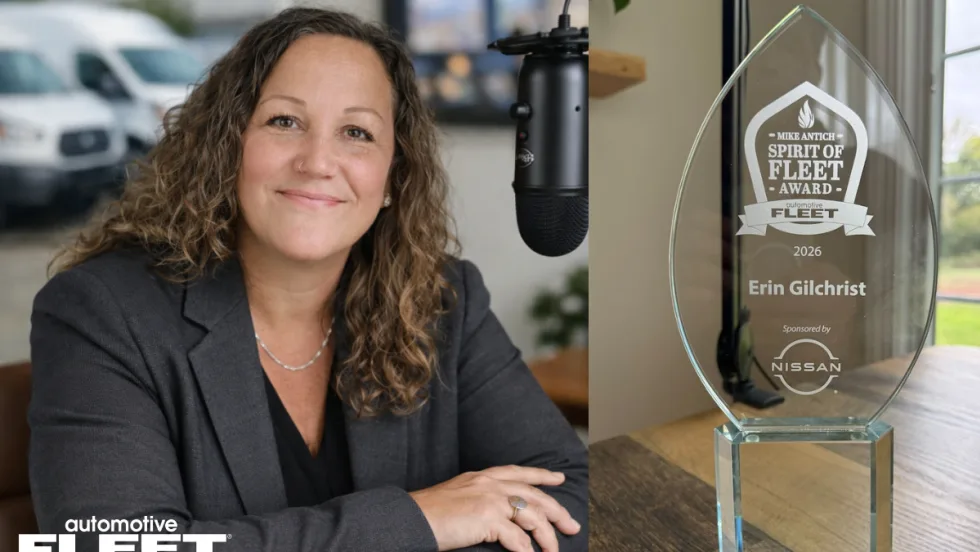
Erin Gilchrist Receives Mike Antich Spirit of Fleet Award
Last week at AFLA in Vegas, Erin Gilchrist received the inaugural, brand-new Spirit of Fleet Award.
Read More →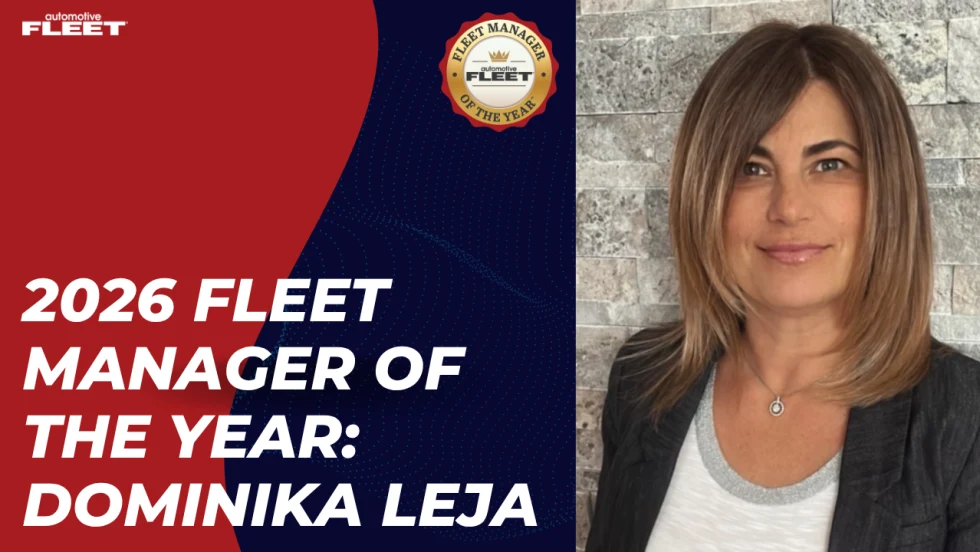
Dominika Leja Named the 2026 Fleet Manager of the Year
The AstraZeneca associate director of fleet was recognized for her leadership in fleet electrification, cost savings, and operational transformation.
Read More →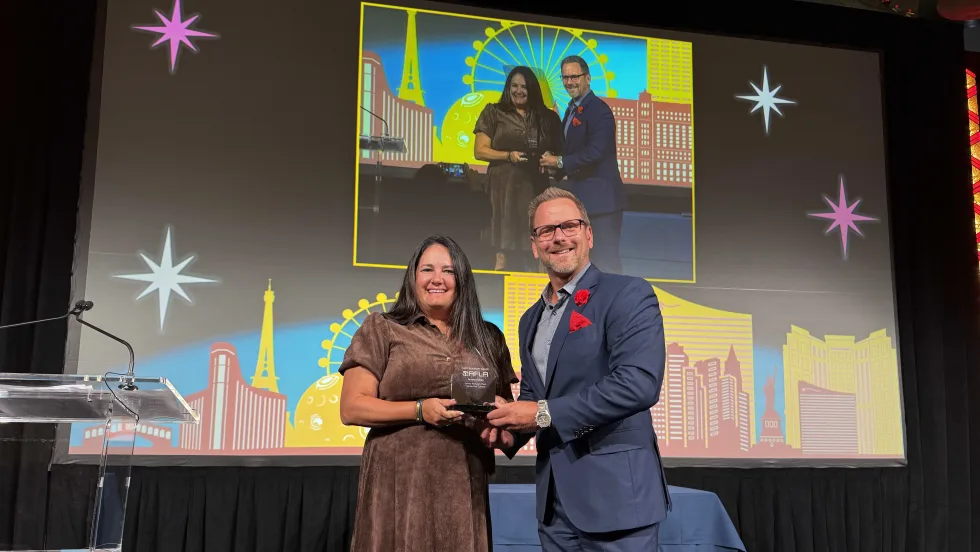
Jamie McKay Named the 2026 Fleet Visionary Award Winner
The Aptive Pest Control fleet manager was recognized for her approach to operations, data, lifecycle management, and driver needs.
Read More →
Fleet Forward Conference Introduces One-Day Passes for 2026
New one-day registration gives fleet professionals the flexibility to attend Tuesday, Wednesday, or Thursday, with passes available for $199 through Sept. 18.
Read More →
Vibe Coding: When Fleet Managers Become Software Builders
Five fleet professionals — none with programming skills — discuss how they’re using AI to build fleet solutions in-house and in a fraction of the time.
Read More →
Fleet Forward Conference Tackles Fleet Industry’s Growing Leadership Gap
This session will examine succession planning, knowledge transfer, and the skills the next generation of fleet leaders will need as veteran professionals leave the industry.
Read More →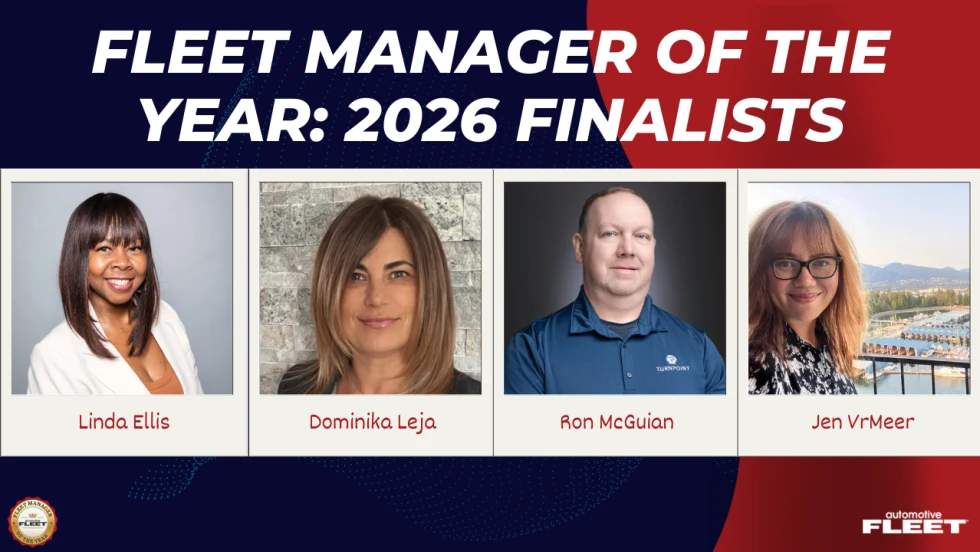
2026 Fleet Manager of the Year Finalists Announced
Who are the 2026 Fleet Manager of the Year finalists?
Read More →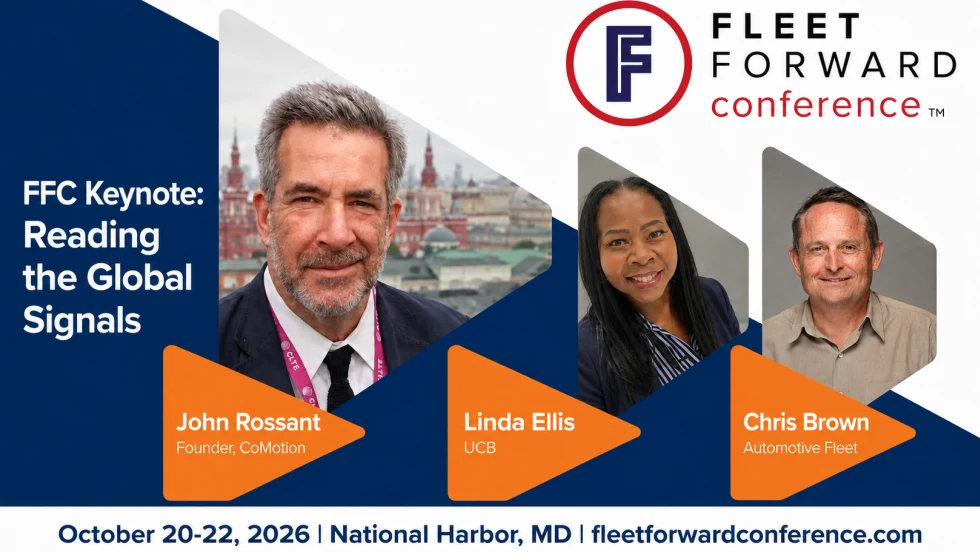
John Rossant to Deliver Opening Keynote at 2026 Fleet Forward Conference
The CoMotion founder will draw on developments across Europe, China, the Middle East, and other international markets to identify trends that could influence how U.S. fleets plan for the coming decade.
Read More →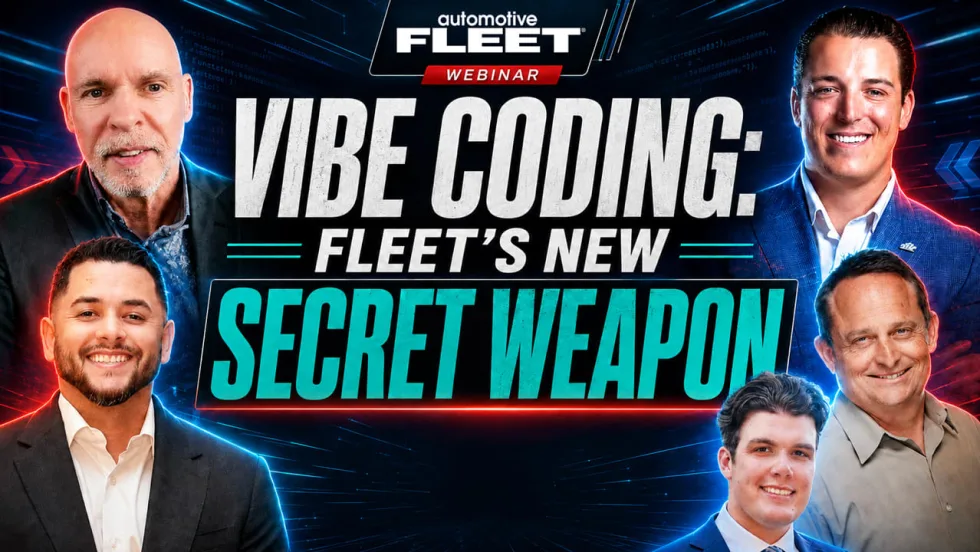
How to Build Custom Fleet Tools With AI and Vibe Coding [Webinar]
A new Automotive Fleet webinar explores how fleet managers are using AI and vibe coding to automate routine work and create simple operational tools without traditional programming skills.
Read More →