





Related: Geotab’s Neil Cawse Defines Inflection Points for AI in Fleets
The Fleet View: Harnessing AI, Addressing Privacy & Security
Artificial intelligence is already in use today. But what new near-term integrations will provide value for fleets, and what steps should organizations take to ensure they’re protected?
April 1, 2024
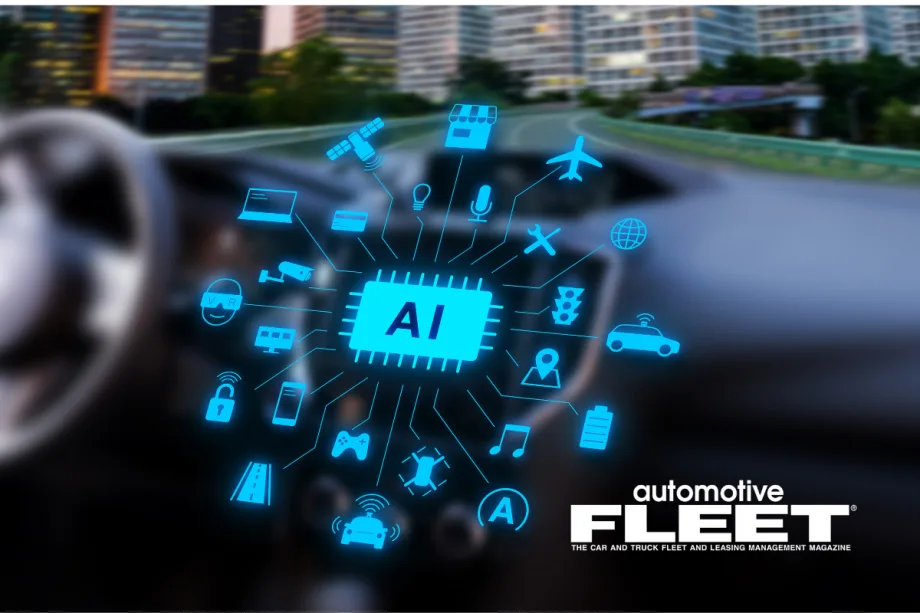
In addition to data aggregation to optimize predictive analytics, maintenance schedules, telematics, and diagnostics, AI will be used to streamline fundamental tasks such as driver assignments, identifying safety issues, optimizing routes, and calculating mileage.
Image: Canva/Automotive Fleet
4 min to read
Automotive Fleet recently reached out to fleet management companies to contextualize the biggest trends for fleets for 2024 and beyond. The responses were included in this article, which focused primarily on vehicle supply, segment trends, and supply chain issues.
We also asked for perspective on technology integration, specifically on how the fleet industry harnesses artificial intelligence (AI) and the factors driving connected vehicle technology.
We’re including those responses in two online articles. In this first one, we’ll focus on AI:
AI is coming, but how do we harness it?
Brian Bathe, chief technology officer at Mike Albert Fleet Solutions:
“It’s already being harnessed; system developers and integrators are actively building features that leverage AI. From voice recognition in your vehicle to the generation of more accurate data modeling in your fleet management software, it is being utilized more and more every day.
Embrace the change and start to learn about how to leverage those new features that are being built into your systems.”
Steven Jastrow, vice president – strategic advisory & client analytics for Element Fleet Management:
“AI has been with us for several years. Machine learning has been with us for years and is a component of AI. We use it to predict distance driven, clean up erroneous entries on odometer edits, and evaluate maintenance and accident data.
More recently AI is providing benefits around dashcam technology as well as telematics. The most immediate impact will be around safety. Dashcams and telematics can give real-time feedback on driver behavior as well as provide proof if an accident were to occur. Heavy truck and service fleets use AI for route optimization as well as load planning and optimization.
I believe the biggest near-term wins will come from the safety angle. The overall cost of an accident to a fleet is massive, upwards of $1M for a fatality. Improving safety through AI will be a quick win and companies offer those solutions today.
AI is still very much in the early days of its development, and we will continue to see benefits of this technology in the years to come.”
Roan Oropesa, strategic business development director at Enterprise Fleet Management:
“Some business applications of AI are still in their early stages, so fleets should not feel as though they are falling behind so long as they are testing and interacting with some of AI’s capabilities.
At Enterprise Fleet Management we are assessing the capabilities and AI’s ability to be a business enabler, as a tool to support our team members and leverage the technology to become more efficient in our processes.
AI can assist with identifying patterns and anomalies through data mining to support recommendations, which have the potential to be beneficial. Amongst its various capabilities, Jeff Schuchardt, our vice president of information technology, has predictive maintenance and vehicle driving patterns in addition to safety being a key consideration on his radar.
AI algorithms that can analyze data from vehicle sensors and detect potential problems before they cause a breakdown can be highly beneficial. This insight could enable fleet managers to perform preventive maintenance to keep vehicles in optimal conditions, while improving driver safety, reducing downtime and extensive repair costs in a timelier manner.
Being able to leverage AI to optimize vehicles’ driving patterns to account for ease in identifying charging access of electric vehicles, and optimal dwell times, among other considerations with reducing travel time, improving safety, and optimizing energy consumption, are all factors that are key to fleets.”
Suzannah Hicks, AI strategist at Merchants Fleet.
“The power of AI presents opportunities to revolutionize the fleet industry in ways we’ve never seen before. In addition to extensive data aggregation for optimization of things like predictive analytics, maintenance schedules, telematics, and diagnostics — it can also streamline fundamental tasks such as driver assignments, identifying safety issues, optimizing routes, and calculating mileage.
By leveraging AI, efficiency can be enhanced across all business lines and processes. Client inquiries can be resolved faster, overall productivity can be increased, and total cost of ownership can be reduced across the board. We’ve worked hard as an industry to collect massive amounts of data, and with AI we have an exciting opportunity to turn these insights into tangible results.”
How can fleets protect themselves when interacting with AI?
Oropesa, EFM:
“The legal and social landscape around AI technology is still evolving and it is important to be careful and thoughtful with and when AI technology is used. This is especially true when it comes to exploring solutions that involve or handle sensitive information.
It is also important to establish and implement policies that protect privacy and sensitive information.”
Jastrow, Element:
“The biggest threats from AI today revolve around data privacy and security. Close coordination with your IT teams will be paramount to protecting your organization.
Other threats could include bias and discrimination. AI systems are trained on large datasets, and if these datasets contain biased or discriminatory information, the AI algorithms can perpetuate and even amplify existing biases.”
Bathe, MAFS:
“Sensitive and/or personal data can be used by AI technologies and can cause a lot of problems without any controls. Organizations need to add AI to their data governance strategy to not just increase priority on AI usage, but also AI privacy and security.”
Subscribe to Our Newsletter
More Fleet Forward
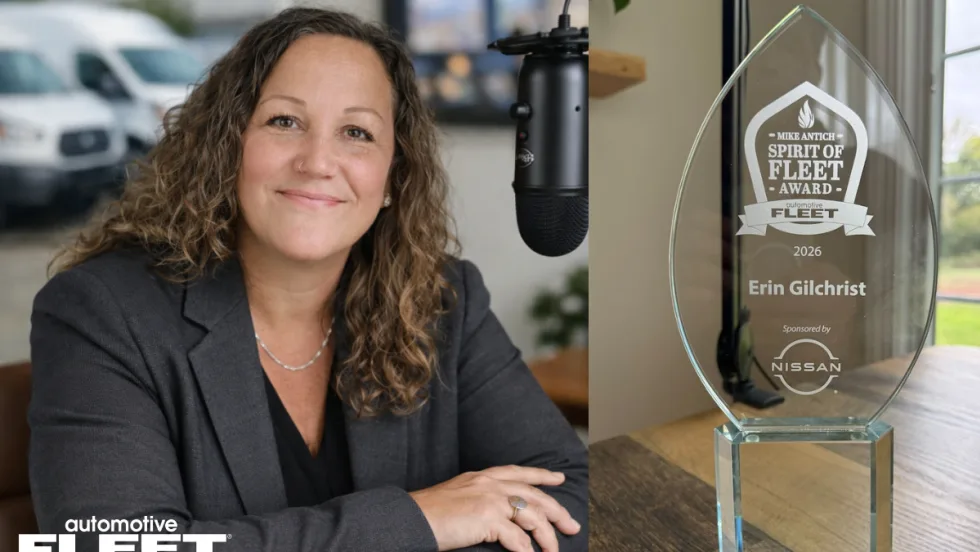
Erin Gilchrist Receives Mike Antich Spirit of Fleet Award
Last week at AFLA in Vegas, Erin Gilchrist received the inaugural, brand-new Spirit of Fleet Award.
Read More →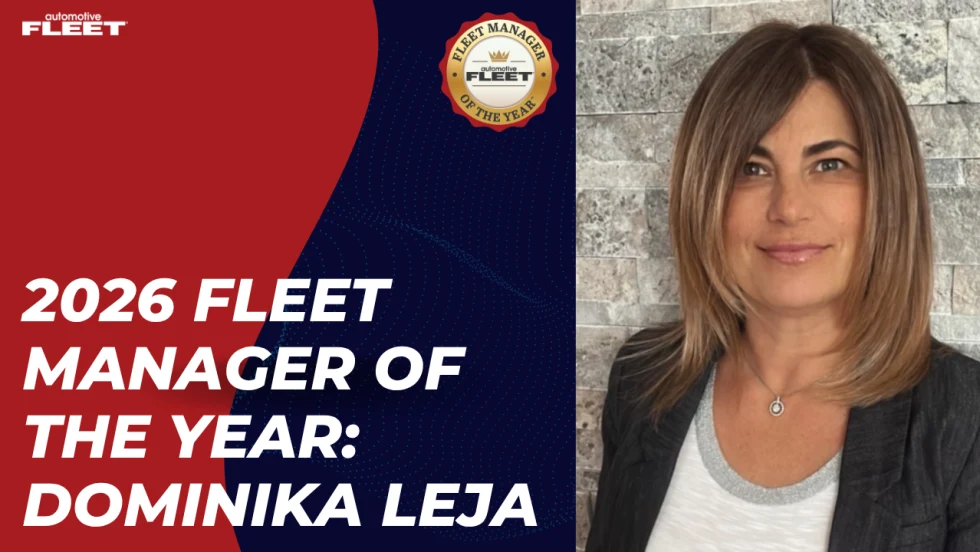
Dominika Leja Named the 2026 Fleet Manager of the Year
The AstraZeneca associate director of fleet was recognized for her leadership in fleet electrification, cost savings, and operational transformation.
Read More →
Jamie McKay Named the 2026 Fleet Visionary Award Winner
The Aptive Pest Control fleet manager was recognized for her approach to operations, data, lifecycle management, and driver needs.
Read More →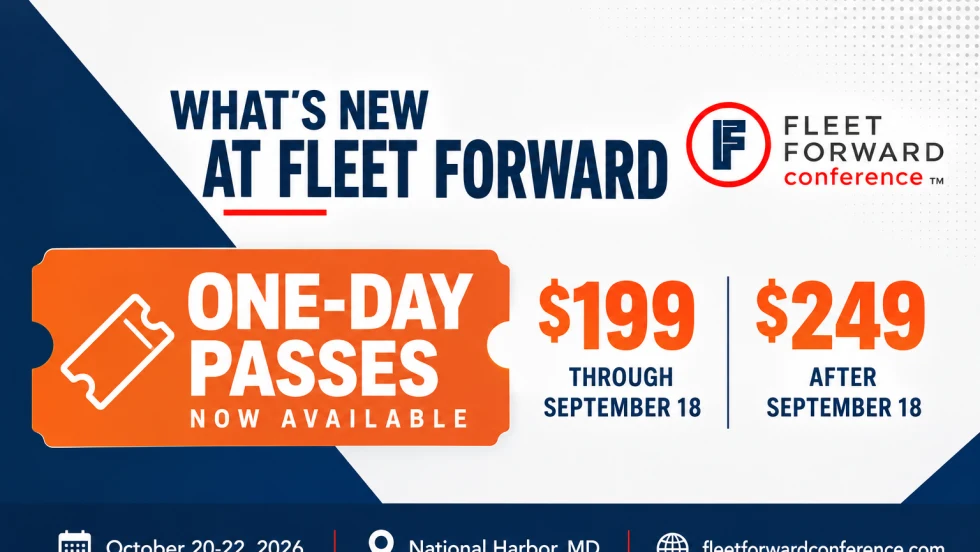
Fleet Forward Conference Introduces One-Day Passes for 2026
New one-day registration gives fleet professionals the flexibility to attend Tuesday, Wednesday, or Thursday, with passes available for $199 through Sept. 18.
Read More →
Vibe Coding: When Fleet Managers Become Software Builders
Five fleet professionals — none with programming skills — discuss how they’re using AI to build fleet solutions in-house and in a fraction of the time.
Read More →
Fleet Forward Conference Tackles Fleet Industry’s Growing Leadership Gap
This session will examine succession planning, knowledge transfer, and the skills the next generation of fleet leaders will need as veteran professionals leave the industry.
Read More →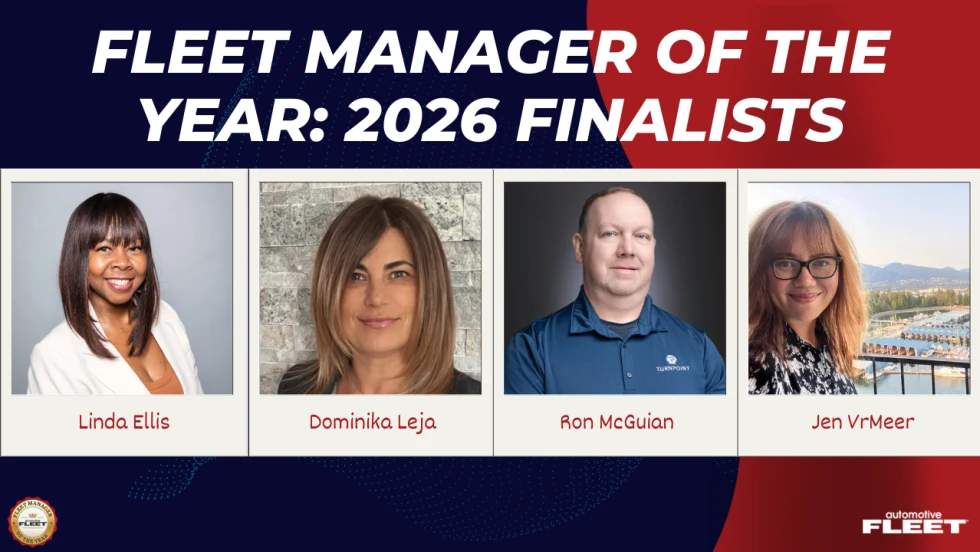
2026 Fleet Manager of the Year Finalists Announced
Who are the 2026 Fleet Manager of the Year finalists?
Read More →
John Rossant to Deliver Opening Keynote at 2026 Fleet Forward Conference
The CoMotion founder will draw on developments across Europe, China, the Middle East, and other international markets to identify trends that could influence how U.S. fleets plan for the coming decade.
Read More →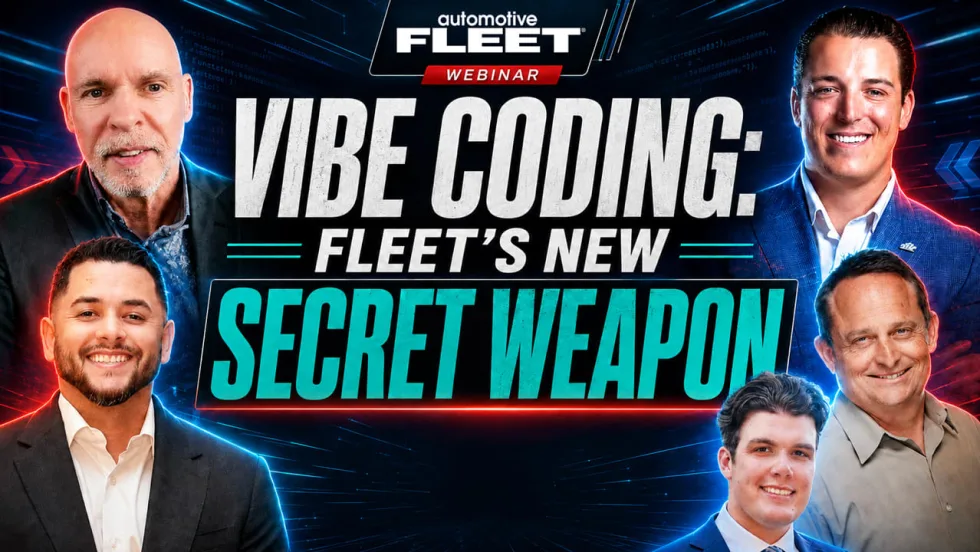
How to Build Custom Fleet Tools With AI and Vibe Coding [Webinar]
A new Automotive Fleet webinar explores how fleet managers are using AI and vibe coding to automate routine work and create simple operational tools without traditional programming skills.
Read More →