




The Emerald City Strives for a Deeper Shade of Green
Western Washington Clean Cities is helping airports, government fleets, and businesses find sustainable solutions for fueling transportation.
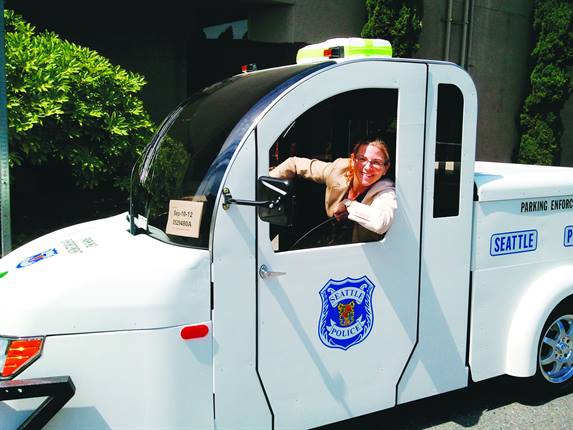
Anchored by the Space Needle, the Seattle skyline is among the most recognizable in the U.S. Western Washington Clean Cities (WWCC) is working to ensure that views of the Emerald City’s iconic cityscape aren’t compromised by vehicle emissions.
WWCC is housed within the Puget Sound Clean Air Agency and works with scores of fleets and other stakeholders throughout the region to deploy alternative fuels, implement fuel economy improvements, and reduce idling.
In 2011, the coalition’s members averted the use of 10.2 million gallons of petroleum fuels. Contributing to that success is a growing trend among the area’s public-sector fleets to adopt electric vehicles.
“Local governments in Washington state have the highest electric vehicle adoption rate in the country,” said WWCC Coordinator Stephanie Meyn, who has spent more than a decade working to protect the Pacific Northwest’s air quality. “We’re second only to San Francisco in the amount of electric charging infrastructure installed.”
The City of Seattle boasts more than 40 all-electric Nissan LEAFs in its municipal vehicle pool. The cars have proven extremely popular among City employees, thanks to a concerted roll-out that included training, videos, and test drives.
Sea-Tac International Airport is also jumping on the electrification bandwagon, aiming to have all its ground-support equipment go electric within three years. The effort includes equipment operated by the airport and each airline. It promises to deliver substantial lifecycle emissions benefits, as 90 percent of the airport’s electricity is generated from renewable sources.
Electrification is only one alternative-vehicle power source that Meyn and her team are working to implement. WWCC is also facilitating dialogue among the region’s fleets, dairy farms, landfills, and biogas producers to foster adoption of renewable natural gas as a vehicle fuel.
“Until recently, gas from dairy farm digesters was used primarily to generate electricity. Our coalition is working with this industry to demonstrate the additional benefits of using this gas as fuel for vehicles,” Meyn said.
Get Involved With Clean Cities
Through the work of nearly 100 local coalitions, Clean Cities advances the nation’s economic, environmental, and energy security by reducing petroleum use in transportation. Clean Cities is an initiative of the U.S. Department of Energy. Find out more at www.cleancities.energy.gov.
For more information about WWCC,
e-mail Meyn at stephaniem@pscleanair.org, or visit www.wwcleancities.org
More Green Fleet
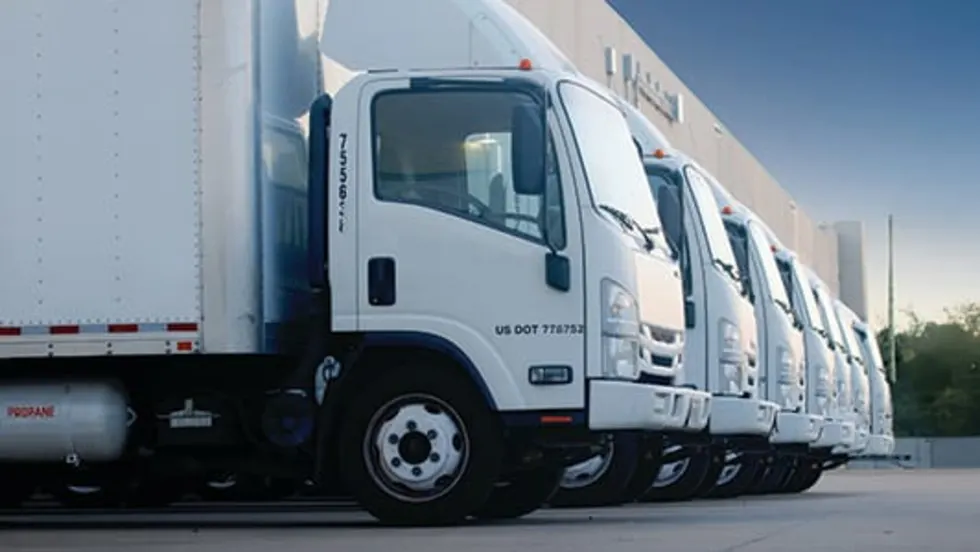
New Propane Autogas Program Offers Fleet Compensation
Qualified commercial fleets can receive $7,500 per eligible propane autogas vehicle and up to $10,000 for new refueling site prep. Learn how the program works and see whether your fleet qualifies.
Read More →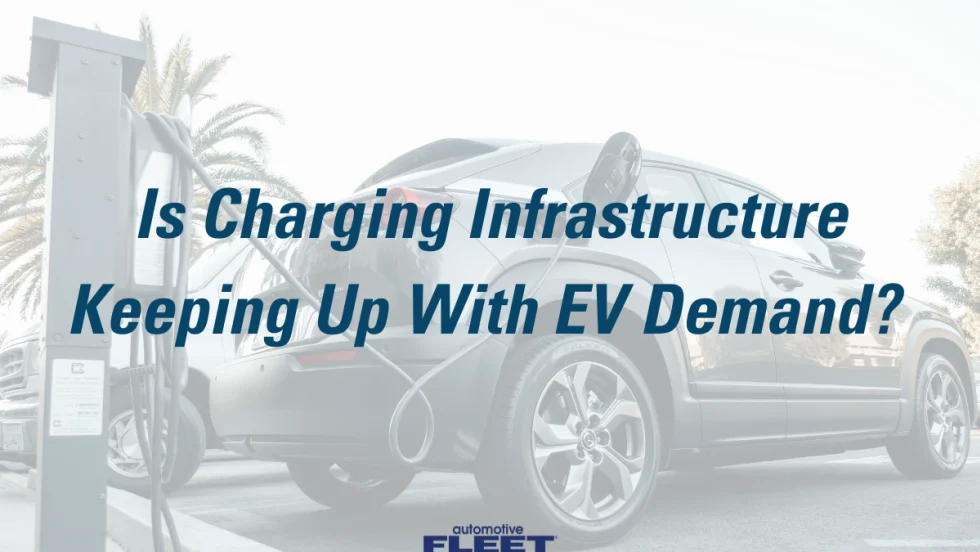
EV Charging Use Is Outpacing Infrastructure Growth
ChargePoint’s 2026 Charging Forward Report points to rising charger use, higher-powered charging, commercial vehicle electrification, and energy-management technology. Here’s what fleets should know.
Read More →
Merchants Fleet Reports 290M EV Miles as Fleets Navigate Changing Electrification Market
From millions in operating savings to hundreds of millions of EV miles, Merchants Fleet’s latest report reveals what’s working and what’s changing in fleet electrification.
Read More →
The EV Breakdown Nobody's Talking About: Why Most Electric Vehicle Roadside Calls Aren't Mechanical Failures
Here's why EV breakdowns are widely misunderstood.
Read More →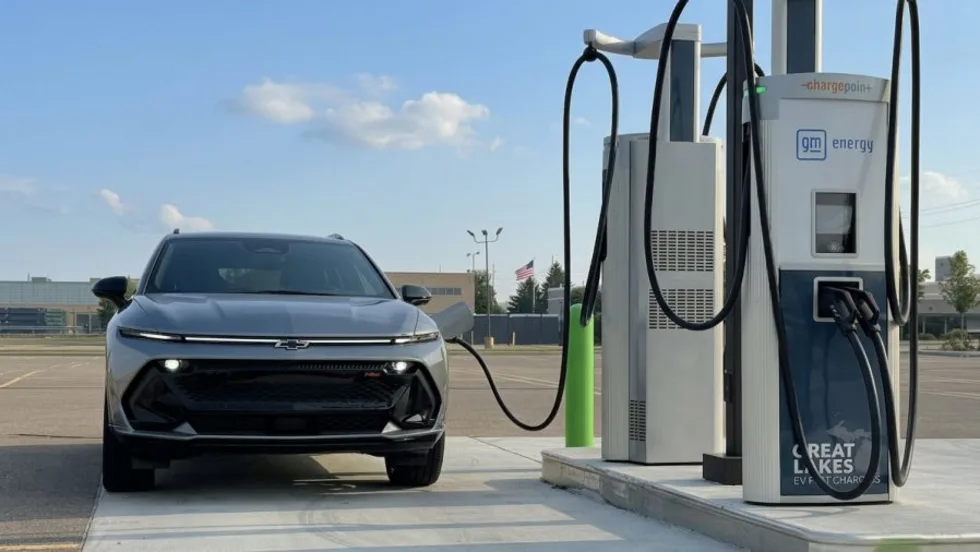
ChargePoint Now Available in Energy Pass
ChargePoint and additional planned charging network integrations were added to GM's Energy Pass.
Read More →

First Look: Slate Auto's Electric Fleet Pickup
Could an affordable, modular EV pickup make electrification more practical for fleets?
Read More →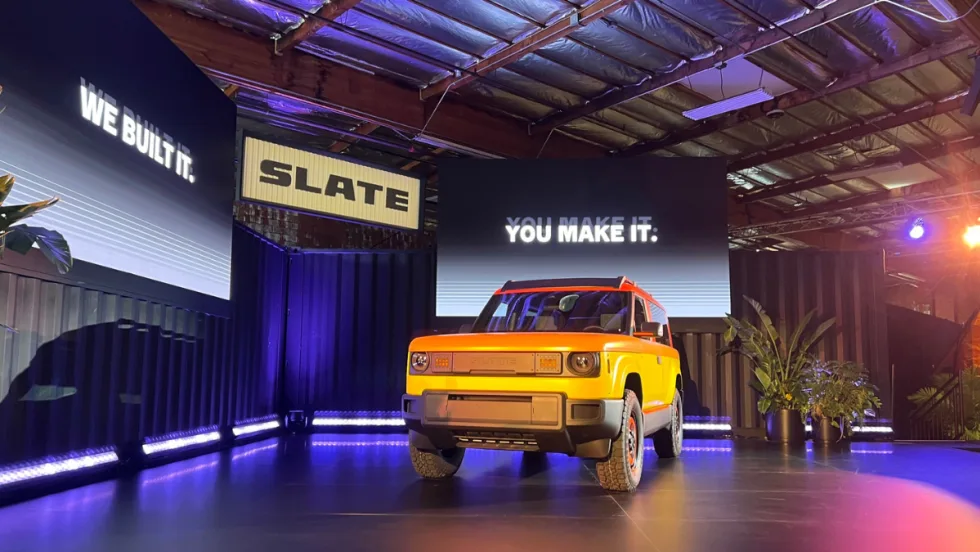
Slate Debuts Colorful, Unique EV Models
A recent media and client event, studded with electric vehicles dressed up on platforms, planted a new position for the manufacturer in the wider EV market. Fleets will find cost-saving advantages.
Read More →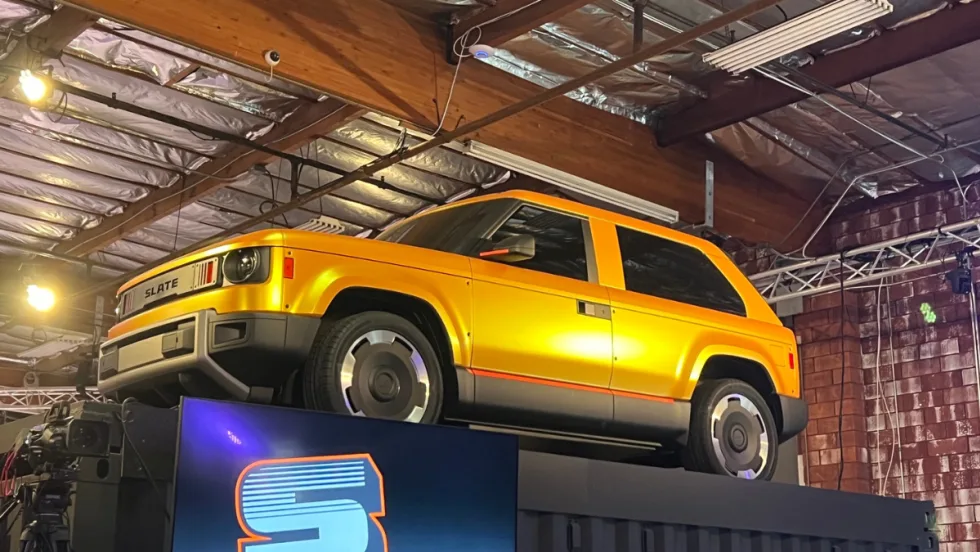
Slate Electric SUV, Pickup Switchable Model Aims For Light-Duty Fleets
Everything about this EV is counterintuitive and understated, making it stand out from the crowd.
Read More →
Inspiration Mobility Acquires Key Electrada Assets
Inspiration Mobility Group has acquired select assets of Electrada, adding the fleet electrification provider's team, technology, and charging infrastructure development capabilities to its energy management business.
Read More →