




The DNA of a Great Fleet Manager
This issue’s cover story recognizes the 2004 Fleet Manager of the Year. During my tenure in fleet, I have had the privilege of meeting 19 of the 20 fleet managers who have won this award. Although each managed different types and sizes of fleets, there were common traits found among these award-winning fleet managers. Likewise, over the years, I have had the privilege of meeting many other unsung pros of fleet management in whom these same traits were also evident. Here’s what they had in common


This issue’s cover story recognizes the 2004 Fleet Manager of the Year. During my tenure in fleet, I have had the privilege of meeting 19 of the 20 fleet managers who have won this award. Although each managed different types and sizes of fleets, there were common traits found among these award-winning fleet managers. Likewise, over the years, I have had the privilege of meeting many other unsung pros of fleet management in whom these same traits were also evident. Here’s what they had in common.
9 Traits of a Great Fleet Manager
1. Great fleet managers have excellent communication skills. These fleet managers have the ability to conceptualize an idea and communicate it. They have credibility with their management because of a strong knowledge base of the profession, which gives them the ability to work within the organization to implement new programs.
2. They recognize that they ultimately serve the drivers, their primary internal customers. As a result, great fleet managers have the same type of people skills found with sales and service personnel. Furthermore, a great fleet manager establishes a cooperative, working relationship with all internal functions within the corporation that are associated with fleet operations.
3. They keep senior management informed on fleet performance, budget requirements, new products, and programs. They understand that most executives are not fleet management experts and only provide data critical to making a decision. In addition, they keep fleet reports jargon-free and formatted for quick review and comprehension by their senior management.
4. A great fleet manager is a goal setter. They set financial goals involving acquisition and remarketing or operational goals involving maintenance or fuel management. They strive to reduce not only hard costs, but also soft costs. They are goal-oriented in all aspects of fleet management, including driver productivity, safety, accident management, and so forth.
5. Great fleet managers link fleet operations to the corporation’s overall mission and then keep management informed as to how fleet is helping to improve the corporate mission. Besides being an expert in fleet management, a great fleet manager is also intimately aware of the company’s product line and services, marketing objectives, corporate culture, and the needs of user groups.
6. Great fleet managers work with suppliers and other partners to optimize their performance. Some employ supply-chain management techniques, such as bringing suppliers together as a team to facilitate communication with each other to provide efficient, low-cost service to the fleet.
7. Great fleet managers never stop learning. They do so by attending fleet and management seminars to keep pace with best practices as they evolve in the industry. All are active members in industry associations such as NAFA, AFLA, and APWA.
8. They keep the company’s interest foremost in all fleet management decisions. When they recommend changes, they do so because it is in the best interest of the company, even though the changes may be detrimental to their own position.
9. They always conduct themselves in a professional manner.
Senior Management Also Has Responsibilities
Unless senior management recognizes their fleet manager as an active member of corporate management, these traits alone will not be sufficient to guarantee a successful fleet operation. Senior management must follow three guidelines to ensure their fleet managers are allowed to succeed.
1. The fleet manager must be kept "in the loop" involving all management decisions that may impact fleet operations. General management must never enter into any arrangement affecting fleet operations without input from the fleet manager and giving due weight to his or her recommendations. Also, senior management should never bypass the fleet manager by communicating directly with drivers, field management, or company suppliers regarding fleet-related issues.
2. Senior management must recognize their fleet manager as the in-house expert on all matters dealing with fleet management. As a result, the fleet manager must have the full backing and support of senior management when decisions are implemented.
3. Management must make certain the fleet management function is adequately staffed and budgeted to do the job expected.
A Two-Way Street
Great fleet managers share many attributes that ensure their fleets are operating at the optimum level. On the other hand, without the support of senior management, even the most competent fleet manager will be relegated to mediocrity.
Let me know what you think.
More Operations
What Fleet Managers Really Want From Vendors
From customer service frustrations and technology breakdowns to RFQs, change management, and the growing impact of turnover across the industry, this conversation pulls back the curtain on the real operational challenges fleet managers are navigating every day.
Read More →
Fleet Safety Masterclass: Industry Leaders on Storytelling, Strategy & Innovation
In this special masterclass episode, industry leaders break down what it really takes to build safer fleets in today’s increasingly distracted and data-driven world.
Read More →
Integrating Legacy Fleet Systems and Historical Data
In this episode, we bring together fleet and technology leaders to unpack the realities of data integration, system migrations, and the evolving role of AI in fleet management.
Read More →


From Resistance to Results: Change Management Strategies for Fleets
From new technologies and safety programs to evolving regulations, fleets are under constant pressure to adapt. But as Dr. Betz explains, success isn’t about the system you implement—it’s about whether your people actually use it.
Read More →
Where We're Headed: A Practical Look at AI in Fleet
Discover how AI is actually being deployed in fleets, not just marketed, including practical use cases and emerging risks.
Read More →
How Coca-Cola United Protects Its Fleet from Growing Legal Risk
Growing legal exposure can put fleets at risk. Here's one company's approach.
Read More →
Fleet Managers Think They Understand Their Costs. The Data Says Otherwise.
Most fleet managers say they have a strong handle on their costs, but new research from Bobit Business Media tells a different story. A 2026 survey of 190 fleet professionals reveals a widespread "confidence gap" where fragmented systems, disconnected data, and delayed reporting are leaving major blind spots hidden beneath the surface. Find out what the data actually shows.
Read More →
Cameras, Safety and Insurance: From Reactive Claims to Real-Time Prevention (Part 2 of 2)
Part Two: Commercial auto remains one of the most challenging and costly lines of coverage for fleet operators and insurers alike. Continue learning more about how to effectively address these issues from Onur Aksan, Enterprise Business Development Executive, Geotab
Read More →
New Trucks, AI & Summer Downtime | AF News Recap
From new truck updates to AI-powered driver coaching and summer maintenance tips, this week's fleet headlines are all about keeping things moving.
Read More →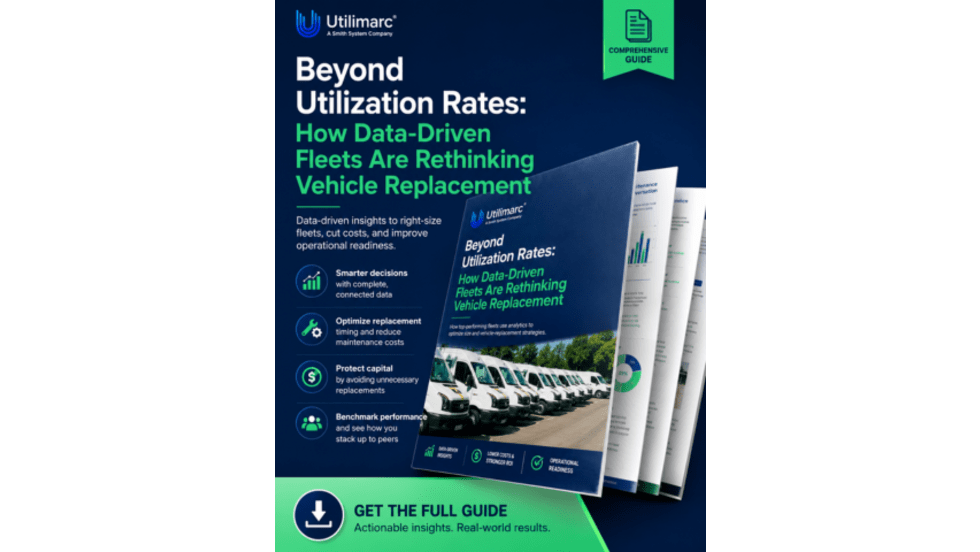
Beyond Utilization Rates: Smarter Fleet Replacement Decisions
Vehicle replacement decisions affect every aspect of fleet performance, from operating costs to asset availability. This guide explores how fleet leaders use integrated data, benchmarking, and lifecycle analytics to determine the right fleet size and optimize replacement timing with greater confidence.
Read More →