




Sprinter Charges Ahead
Since its introduction to the North American market two decades ago, European-style vans have become a mainstay in the fleet industry. The van that started it all in America continues forging into the future.

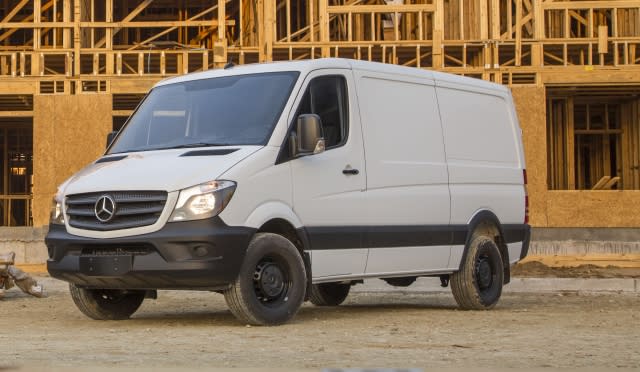
European-style vans, which were engineered for the narrow streets of Europe, adapt well to crowded urban environments. (Photo courtesy of Mercedes-Benz)
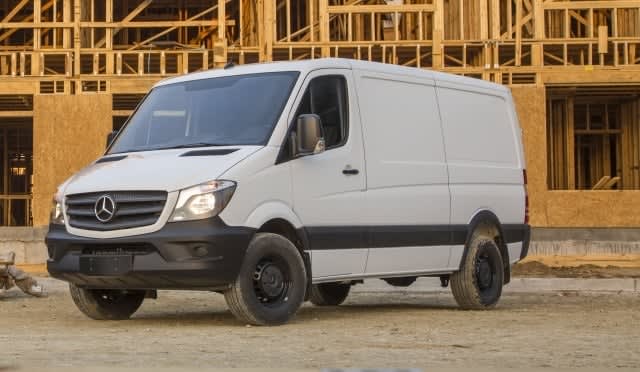
European-style vans, which were engineered for the narrow streets of Europe, adapt well to crowded urban environments. (Photo courtesy of Mercedes-Benz)
It is hard to believe the first Mercedes-Benz Sprinter vans debuted in North America almost 20 years ago. The move was considered a bold one: At the time, Daimler’s Freightliner division was beginning to make its opening bid to dominate the North American trucking industry, and needed a medium-duty vocational van offering to round out its product portfolio.
The Sprinter was a European mainstay, but a decided oddity by American standards. But Daimler executives felt American van designs were outdated, and Sprinter offered advantages that would appeal to medium-duty fleet owners operating in congested cities. And so, the first Sprinters, badged as Freightliner and Dodge (which was owned by Daimler at the time) models, were introduced.
It took time. Americans, after all, can be stubborn. But today, with European-style vans dominating the market, it looks like Daimler’s Freightliner bet has paid off in spades.
European Heritage
The inner values of the Sprinter were always apparent in terms of an agile and responsive driving experience, combined with excellent payload capabilities, combined with the ability to stand up inside the van — especially in high-roof versions, according to Mathias Geisen, general manager of Marketing and Product Management for Mercedes-Benz USA. Then, of course, there was Sprinter’s Old World European heritage, which yielded some solid benefits for New World American fleets.
“Due to narrow medieval streets in Europe, a narrower design was needed, and this ends up making for a more efficient package that also works in North America for narrow alleys and overall tight conditions on a construction site or in an urban delivery scenario,” Geisen said. “When combined with load-adaptive electronic stability (ESP), the higher stance remains stable on the road, greatly minimizing chances for tip-overs or spinouts.”
Modern Benefits
Geisen said Daimler was able to leverage its electronic capabilities across its entire vehicle portfolio to give Sprinter additional advantages over older American van designs.
“The addition of ESP is one example,” Geisen noted, “because it greatly reduces the chances of tipping and slip-outs. Keep in mind that Sprinter is equipped with load-adaptive ESP, meaning as the loads change on a daily and hourly basis, the van adjusts its stance and suspension and yaw parameters to ensure that it stays shiny side up and driving safely.”
When combined with Sprinter’s sophisticated direct steering, Geisen said the van proves to be a “great” daily driver that reduces fatigue and increases effectiveness, for both a local in-town tradesman/woman and long-haul courier and delivery services.
Another feature wasn’t exactly “new.” But, in a medium-duty market dominated by V-8 gasoline engines, the Sprinter’s economical diesel engine was a definite departure from American vans — one that proved to be timely as fuel prices began to climb over the next few years.
“Having more efficient diesel engines — especially with a responsive 7-speed transmission in the base four-cylinder version — has done well for us in terms of courier services and also city driving due to a responsive driving experience as well as fuel efficiency,” Geisen noted.
Thanks to many of the defining attributes first showcased by Sprinter, European vans account for more than half of all vocational models sold in North America today, and Geisen predicts that trend will accelerate.
“Fleets today are choosing ergonomics and modern driveability combined with a very sturdy package that can deliver lots of payload with Sprinter,” he said. “And, as technology and connectivity in the Sprinter improve, we will have a universal approach in a capable van package to help companies and customers be more efficient in every way possible.”
Originally posted on Work Truck Online
More Operations

How Fleets Can Recruit and Train Veterans for Technician Roles
Here's how the technician shortage has affected uptime for fleets, and what to do about it.
Read More →
Avis Budget Group Deploys Neology Toll Management Technology Across Major Brands
Neology’s neoFleet platform will manage toll transactions and toll-authority operations for vehicles across Avis, Budget, Payless, Budget Truck and Zipcar.
Read More →
Fleet Personal-Use Charges Edge Higher in 2026
Nearly eight in 10 surveyed fleets allow personal use of company vehicles, while just over half of respondents report charging employees for the privilege.
Read More →
The Future of Fleet + What’s Changing Right Now | AF News Recap
Could developments overseas offer a preview of what’s coming for U.S. fleets? This week, we’re looking at the future of AI, autonomy, and electrification, plus Ford Pro’s new certified pre-owned program, smarter vehicle offboarding, and a new way for fleets to manage toll expenses.
Read More →
How to Handle Vehicle Offboarding
What do fleet managers need to do when a driver leaves?
Read More →
Fleet Manager’s Ultimate Playbook: Navigating the New Standard in OEM Connectivity
Rising operating costs, driver safety concerns, and unplanned downtime are putting unprecedented pressure on modern fleets. Discover how fleet managers use embedded OEM connectivity and real-time vehicle data to cut TCO, prevent downtime, and protect drivers without aftermarket telematics hardware.
Read More →
U.S. Bank Adds Verra Mobility Toll Management to Voyager Fleet Platform
The integration allows U.S. Bank Voyager fleet customers to manage toll payments and violations alongside fuel, EV charging and maintenance expenses.
Read More →
ADAS Prevents Crashes. But Repairs Cost More | AF News Recap
ADAS-equipped vehicles may crash less often, but they can cost more when they do. This week, we’re breaking down what that tradeoff means for fleets, plus Subaru’s first Forester Wilderness Hybrid, Nissan’s new e-POWER Rogue, and why Calstart has become Catalyst Mobility.
Read More →
Moventum Fleet Management Names Mark Iorillo Head of Sales
Iorillo brings nearly 20 years of fleet management and sales experience to the role, including previous positions at Element Fleet Management, CEI, Donlen and Ryder.
Read More →
Fleet Has a Talent Pipeline Problem. What Comes Next? | AF News Recap
Where will fleet’s next generation of leaders come from? This week, we’re looking at the industry’s talent pipeline, what certification can add to a fleet career, how to build an award-worthy track record, and the return of Automotive Fleet’s Personal Use Survey.
Read More →