




Seattle Named No. 1 Government Green Fleet
Use of alternative fuels and advanced technology vehicles, as well as fuel reduction strategies and a Green Fleet coordinator, are some reasons the City of Seattle was recognized as the No. 1 Government Green Fleet in North America.
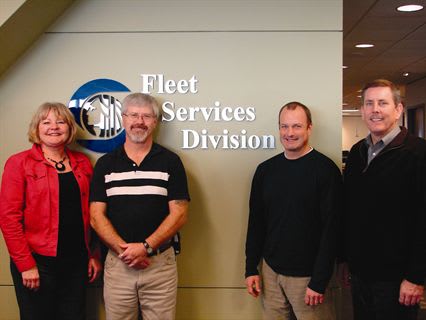
The City of Seattle recently earned the distinction of being selected as the No. 1 Government Green Fleet in North America, announced at the Green Fleet Conference in October 2010. A total of 40 government fleets were recognized.
The City's Green Fleet program was recognized for its excellent integration of alternative fuels into existing operations and comprehensive examination of where and how petroleum reduction policies and procedures could impact the fleet.
"The fleets in the contest are among the best in the country, and they all have a measurable and real commitment to greening and sustainability. To be the No. 1 fleet shows a superior effort to green the fleet from top to bottom," said Rhea Courtney Bozic of Clean Fuels Consulting, one of the contest judges.
Implementing Alternative Fuels
Seattle was an early adopter of biodiesel and compressed natural gas (CNG) and is currently negotiating a long-term contract for more than 1 million annual gallons of B-20 biodiesel derived from waste vegetable oil. The Environmental Protection Agency (EPA) has identified waste vegetable oil biodiesel as the lowest carbon-intense transportation fuel for diesel vehicles. The City is also investing in using electricity as a transportation fuel, a viable, low-carbon option for fleet operations.
Utilizing Advanced Technology Vehicles
Seattle operates 569 gas/electric hybrid vehicles and 12 diesel/electric medium-duty work trucks. The City is also currently installing the charging infrastructure to support the largest municipal all-electric motor pool fleet, which will consist of 26 Nissan Leaf vehicles. In addition, electric drivetrains are used in material handling equipment, campus maintenance equipment, utility meter reading, and parking enforcement.
Standardizing Fuel Reduction Policies
The City's Green Fleet Action Plan has guided fleet decisions since 2003. The City also has operational policies - idling, downsizing, right-sizing, and weight limitations - that set standards for fleet size and operator expectations. These policies and plans have resulted in the reduction of more than 100,000 gallons of fuel in four of the City's largest departments since 2008.
Increasing Operational Efficiencies
One of the unique features of the City's Green Fleet program is that the Green Fleet coordinator helps City departments evaluate how to deliver services more efficiently. Analyzing how a department delivers service provides great opportunities for fuel reduction, downsizing, and right-sizing of the fleet.
Promoting Education and Outreach
Information exchange is the hallmark of any successful program and to ensure employees stay informed, the City publishes a semi-annual Green Fleet newsletter and holds bi-monthly departmental fleet coordinator meetings. Fleet coordinators are representatives of the six largest City departments and are tasked with keeping departmental staff knowledgeable about Green Fleet efforts.
Click here for a complete list of the 40 government green fleets.
About the Author
Chris Wiley is Green Fleet coordinator for the City of Seattle. He can be reached at Chris.Wiley@seattle.gov.
More Green Fleet

EV Charging Use Is Outpacing Infrastructure Growth
ChargePoint’s 2026 Charging Forward Report points to rising charger use, higher-powered charging, commercial vehicle electrification, and energy-management technology. Here’s what fleets should know.
Read More →
Merchants Fleet Reports 290M EV Miles as Fleets Navigate Changing Electrification Market
From millions in operating savings to hundreds of millions of EV miles, Merchants Fleet’s latest report reveals what’s working and what’s changing in fleet electrification.
Read More →
The EV Breakdown Nobody's Talking About: Why Most Electric Vehicle Roadside Calls Aren't Mechanical Failures
Here's why EV breakdowns are widely misunderstood.
Read More →
ChargePoint Now Available in Energy Pass
ChargePoint and additional planned charging network integrations were added to GM's Energy Pass.
Read More →

First Look: Slate Auto's Electric Fleet Pickup
Could an affordable, modular EV pickup make electrification more practical for fleets?
Read More →
Slate Debuts Colorful, Unique EV Models
A recent media and client event, studded with electric vehicles dressed up on platforms, planted a new position for the manufacturer in the wider EV market. Fleets will find cost-saving advantages.
Read More →
Slate Electric SUV, Pickup Switchable Model Aims For Light-Duty Fleets
Everything about this EV is counterintuitive and understated, making it stand out from the crowd.
Read More →
Inspiration Mobility Acquires Key Electrada Assets
Inspiration Mobility Group has acquired select assets of Electrada, adding the fleet electrification provider's team, technology, and charging infrastructure development capabilities to its energy management business.
Read More →
Turning Connected Vehicle Data Into Decisions That Matter
Fleet leaders have more data than ever, but turning that data into clear, actionable decisions remains a challenge. This white paper shows how leading organizations are using connected vehicle data to improve safety, reduce costs, and optimize fleet performance. Learn how to turn insight into action across your fleet.
Read More →