




Scarcity of Data on Plug-in Electrics Makes Fleet Decision-Making Difficult
In a recent plug-in electric vehicle survey, fleet managers responded that they did not feel they had the necessary data to make an informed decision, and only 35 percent saw a plug-in electric vehicle as a good fit for fleet.
Results of a plug-in electric vehicle survey show fleet managers felt they didn't have enough data to make informed decisions about plug-in electric vehicles. The brief survey was designed to better understand fleet managers' future use and application of plug-in electric vehicles, according to Donlen, a fleet leasing and management company.
"Plug-in electric vehicles are a viable option to help companies reduce carbon and cost. However, our GreenKey survey showed that more than 60 percent of respondents felt they did not have the necessary data to make an informed decision," said Dan Hannan, Donlen's senior vice president of sustainability and product development.
Low Likelihood of Electric Vehicle Purchases
Nearly 65 percent of respondents said they were "not likely" to purchase a plug-in electric vehicle, with the majority of respondents preferring a hybrid vehicle over plug-in hybrids and plug-in electrics. Most fleets were not currently focused on plug-in electric vehicle use due to a lack of data available for fleet to make a decision regarding their use, according to the survey.
Other areas of concern were cost, limited driving range per charge, fit for fleet application or load capacity, and battery life, among others. Ninety-eight percent of respondents stated they would order 25 or fewer plug-in electric vehicles within the next year.
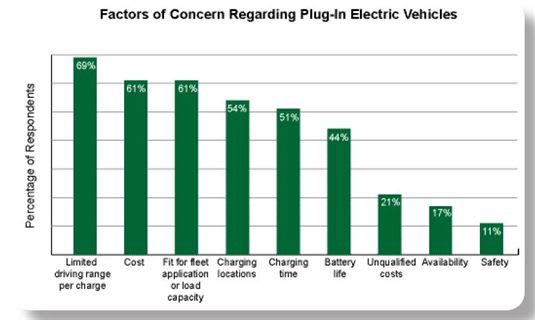
Plug-In Vehicles Potential Fit for Sales Applications
Those respondents who saw a plug-in electric vehicle as a potential opportunity responded they considered the plug-in electric a way to reduce operating costs and emissions, improve corporate image, and decrease dependence on foreign oil.
Thirty-five percent of respondents saw a plug-in electric vehicle as a good fit for sales application drivers, with 25 percent of respondents targeting service drivers. More than 25 percent of respondents would target the Midwest region as the starting point for use of plug-in electric vehicles, while the majority would consider multiple regions.
More than 46 percent of respondents would charge their electric vehicles at an office location, while 33 percent would charge their vehicles at home.
Ultimately, the majority of respondents did not consider plug-in electric vehicles a short-term solution. The lack of data surrounding operating cost, emissions, vehicle specifications, pricing, resale values, and fuel efficiency cloud the potential benefits.
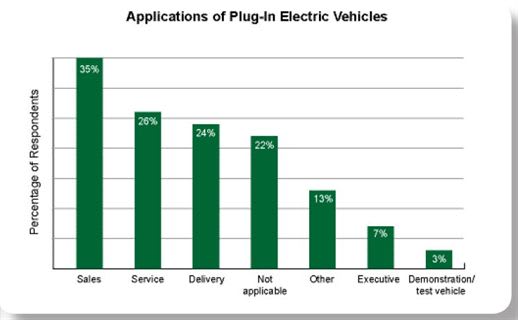
Calculating Electric Vehicle Costs
To assist fleets make decisions around plug-in electric vehicle use, Donlen GreenKey built the Electric Vehicle Cost Calculator (EVCC), which can help fleets understand operating costs and the environmental impact of an electric vehicle. For more information about the survey, the Electric Vehicle Cost Calculator, or services offered by Donlen GreenKey consultants, visit www.donlengreenkey.com.
More Green Fleet
New Propane Autogas Program Offers Fleet Compensation
Qualified commercial fleets can receive $7,500 per eligible propane autogas vehicle and up to $10,000 for new refueling site prep. Learn how the program works and see whether your fleet qualifies.
Read More →
EV Charging Use Is Outpacing Infrastructure Growth
ChargePoint’s 2026 Charging Forward Report points to rising charger use, higher-powered charging, commercial vehicle electrification, and energy-management technology. Here’s what fleets should know.
Read More →
Merchants Fleet Reports 290M EV Miles as Fleets Navigate Changing Electrification Market
From millions in operating savings to hundreds of millions of EV miles, Merchants Fleet’s latest report reveals what’s working and what’s changing in fleet electrification.
Read More →
The EV Breakdown Nobody's Talking About: Why Most Electric Vehicle Roadside Calls Aren't Mechanical Failures
Here's why EV breakdowns are widely misunderstood.
Read More →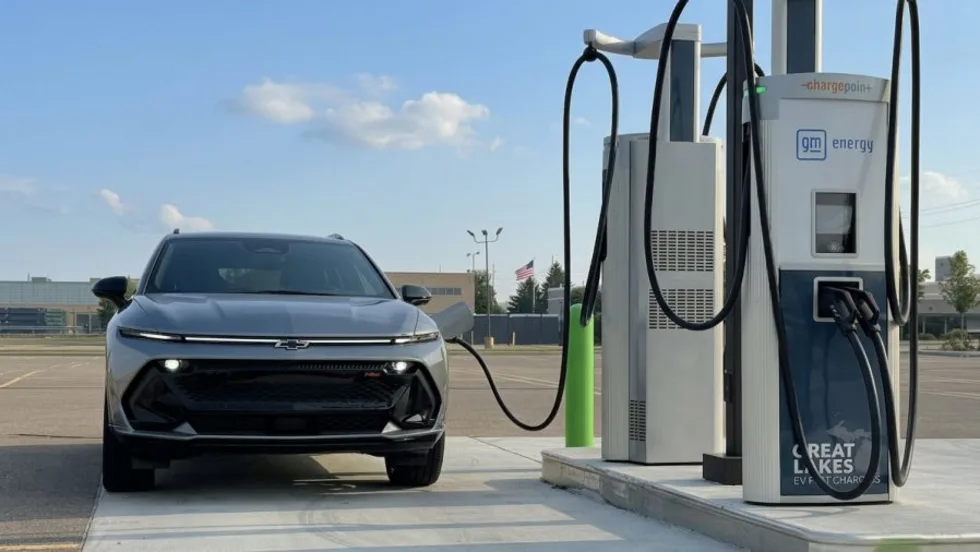
ChargePoint Now Available in Energy Pass
ChargePoint and additional planned charging network integrations were added to GM's Energy Pass.
Read More →

First Look: Slate Auto's Electric Fleet Pickup
Could an affordable, modular EV pickup make electrification more practical for fleets?
Read More →
Slate Debuts Colorful, Unique EV Models
A recent media and client event, studded with electric vehicles dressed up on platforms, planted a new position for the manufacturer in the wider EV market. Fleets will find cost-saving advantages.
Read More →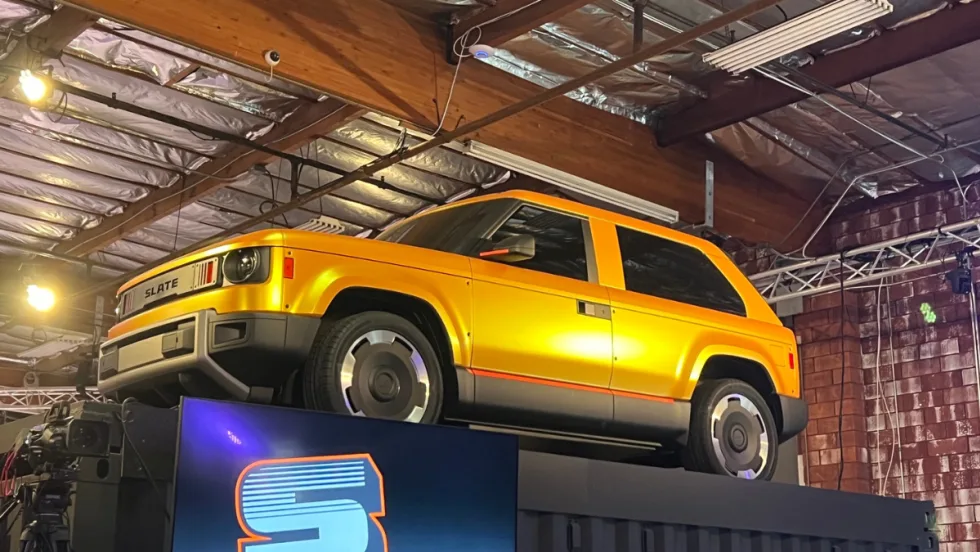
Slate Electric SUV, Pickup Switchable Model Aims For Light-Duty Fleets
Everything about this EV is counterintuitive and understated, making it stand out from the crowd.
Read More →
Inspiration Mobility Acquires Key Electrada Assets
Inspiration Mobility Group has acquired select assets of Electrada, adding the fleet electrification provider's team, technology, and charging infrastructure development capabilities to its energy management business.
Read More →