




Record-High Fuel Prices Give Fleets a Sobering Reality Check
The breathtaking escalation in gasoline and diesel prices has given the fleet industry a reality check as to how quickly fuel can dramatically increase vehicle-operating expenses. In the first five months of 2004, the price of a gallon of regular unleaded gasoline increased almost 30 percent, which represents, on an annualized basis, an average increase of almost $600 per vehicle, based on driving 2,000 miles a month.


The breathtaking escalation in gasoline and diesel prices has given the fleet industry a reality check as to how quickly fuel can dramatically increase vehicle-operating expenses. In the first five months of 2004, the price of a gallon of regular unleaded gasoline increased almost 30 percent, which represents, on an annualized basis, an average increase of almost $600 per vehicle, based on driving 2,000 miles a month. The wild upward swing in fuel prices has caused all commercial and government fleets to substantially exceed budgeted fuel costs. What has exacerbated today’s situation is that the spike in fuel prices was much larger than anticipated, and it occurred after many fleets had already finalized their operating budgets. Besides refueling expense, the increased cost of petroleum is affecting other operating expenses. For instance, Bridgestone announced that it will raise tire prices 5 percent in June because it’s paying more for the petroleum to make tires and it is spending more for diesel to truck the tires to its dealers around the country.
Compensatory Strategies
Fuel is the largest operating expense, representing about 60 percent of an average fleet’s operating costs. For mega-fleets, fuel price volatility substantially increases the cost of doing business. For instance, Federal Express paid an additional $38 million to fuel its 33,813 vehicles (and planes) for the three months ending in February than it did the same period last year. Another example is Truly Nolan, a Tucson, Ariz., pest control company operating approximately 950 vehicles, which has seen its fuel cost increase 40 percent over last year. It is projected that this will cost the company an additional $650,000 in 2004. Companies are adopting compensatory strategies such as consolidating trips, re-routing deliveries, limiting truck idling time, etc. Fleet managers are encouraging drivers to be “street smart” and refuel at the most economical stations. In addition, fleet managers are keeping closer tabs on personal mileage usage to avoid paying for non-business-related fuel expenditures. Other businesses are passing the increased costs to customers by adding fuel surcharges to products and services. Many fleet managers are conducting lifecycle analysis scenarios to determine how much they can lower fuel costs by acquiring more fuel-efficient vehicles. Some are finding that the savings can be substantial. A 500-unit fleet, driving 10 million miles per year, will burn 500,000 gallons of gas at 20 mpg. Assuming an average cost of $1.80 per gallon, an increase of only one mile per gallon in fuel economy will reduce fuel costs by nearly $43,000 annually.
Impact on Government Fleets
Increased fuel costs are also adversely affecting public service fleets. For instance, the city of Milwaukee budgeted $4 million for fuel in 2004 for the city’s fleet of 3,100 vehicles. But since then, gas prices increased about 30 percent, which potentially can cost the city of Milwaukee an additional $1.2 million that was unbudgeted. It is difficult for public sector fleets to cut back on fuel consumption. Taxpayers demand that garbage be picked up, streets be patrolled, and fire and ambulance services respond to emergency calls. In a tight budget year, government department heads will be forced to reduce spending in other areas. In terms of fleet, this often means deferring capital expenditures for new-vehicle acquisitions.
Infrastructure Weakness
What complicate matters are the pre-existing weaknesses in the nation’s fueling infrastructure. Regulations and public pressure are such that it has been impossible to build an all-new refinery in the U.S. since the mid-1970s. This has resulted in limited refining capacity, especially for the production of reformulated gasoline, which has increased the frequency of spot shortages. For instance, California fuel prices are volatile because there are few sources of its unique blend of gasoline outside the state. California refineries need to run at near full capacity in order to meet the state’s fuel demands. If more than one of its refineries experiences downtime at the same time, California’s gasoline supply becomes very tight and prices soar. Similarly, few refineries outside the Midwest produce ethanol reformulated gasoline, making the Midwest vulnerable to price spikes when supply problems occur, especially during the summer when inventories are at their lowest. With this being the case, all the necessary ingredients are in place for fleets to continue to experience an ongoing roller coaster-like volatility in the price of fuel in the coming years.
Let me know what you think.
mike.antich@bobit.com
More Operations
What Fleet Managers Really Want From Vendors
From customer service frustrations and technology breakdowns to RFQs, change management, and the growing impact of turnover across the industry, this conversation pulls back the curtain on the real operational challenges fleet managers are navigating every day.
Read More →
Fleet Safety Masterclass: Industry Leaders on Storytelling, Strategy & Innovation
In this special masterclass episode, industry leaders break down what it really takes to build safer fleets in today’s increasingly distracted and data-driven world.
Read More →
Integrating Legacy Fleet Systems and Historical Data
In this episode, we bring together fleet and technology leaders to unpack the realities of data integration, system migrations, and the evolving role of AI in fleet management.
Read More →


From Resistance to Results: Change Management Strategies for Fleets
From new technologies and safety programs to evolving regulations, fleets are under constant pressure to adapt. But as Dr. Betz explains, success isn’t about the system you implement—it’s about whether your people actually use it.
Read More →
Where We're Headed: A Practical Look at AI in Fleet
Discover how AI is actually being deployed in fleets, not just marketed, including practical use cases and emerging risks.
Read More →
How Coca-Cola United Protects Its Fleet from Growing Legal Risk
Growing legal exposure can put fleets at risk. Here's one company's approach.
Read More →
Fleet Managers Think They Understand Their Costs. The Data Says Otherwise.
Most fleet managers say they have a strong handle on their costs, but new research from Bobit Business Media tells a different story. A 2026 survey of 190 fleet professionals reveals a widespread "confidence gap" where fragmented systems, disconnected data, and delayed reporting are leaving major blind spots hidden beneath the surface. Find out what the data actually shows.
Read More →
Cameras, Safety and Insurance: From Reactive Claims to Real-Time Prevention (Part 2 of 2)
Part Two: Commercial auto remains one of the most challenging and costly lines of coverage for fleet operators and insurers alike. Continue learning more about how to effectively address these issues from Onur Aksan, Enterprise Business Development Executive, Geotab
Read More →
New Trucks, AI & Summer Downtime | AF News Recap
From new truck updates to AI-powered driver coaching and summer maintenance tips, this week's fleet headlines are all about keeping things moving.
Read More →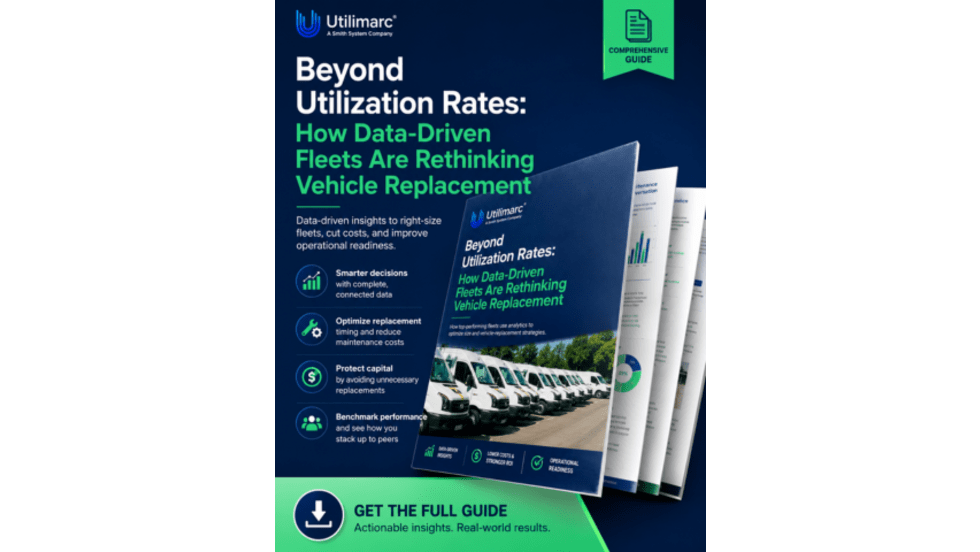
Beyond Utilization Rates: Smarter Fleet Replacement Decisions
Vehicle replacement decisions affect every aspect of fleet performance, from operating costs to asset availability. This guide explores how fleet leaders use integrated data, benchmarking, and lifecycle analytics to determine the right fleet size and optimize replacement timing with greater confidence.
Read More →