




Public Sector Fleets:Who Should Be Your Boss?
To whom should fleet report? This question elicits spirited and opposing recommendations. One reason is that Fleet Operations is crucial to fulfilling the mission of many users. Fleet Operations services all facets of government ranging from separate taxing agencies such as Fire and Police, to enterprise funds such as utilities and solid waste. One of the largest customers is Public Works, a key reason why many fleet managers report to its director.


To whom should fleet report? This question elicits spirited and opposing recommendations. One reason is that Fleet Operations is crucial to fulfilling the mission of many users. Fleet Operations services all facets of government ranging from separate taxing agencies such as Fire and Police, to enterprise funds such as utilities and solid waste. One of the largest customers is Public Works, a key reason why many fleet managers report to its director.
However, there are valid arguments against having Fleet Operations report to the manager of an operating department, such as Public Works. One reason is the perception of other user departments that fleet will give priority to its parent organization for service and funding. In reality, this is more the exception than the rule. “While it is possible that an unscrupulous director may seek to exert undue influence, the more common problem is the perception among other customers that it does occur, even when it doesn’t,” said Chris Amos, CAFM, commissioner of equipment services for the City of St. Louis, Mo.
The rebuttal is that Public Works, due to the size of its fleet, has a better understanding (and appreciation) of Fleet Operations than other departments. There is also a dollars and cents advantage to reporting to Public Works, in that it tends to pay fleet managers better than do other departments since the success of its mission is predicated on a well-managed fleet.
Operating Versus Non-Operating Department
Those who believe fleet should not report to an operating department say one alternative is to report to General Services. This would avoid a perceived conflict of interest and provide fleet managers better access to vehicle-replacement capital funds because General Services typically controls the budget. However, the same arguments against reporting to an operating department, such as Public Works, can also be made against reporting to General Services. Although not an operating department, General Services is usually comprised of divisions that operate fleets such as Facilities Management, Security, Parking, and Communication, which can also create a perception of favoritism.
One way to mitigate this customer perception, regardless to which department you report, is to establish a Fleet Executive Committee that includes representatives from other user departments who will have input on fleet policy. “This will eliminate the request for exceptions from users,” said Amos.
Another concern pointed out by Charlie Masco, operations manager for Clark County in the state of Washington, is that it is not uncommon for General Services funds earmarked for vehicle replacement to be “raided” when budgetary shortfalls occur. Plus, the General Services director often does not have “user expertise” to support recommendations made by the fleet manager. “Equipment purchases or replacement recommendations may be looked at strictly from a cash-only viewpoint, not recognizing the increases in productivity, safety, and reduced downtime that can be gained,” said Jim Wright, president of Fleet Counselor Services, a fleet consulting company in Mesa, Ariz.
Restructuring Fleet as a Stand-Alone Department
What operating and non-operating departments have in common is that they all report to a chief executive or to a member of his or her staff, such as an assistant city manager or deputy county manager. Some advocate that the fleet manager report to this individual. This is the case with Polk County in Florida. “I am accountable to the very top of our organization,” said Bob Stanton, fleet management director for Polk County. “Broad issues such as vehicle utilization, fleet policy, safety, and funding, which affect the fleet’s entire customer base, are expedited as a result of this reporting structure. Turf battles are eliminated and needed action occurs faster and more expeditiously.”
John McCorkhill, fleet manager for the City of Lynchburg, Va., agrees. “When the fleet manager reports to the mayor’s office or the city manager’s office, customers have a reassurance of impartiality on the part of fleet operations.”
Wright advocates that a fleet of more than 2,000 pieces of equipment managed by a staff of 40-60 employees with a $15-$25 million annual budget be restructured as a stand-alone department. Other fleet managers share this assessment. “I also believe that fleet should be a department of its own,” said Doug Weichman, CAFM, director of fleet management in Palm Beach County, Fla. “In the 1980s, IT, purchasing, and risk management were normally in General Services, but now most have become stand-alone departments.” Another advocate of this position is Steve Drinovsky, fleet manager for Palm Springs, Calif. “Managing a standalone department would create a peer relationship between the fleet manager and other department heads and improve communication regarding fleet issues.”
Regardless to whom the fleet manager reports, he or she should not forget the fleet department’s reason for existence — to support the mission of each user department. “Our failure to do so means that we have failed to do our jobs,” said Bill DeRousse, fleet manager for the City of Everett, Wash. “The bottom line is that it does not matter where we are assigned within any municipality. What matters is that we know, respect, and understand the mission of our customers.”
Let me know what you think.
More Operations

How Coca-Cola United Protects Its Fleet from Growing Legal Risk
Growing legal exposure can put fleets at risk. Here's one company's approach.
Read More →
Fleet Managers Think They Understand Their Costs. The Data Says Otherwise.
Most fleet managers say they have a strong handle on their costs, but new research from Bobit Business Media tells a different story. A 2026 survey of 190 fleet professionals reveals a widespread "confidence gap" where fragmented systems, disconnected data, and delayed reporting are leaving major blind spots hidden beneath the surface. Find out what the data actually shows.
Read More →
Cameras, Safety and Insurance: From Reactive Claims to Real-Time Prevention (Part 2 of 2)
Part Two: Commercial auto remains one of the most challenging and costly lines of coverage for fleet operators and insurers alike. Continue learning more about how to effectively address these issues from Onur Aksan, Enterprise Business Development Executive, Geotab
Read More →


New Trucks, AI & Summer Downtime | AF News Recap
From new truck updates to AI-powered driver coaching and summer maintenance tips, this week's fleet headlines are all about keeping things moving.
Read More →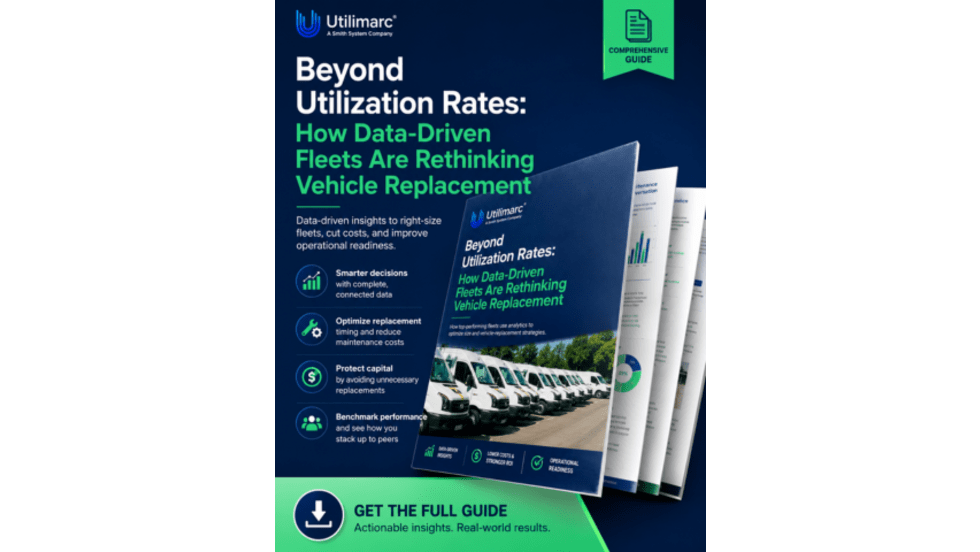
Beyond Utilization Rates: Smarter Fleet Replacement Decisions
Vehicle replacement decisions affect every aspect of fleet performance, from operating costs to asset availability. This guide explores how fleet leaders use integrated data, benchmarking, and lifecycle analytics to determine the right fleet size and optimize replacement timing with greater confidence.
Read More →
Slate Debuts Colorful, Unique EV Models
A recent media and client event, studded with electric vehicles dressed up on platforms, planted a new position for the manufacturer in the wider EV market. Fleets will find cost-saving advantages.
Read More →
Element, Waymo Partner on Autonomous Fleet Operations
The multi-year agreement will support fleet management services for Waymo's autonomous ride-hailing operations, beginning in San Diego.
Read More →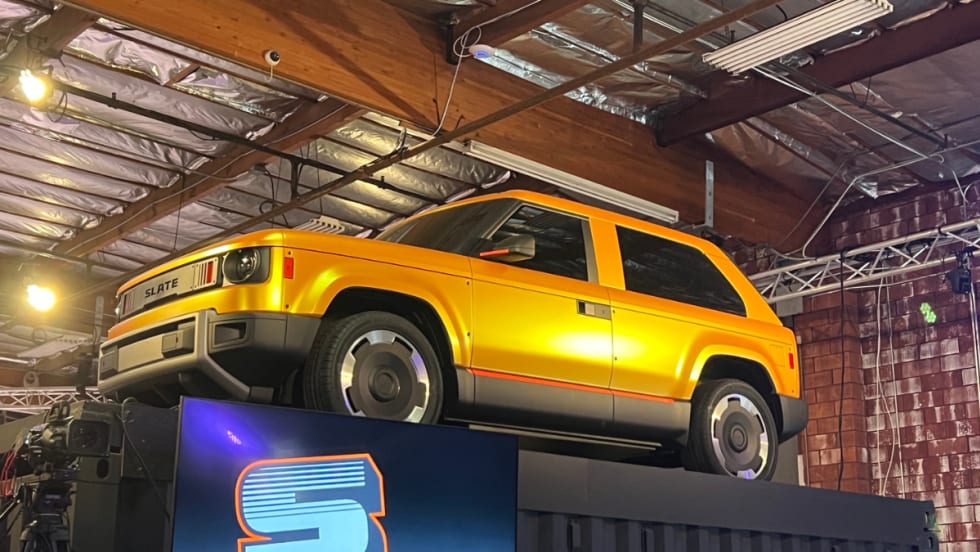
Slate Electric SUV, Pickup Switchable Model Aims For Light-Duty Fleets
Everything about this EV is counterintuitive and understated, making it stand out from the crowd.
Read More →
How to Manage Conflict for Your Fleet Operations
Conflict management is becoming a core leadership skill. Here are five strategies fleet leaders should know.
Read More →
Turning Connected Vehicle Data Into Decisions That Matter
Fleet leaders have more data than ever, but turning that data into clear, actionable decisions remains a challenge. This white paper shows how leading organizations are using connected vehicle data to improve safety, reduce costs, and optimize fleet performance. Learn how to turn insight into action across your fleet.
Read More →