




PG&E Electrifies Its Sustainability Efforts
The San Francisco-based energy provider expanded its electric vehicle charging efforts and released a Class 5 plug-in hybrid electric bucket truck.

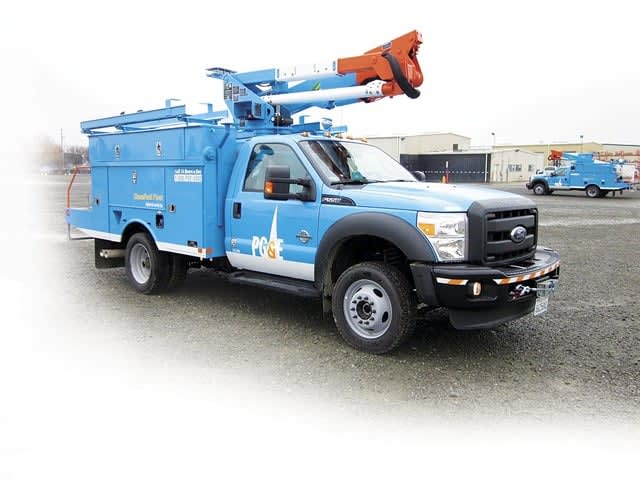
PG&E’s Class 5 plug-in hybrid electric bucket truck, developed in partnership with Efficient Drivetrains Incorporated (EDI), features up to 40 miles all-electric range. Photo courtesy of PG&E.
San Francisco-based energy provider Pacific Gas and Electric Company (PG&E) has a formidable alternative fuel fleet: The company, which provides utility services to most of the northern two-thirds of California, has approximately 3,400 alternative-fuel vehicles — around 1,500 biodiesel, 800 natural gas, and 1,100 electric-based (hybrid, plug-in hybrid, or battery electric).
According to Dave Meisel, PG&E’s senior director of transportation and aviation services, when analyzing whether or not implementing an alternative fuel is a good choice for an area of the company’s fleet, PG&E takes four considerations into account: if it fits the need of the business, if there are durability or reliability issues with the product, emissions, and total cost of ownership (TCO).
“We always look to be practical,” Meisel said.
PG&E has particularly focused on two alt-fuel related projects over the past year: the expansion of its electric vehicle (EV) charging infrastructure and the Class 5 plug-in hybrid-electric bucket truck.
Promoting EV Charging
One area of sustainability that PG&E has focused on is the expansion and implementation of EV charging infrastructure in California.
PG&E has proposed the building of 25,000 public EV chargers throughout California. And, along with San Diego Gas & Electric and Southern California Edison — the two other major investor-owned utility providers in California — it is waiting for approval from the California Public Utilities Commission to install the charging infrastructure, although approval is expected, according to Meisel.
“It’s hard to sell the vehicles without the infrastructure. It’s hard to pay for infrastructure when there are no vehicles. So, it is a vicious circle. But, I think the utilities and the commission have figured out that, before you can ask people to buy vehicles, you have to be able to fuel them. Investing in the infrastructure is what all the utilities are requesting now. Let’s build the infrastructure and then the vehicles will come,” Meisel said.
The company is also leading by example, by increasing EV charging infrastructure for its workforce. PG&E is committing $3 million per year over the next three years to install employee charging infrastructure, according to Meisel.
“We started putting in electric vehicle infrastructure for our employees and our company cars and made it dual-purpose. We’ve seen our independent charging sessions improve from about 600 a day one year ago to almost 2,500 today. It’s gone up 400 percent over the past 12 months,” he said.
According to Meisel, this achievement is due to an increase in both the number of vehicles with electric technology and the number of charging stations PG&E owns.
‘Greening’ a Utility
In addition, PG&E released its Class 5 plug-in hybrid-electric bucket truck in the fall of 2014, which the company developed in partnership with Efficient Drivetrains Incorporated (EDI). The truck features up to 40 miles of all-electric range, along with a next-generation electric power take-off (ePTO) system that allows crews to operate the bucket and auxiliary systems without having to idle the engine, reducing emissions and noise.
“We took our shaft-driven PTO and made it electric. Now, our hydraulic system runs off of an electric pump as opposed to a shaft-driven pump. We also put electric heat and air conditioning in the cab and ran the lighting and tool circuit off a battery. So, right now our bucket trucks have that technology in them. And, we’ve taken idling from four to six hours a day to basically zero,” Meisel said.
The truck also offers up to 120 kilowatts of exportable power — enough to power a neighborhood while electric crews make repairs.
Ultimately, for PG&E, the use of electric-based vehicles in its fleet is a no-brainer.
“We believe electric transportation is the right thing, not only for the environment, but for our country. And, electricity, particularly in California, is incredibly clean from a generating mode. So, we like to say we like the idea of producing clean energy to drive clean transportation,” Meisel said.
More Green Fleet
New Propane Autogas Program Offers Fleet Compensation
Qualified commercial fleets can receive $7,500 per eligible propane autogas vehicle and up to $10,000 for new refueling site prep. Learn how the program works and see whether your fleet qualifies.
Read More →
EV Charging Use Is Outpacing Infrastructure Growth
ChargePoint’s 2026 Charging Forward Report points to rising charger use, higher-powered charging, commercial vehicle electrification, and energy-management technology. Here’s what fleets should know.
Read More →
Merchants Fleet Reports 290M EV Miles as Fleets Navigate Changing Electrification Market
From millions in operating savings to hundreds of millions of EV miles, Merchants Fleet’s latest report reveals what’s working and what’s changing in fleet electrification.
Read More →

The EV Breakdown Nobody's Talking About: Why Most Electric Vehicle Roadside Calls Aren't Mechanical Failures
Here's why EV breakdowns are widely misunderstood.
Read More →
ChargePoint Now Available in Energy Pass
ChargePoint and additional planned charging network integrations were added to GM's Energy Pass.
Read More →

First Look: Slate Auto's Electric Fleet Pickup
Could an affordable, modular EV pickup make electrification more practical for fleets?
Read More →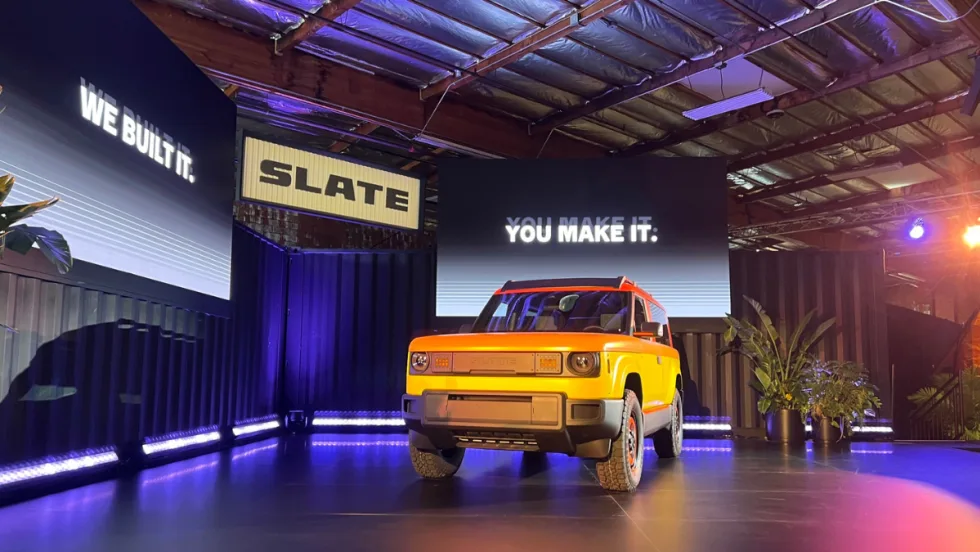
Slate Debuts Colorful, Unique EV Models
A recent media and client event, studded with electric vehicles dressed up on platforms, planted a new position for the manufacturer in the wider EV market. Fleets will find cost-saving advantages.
Read More →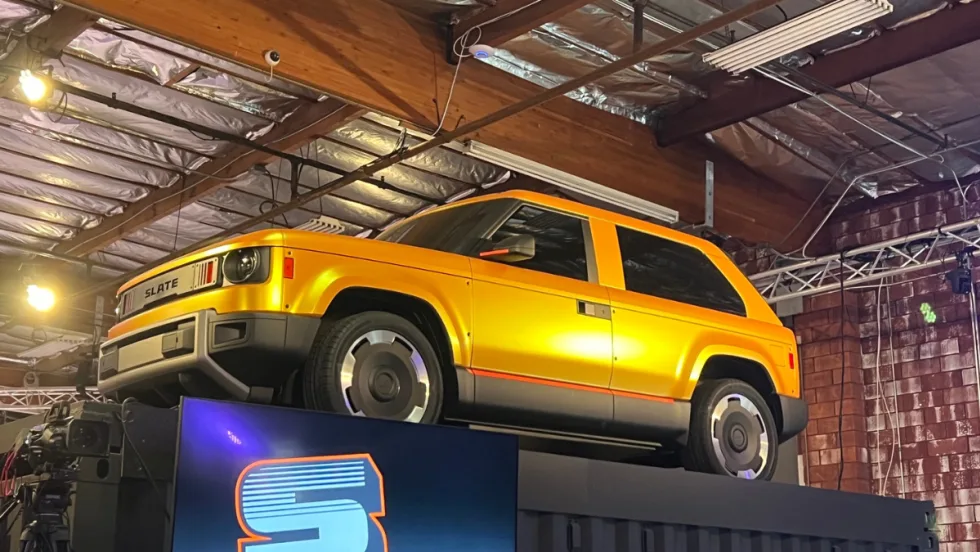
Slate Electric SUV, Pickup Switchable Model Aims For Light-Duty Fleets
Everything about this EV is counterintuitive and understated, making it stand out from the crowd.
Read More →
Inspiration Mobility Acquires Key Electrada Assets
Inspiration Mobility Group has acquired select assets of Electrada, adding the fleet electrification provider's team, technology, and charging infrastructure development capabilities to its energy management business.
Read More →