




Nestle Bolsters Fleet Value by Improving Processes and Leveraging Size
Leading nutrition, health, and wellness company Nestlé saved more than 300,000 gallons of fuel, reduced emissions by more than 15 percent, and produced an annual savings of $1.2 million.

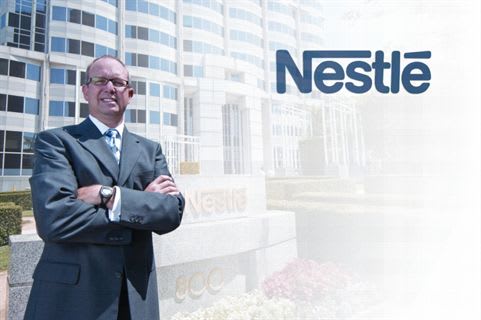
As one of the world's leading nutrition, health, and wellness company, Nestlé employs more than 280,000 people and has 456 factories situated in 84 countries. Its products are sold in almost every country across the globe.
And as a worldwide leader in product categories such as soluble coffee, infant nutrition, bottled water, condensed and evaporated milk, ice cream, chocolate and malt drinks, and culinary, Nestlé's sales force depends on its fleet of vehicles to reach existing and prospective clients.
Thanks to a strong partnership with its fleet management company, implementing cost-saving initiatives, and continually leveraging its size, Nestlé recently saved more than 300,000 gallons of fuel and reduced emissions by more than 15 percent, leading to an annual savings of $1.2 million.
Nestlé operates more than 5,000 vehicles in the U.S. and Canada, with worldwide numbers close to 29,000 units. The company structure features a mix of fleet managers and cross-functional responsibilities involving fleet. Typically, a Nestlé manager who watches over his or her operating company's fleet is also responsible for other areas such as facilities, finance, and human resources.
Operating companies include Dreyer's Grand Ice Cream, Nestlé USA, Nestlé Nutrition, and Nestlé Waters.
Diverse Worldwide Fleet Team Remains Proactive
Helping keep a handle on fleet policy and costs is Dean Yerem, purchasing manager for Nestlé Business Services - North America. He supports many fleet managers throughout the company to bring value to the fleet and those managers.
According to Yerem, this value primarily lies in processes, cost savings, and continually leveraging Nestlé's size. A recent example of Yerem's impact unfolded in 2008 with a change in Nestlé's selector list.
"Last year, with high gas prices and given the makeup of the fleet, we decided to take measures to continue to provide our sales force with a safe, comfortable, reliable vehicle while at the same time taking measures to reduce the cost of fuel and the overall capital cost," he said.
Yerem achieved these results by moving all vehicles on his selector list to four-cylinder models.
"By doing this, we were able to show some significant improvements in all these important factors," he said. "And at the same time, this allowed us to be proactive on a 'green' level and reduce CO2 emissions."
The fleet team has also reviewed different technologies involving mapping and productivity enhancements. In addition, they were able to gain wins internally by promoting eco-driving tips and utilizing quarterly newsletters to continually educate drivers on safe and fuel-efficient driving.
Nestlé Companies Make a Positive Environmental Impact
While many different operating companies within Nestlé use their own selector lists, the fleet primarily draws upon the Chevrolet Malibu and Impala, Buick Lucerne, Saturn VUE and Aura, and the Pontiac Vibe.
Liz Paton, director of Human Resources Corporate Initiatives for Nestlé Canada, manages 550 vehicles, including the Dodge Journey and Chevrolet Malibu and Uplander. Paton partners with Yerem on supplier negotiations and consolidation of services.
Paton, a 10-year fleet veteran, emphasized the decision to move to four-cylinder vehicles positively impacted her fleet.
"In 2009, the decision was taken to move from six-cylinder minivans to the more economical four-cylinder Dodge Journey (for sales reps and managers) and four-cylinder vehicles for all levels of selector vehicles," she said. "This was not only an economical option, but also an environmental initiative."
Nestlé Waters North America also remains proactive on the green front. The company has installed 32 GenDrive hydrogen fuel cells, purchased in 2008 from Latham, N.Y.-based Plug Power, to use at its Dallas bottling facility. With that move, Nestlé Waters has converted its entire fleet of sit-down counterbalanced lift trucks from internal combustion engines powered by liquid petroleum gas to Yale Class 1 electric lift trucks powered by GenDrive power units.
Nestlé Waters evaluated both hydrogen fuel cells and lead-acid batteries as potential replacements for its current fuel source. However, Plug Power's GenDrive technology allowed the company to make the full site conversion without incurring the heavy labor and equipment costs associated with buying, storing, maintaining, and changing batteries. With lower operational costs than the incumbent technologies, fuel cell systems also allow for increased worker productivity.
Pennsylvania-based Air Products has signed a long-term agreement with Nestlé Waters to supply hydrogen and hydrogen fueling station technology for the Dallas facility. The fueling infrastructure consists of an outdoor liquid hydrogen storage and compression system, as well as multiple indoor fuel dispensers for operator refueling. The GenDrive power units can be quickly refueled by the lift truck operator in less than five minutes, completely eliminating lead-acid batteries and the related charging and storing infrastructure.
Fleet Team Uses Strengths to Improve & Move Forward
Because the main vehicle function at Nestlé involves the company's sales force, fleet is an important tool for Nestlé's sales structure. Additionally, because sales and operations are the lifeblood of the organization, Yerem's primary goal is to ensure the sales force has the proper vehicles to get the job done effectively and efficiently.
"Nestlé has a long, rich tradition, and our fleet helps us maintain our goal of being the very best nutrition, health, and wellness company in the United States," Yerem said.
Utilizing the strengths of Nestlé's fleet allows management to continually improve operations and proactively look ahead to future initiatives, maximizing value.
"When we implemented the green initiative last year, everyone saw the value and where the company was going in regard to saving fuel, reducing emissions, and looking at our overall footprint," Yerem explained.
He also pointed out that Nestlé emphasizes maximum communication within its fleet operations, with online reporting, monthly floor meetings, and periodic newsletters that cover all aspects of the company.
"Fleet has played a part in that as well, as we publicize our successes and communicate new projects like safety program enhancements and becoming connected globally," Yerem said.
Nestlé's fleet team also strives for innovation and technical efficiencies. In fact, last year, a Nestlé operating company moved to online ordering, resulting in a significant improvement over the previous method.
"It saved the time of the driver, in addition to the administrative burden of the HR and fleet managers themselves," Yerem said. "Plus, we took great strides in putting compliance triggers in the process to enable managers to have approvals and visibility."
Yerem also pointed out that Nestlé's independent operating companies have the ability to act "as one" and share each other's experiences and best practices.
"It is almost like we can internally benchmark against ourselves," he said. "We have open communication lines, and with the sharing of each other's knowledge, we are continually improving."
[PAGEBREAK]
An Innovative Mindset Leads to Operational Efficiencies
Another technical efficiency making an impact within one Nestlé operating company occurred when Nestlé Waters North America deployed I.D. Systems Inc.'s PowerFleet vehicle management system (VMS) at two of its sites, with expansion planned to more than 100 sites globally.
The program implementation's main goals included improving supply chain productivity and maximizing the safety, efficiency, and productivity of the company's material handling activities.
Wireless VMS is designed to improve supply chain productivity by establishing accountability for equipment use, ensuring equipment is in the proper place at the right time, streamlining material handling work flow, and providing unique metrics on equipment utilization.
A wireless VMS also helps reduce fleet maintenance costs by automatically uploading vehicle data, reporting vehicle problems electronically, scheduling maintenance according to actual vehicle usage rather than by calendar or manual data entry, and helping determine the optimal economic time to replace equipment.
The system implemented for Nestlé Waters is tailored for its corporate needs, including an enterprise-oriented, browser-based software architecture and a version of the SecureStream wireless communications system that incorporates both Wi-Fi and Intelligent Radio Frequency Identification (RFID) technology.
Fleet Coordinates with Senior Management
A critical factor in Nestlé's successful fleet operations is working with senior management on policy and budgetary issues, allowing for seamless operation.
"Senior management must play a role of backing the projects and knowing the initiatives that are currently being worked on," Yerem said. "It would be impossible to implement a program without the backing of senior management."
Yerem also noted that Nestlé's fleet managers are "extremely good" at working with senior management on the initiatives surrounding fleet. Communication always remains open and everyone works closely toward the common goal of providing the best possible fleet. New initiatives, such as aligning personal use fees and developing a universal safety program, are just two examples of fleet and senior management working together to enhance fleet efficiencies.
"Nestlé has outstanding communication vehicles to its employees who are continually updated on the different statuses of how the company is performing," Yerem said. "Fleet and the issues surrounding fleet are no exception."
Paton, from Nestlé Canada, also stressed that senior management and partnering proactively with the company's fleet management provider has been key to fleet efficiencies.
"With the assistance of our fleet management provider (GE) [in Canada] and our Corporate Finance department, we provide budgetary guidelines to cost center managers based on current experience, trends, and anticipated changes that could impact fleet costs," she said.
Paton also pointed out that when analyzing her fleet financials, taking into account the overall picture is vital.
"I look at total cost of ownership, vehicle cost, vehicle residuals, fuel economy, and maintenance," she said.
Sally Berlin, facility manager for Nestlé Waters, agrees with Yerem and Paton and also stresses that successfully interacting with senior management on policy and budgetary issues is crucial.
Berlin handles company car management and travel and manages 200 vehicles, including Chevrolet Malibus and Saturn Auras. "I work very well with the senior management here at Waters," she said, also pointing out that working closely with senior management on vehicle selection each year is a must.
Another important aspect when analyzing fleet financials is total cost of ownership. "I audit the invoices very closely each month when they come in from the leasing company," the 12-year fleet veteran added.
External Partnerships Also Key for Fleet Team and Financials
After Yerem joined the fleet team two years ago, he found the foundations of great relationships with several outside vendors already in place, including LeasePlan USA, Nestlé's fleet management company in the United States and GE Capital Fleet Services in Canada. He and his team continue to build upon those partnerships moving into the future.
"We have a great partnership with LeasePlan and with GE in Canada," he said, stressing the main benefits of long, established partnerships include enhanced customer service, as well as a mindset of keeping in line with Nestlé's productivity goals.
"Here in the United States, LeasePlan is an industry leader and has the knowledge to help provide the data and the benchmarking needed to make sound decisions," he said.
Staying involved in the industry also allows Yerem an advantage, and he takes part in LeasePlan roundtable meetings - called Future Directions - twice per year. "Those meetings and the information gained from them have been invaluable," he concluded.
Yerem also ensures his team's fleet financials stay in line with company goals by working closely with the treasury department. After the credit crunch hit earlier this year, he monitored fleet financials even more closely to ensure everything remained in line with the marketplace.
"It was invaluable to have the resources to ensure, as a company, those factors were being looked at and analyzed," he said. "Recently we pooled our resources on a fleet management RFP, and it was great to have that relationship internally to rely on."
Moving forward, Yerem says there is a great deal of excitement in store for Nestlé's fleet, and the fleet team holds a "the future is now" philosophy.
"We are on the right track and taking a proactive approach to fleet instead of a reactive one," he said.
A major initiative for Nestlé is thinking more globally and connecting each fleet. And while great strides have been made in this area during the past year, the team has set long-term goals to become more interconnected, share best practices, align policies, and integrate major initiatives, such as safety and environmental concerns.
Yerem also expects more advances in the fleet's alt-fuel policy. "As the industry evolves into a new era of more fuel-efficient vehicles and alternative fuels, given the size of our fleet, I can see Nestlé adopting new policies surrounding these new technologies," he said. FF
More Green Fleet
New Propane Autogas Program Offers Fleet Compensation
Qualified commercial fleets can receive $7,500 per eligible propane autogas vehicle and up to $10,000 for new refueling site prep. Learn how the program works and see whether your fleet qualifies.
Read More →
EV Charging Use Is Outpacing Infrastructure Growth
ChargePoint’s 2026 Charging Forward Report points to rising charger use, higher-powered charging, commercial vehicle electrification, and energy-management technology. Here’s what fleets should know.
Read More →
Merchants Fleet Reports 290M EV Miles as Fleets Navigate Changing Electrification Market
From millions in operating savings to hundreds of millions of EV miles, Merchants Fleet’s latest report reveals what’s working and what’s changing in fleet electrification.
Read More →
The EV Breakdown Nobody's Talking About: Why Most Electric Vehicle Roadside Calls Aren't Mechanical Failures
Here's why EV breakdowns are widely misunderstood.
Read More →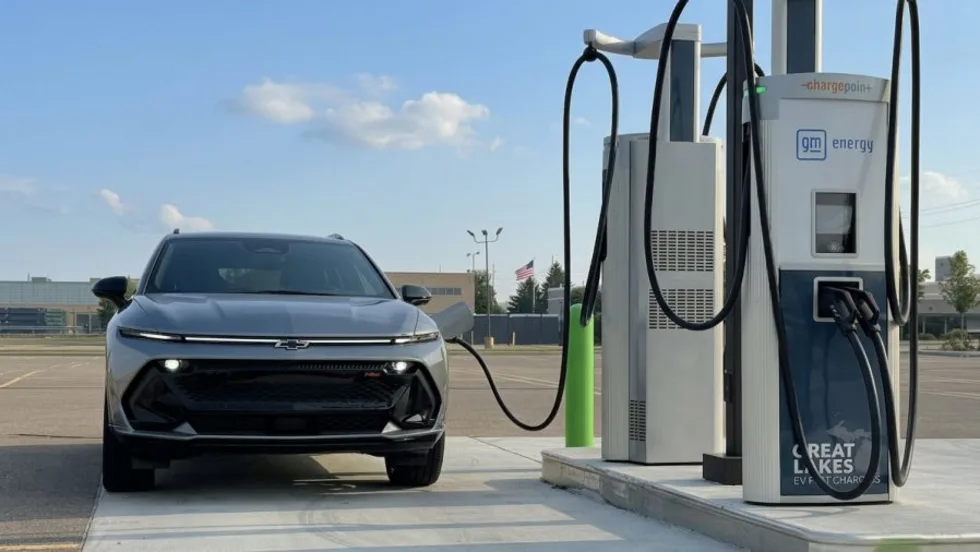
ChargePoint Now Available in Energy Pass
ChargePoint and additional planned charging network integrations were added to GM's Energy Pass.
Read More →

First Look: Slate Auto's Electric Fleet Pickup
Could an affordable, modular EV pickup make electrification more practical for fleets?
Read More →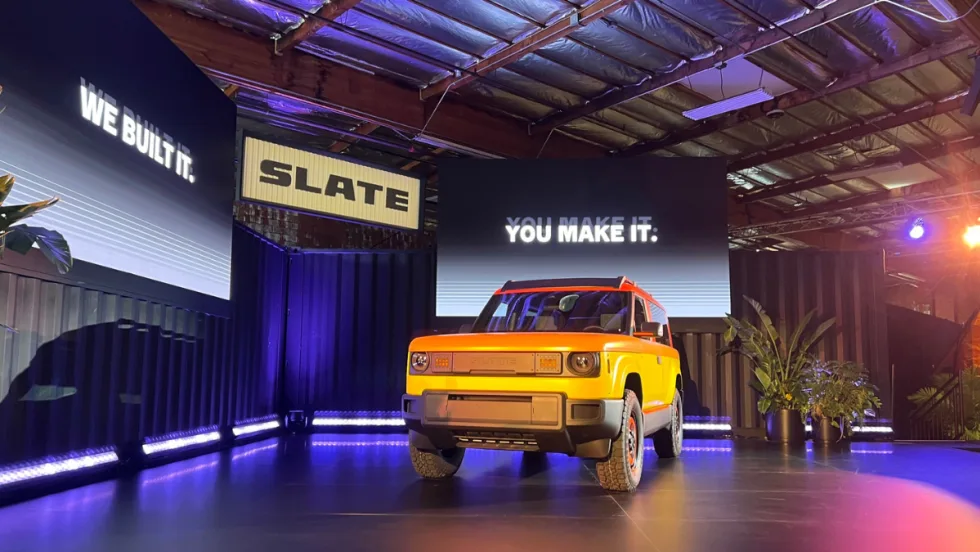
Slate Debuts Colorful, Unique EV Models
A recent media and client event, studded with electric vehicles dressed up on platforms, planted a new position for the manufacturer in the wider EV market. Fleets will find cost-saving advantages.
Read More →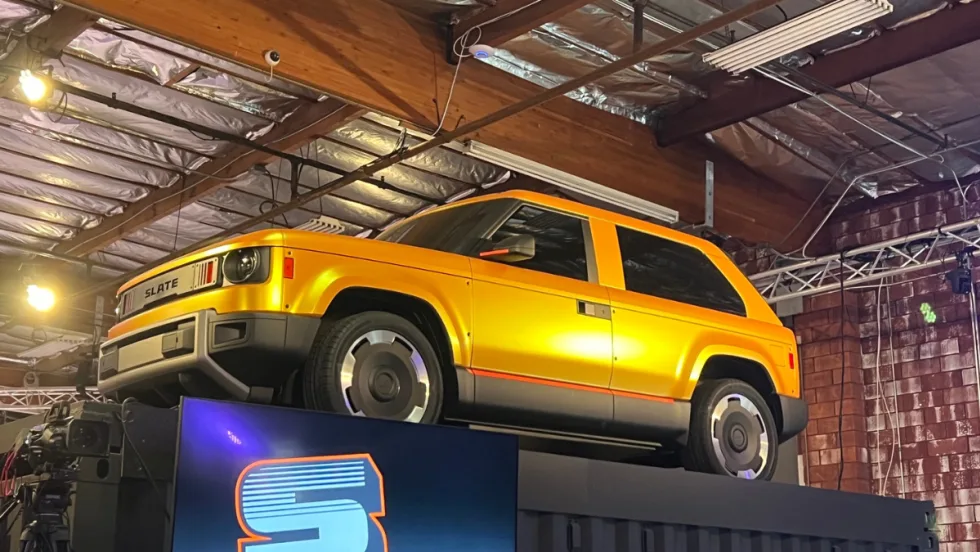
Slate Electric SUV, Pickup Switchable Model Aims For Light-Duty Fleets
Everything about this EV is counterintuitive and understated, making it stand out from the crowd.
Read More →
Inspiration Mobility Acquires Key Electrada Assets
Inspiration Mobility Group has acquired select assets of Electrada, adding the fleet electrification provider's team, technology, and charging infrastructure development capabilities to its energy management business.
Read More →