




Natural Gas a Hit with Refuse Fleets
Reduced fuel prices, maintenance costs, and harmful emissions are just some reasons refuse fleets are increasing their compressed natural gas (CNG) vehicle purchases.

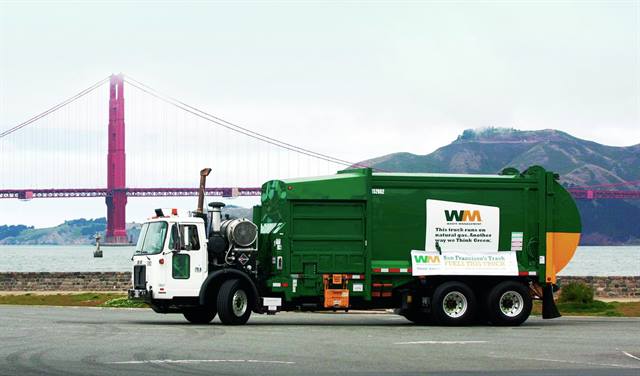
About 1,000 Waste Management collection trucks currently run on CNG, and the company is purchasing 500 additional CNG trucks this year.
Proponents cite numerous fleet applications for natural gas, including use in refuse or collection fleets. Many refuse truck fleets are currently powered by compressed natural gas (CNG), and as emissions standards become more stringent, alternative fuels have become increasingly popular.
Clean Energy, a provider of natural gas fuel for transportation, lists lower fuel costs, Environmental Protection Agency (EPA) emissions standards compliance, improved air quality, quieter streets, and increased U.S. energy independence as benefits of using natural gas-powered refuse trucks.
Emissions Regulations Induce Fleets to Switch from Diesel
Emissions mandates play a significant role in refuse fleets deciding to switch to natural gas.
Waste Management (WM), a Houston-based provider of waste management services, began incorporating natural gas into its collection fleet more than a decade ago. The company operates a collection fleet of 18,000 units, about 1,000 of which run on natural gas, according to Eric Woods, vice president of fleet and logistics.
The company began using both CNG and liquefied natural gas (LNG) vehicles mainly in California due to stricter environmental regulations. WM decided CNG was a better fit for its fleet application and is moving forward with CNG vehicle purchases. With a corporate sustainability goal of reducing emissions by 15 percent and improving fuel efficiency by 15 percent by 2020 from a 2007 baseline, WM is not only purchasing 500 CNG replacement vehicles this year (out of an approximate 750 total collection vehicle purchases), but is also looking to more than double its fueling infrastructure across its national fleet.
The company utilizes 17 fueling stations, 13 of which are in California. According to Woods, WM is currently looking to install 20 additional stations throughout the country, more than 15 of which will be outside the West Coast. Woods expects these stations to be completed within the next 12 months. The fueling stations will be located in areas where at least 75 trucks operate, although most targeted areas have more than 100 trucks in operation.
Woods noted that “2010 was a landmark year for diesel.” Emissions regulations resulted in the installation of heavy catalytic converters and costly DPF filters and urea injection. He estimated new technology added an additional 3,000 lbs. per vehicle, decreasing payload. In addition, acquisition cost has increased by up to $50,000 per vehicle over the past six years.
Woods said the emissions profile of WM’s natural gas trucks, using the SmartWay model for its road speed, are lower than the 2010 mandates.
Lowering Fuel & Maintenance Expenses
CleanScapes, a Seattle-based solid waste collection agency, utilizes 42 CNG-fueled collection vehicles out of a fleet of approximately 100, according to John Taylor, government affairs manager. While the company performs services for various cities, “Our CNG fleet is dedicated to residential collection in the City of Seattle,” he said.
The company has a fueling facility on site with a 40-truck slow-fill fueling line. It can also fast-fill individual trucks as needed. While exact costs were not available, Taylor reported “CNG fuel is significantly less expensive than diesel, [and] the price is less volatile.”
Woods at WM said the company budgets $1.25 per diesel gallon equivalent for CNG, which is much higher than actual fuel costs. He said the company pays as little as 40 cents per gallon in some locations. With a March 7 U.S. Energy Information Administration (EIA) diesel cost estimate of $3.87 per gallon average across the nation (up 97 cents per gallon from a year ago), the cost difference is significant. Urea costs can also be avoided with CNG, he said. “The economics get more favorable by the day, and that’s without regulations or tax benefits,” Woods explained.
Additionally, CNG refuse fleets are seeing decreased maintenance costs. “Maintenance on CNG is less costly, and they are easier and much cleaner to maintain,” Taylor said.
Woods attributes this to a simpler engine that doesn’t need add-ons for emissions control. “Maintenance is less complex because we don’t have the complexity of DPF (diesel particulate filter), EGR (exhaust gas recirculation), and urea-based selective catalytic reduction systems,” he said. He said it’s also easier for operators because they don’t have to worry about regeneration as they would with diesel trucks.
Seeing a Return on Investment
There’s no denying CNG vehicle acquisition cost is higher. However, both CleanScapes and WM have seen a return on investment (ROI) with their CNG refuse fleets.
“While the initial outlay for vehicles is more expensive than diesel trucks, these costs are offset by lower and more predicable fuel costs,” Taylor said. Lower maintenance costs have also contributed to the ROI.
WM’s plans to increase its CNG fleet and infrastructure clearly prove it thinks CNG is economically feasible. Woods said in the past, the cost difference between CNG and diesel collection trucks ran about $90,000. Add-ons to diesel engines have increased vehicle cost, lowering cost difference to about $30,000. Taking into consideration maintenance and fuel costs, he estimated payback for vehicle acquisition is less than two years, and less than three years if he includes infrastructure costs, under WM’s current plan of deploying CNG in areas with large fleets.
Temporary disruption of fuel supply is a concern for some fleets deciding whether to switch to CNG, but having a CNG fleet neighbor nearby can prove to be advantageous.
“CleanScapes is currently assisting Pierce County (Wash.) Transit with fueling their CNG buses,” Taylor said. The transit agency’s fueling station “was lost to a fire on Feb. 28, and CleanScapes is assisting them with fueling until the facility is repaired.”
More Green Fleet
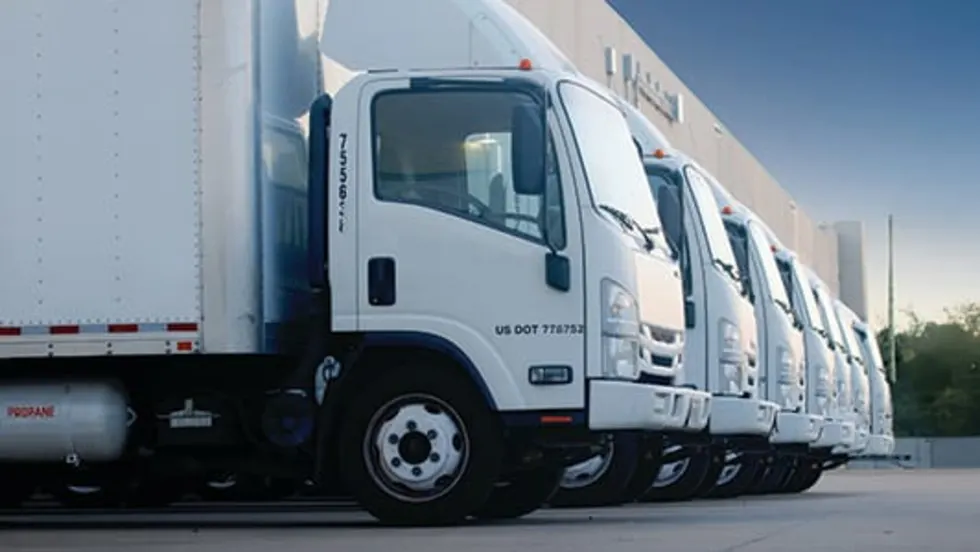
New Propane Autogas Program Offers Fleet Compensation
Qualified commercial fleets can receive $7,500 per eligible propane autogas vehicle and up to $10,000 for new refueling site prep. Learn how the program works and see whether your fleet qualifies.
Read More →
EV Charging Use Is Outpacing Infrastructure Growth
ChargePoint’s 2026 Charging Forward Report points to rising charger use, higher-powered charging, commercial vehicle electrification, and energy-management technology. Here’s what fleets should know.
Read More →
Merchants Fleet Reports 290M EV Miles as Fleets Navigate Changing Electrification Market
From millions in operating savings to hundreds of millions of EV miles, Merchants Fleet’s latest report reveals what’s working and what’s changing in fleet electrification.
Read More →

The EV Breakdown Nobody's Talking About: Why Most Electric Vehicle Roadside Calls Aren't Mechanical Failures
Here's why EV breakdowns are widely misunderstood.
Read More →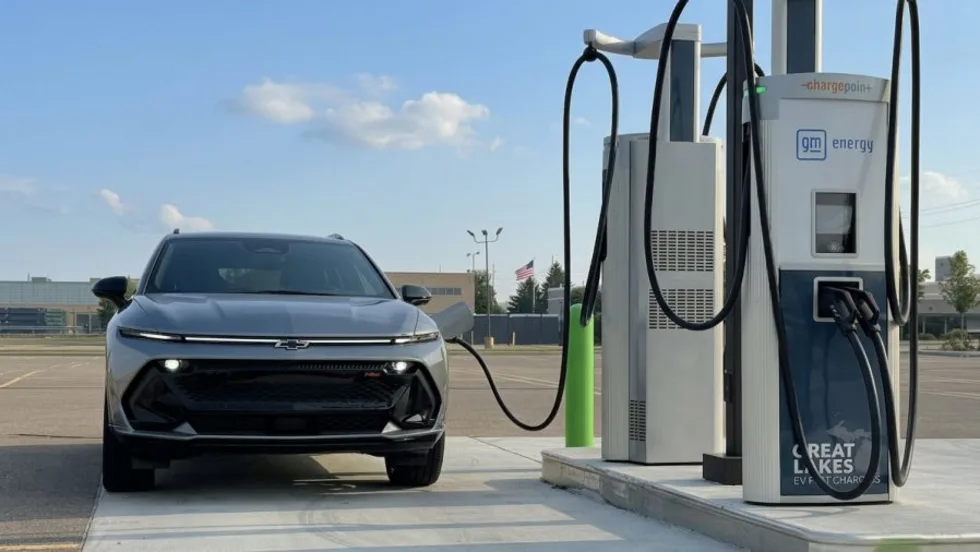
ChargePoint Now Available in Energy Pass
ChargePoint and additional planned charging network integrations were added to GM's Energy Pass.
Read More →

First Look: Slate Auto's Electric Fleet Pickup
Could an affordable, modular EV pickup make electrification more practical for fleets?
Read More →
Slate Debuts Colorful, Unique EV Models
A recent media and client event, studded with electric vehicles dressed up on platforms, planted a new position for the manufacturer in the wider EV market. Fleets will find cost-saving advantages.
Read More →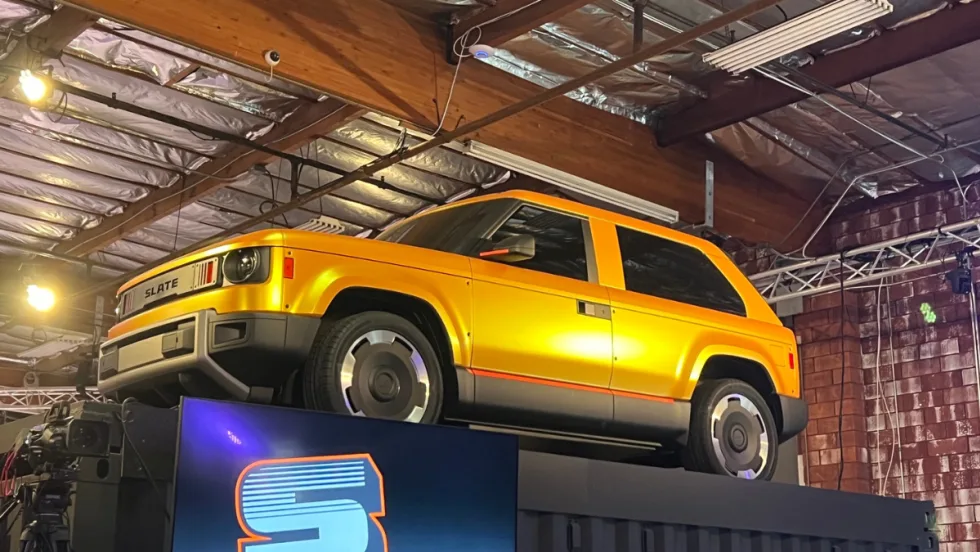
Slate Electric SUV, Pickup Switchable Model Aims For Light-Duty Fleets
Everything about this EV is counterintuitive and understated, making it stand out from the crowd.
Read More →
Inspiration Mobility Acquires Key Electrada Assets
Inspiration Mobility Group has acquired select assets of Electrada, adding the fleet electrification provider's team, technology, and charging infrastructure development capabilities to its energy management business.
Read More →