




National Gypsum Extends Vehicle Lifecycling
To leverage the booming resale market, some fleets shortcycled their vehicles to get maximum dollars at auction. Others, such as Charlotte, N.C.-headquartered National Gypsum Company, a producer of gypsum wallboard, took to extending vehicle lifecycling.

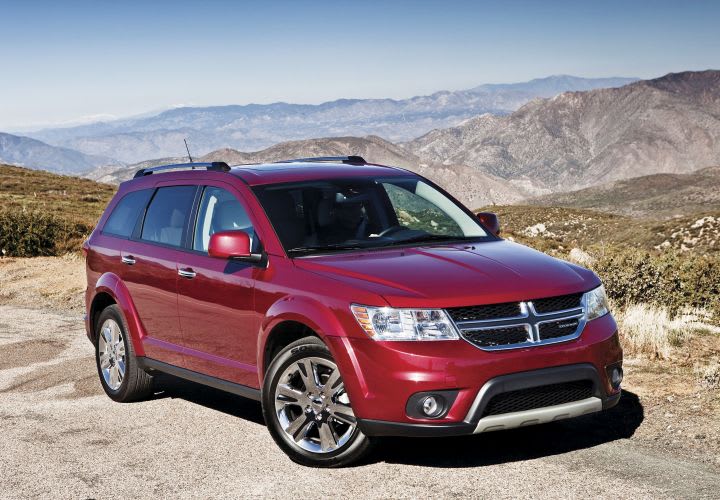
Photo of 2013 Dodge Journey courtesy of Chrysler.

Photo of 2013 Dodge Journey courtesy of Chrysler.
The so-called "Great Recession" at the dawn of the 21st century saw fleets of all types take steps to become more efficient by tightening their proverbial belts.
To leverage the booming resale market, some fleets shortcycled their vehicles to get maximum dollars at auction. Others, such as Charlotte, N.C.-headquartered National Gypsum Company, a producer of gypsum wallboard, took to extending vehicle lifecycling.
During the height of the recession in 2009, which consequently caused a slowdown in the construction industry, National Gypsum increased its mileage threshold from 80,000 miles to 100,000 miles for its fleet.
"Management asked us to come up with some cost-saving options, so we recommended increasing our vehicle lifecyles to 100,000 miles because, at that time, the Kelley Blue Book difference between 80,000 and 100,000 miles on SUVs and pickup trucks was not earth shattering, and we felt the vehicles out there were being built to last longer," explained Don Woloszynek, sales service manager for National Gypsum Company.
Establishing a PM Track Record
With a nearly five-year track record extending its vehicle lifecycles, Woloszynek said the key to successfully implementing the increased lifecycles has been having a strong preventive maintenance (PM) program, which is managed by the fleet's current fleet management company, EMKAY.
"Even with our previous vendor, our PM systems are and were very successful," Woloszynek noted. "We have instructed our fleet providers that all tire purchases must be approved by the fleet department. During our quarterly reviews, our current leasing company runs a comparison on average industry expenses vs. the National Gypsum Company's expenses. The results have always come out better than the industry as far as spending less, and we do so while still maintaining a well-run fleet of vehicles."
The National Gypsum fleet consists of 82 SUVs, which are used by National Gypsum Company's sales force (both reps and managers) and 100 pickups — ½, ¾, and 1-ton models — used at the company's production plants, which are sited near major metropolitan areas.
Only the sales vehicles and the plant manager vehicles saw their lifecycles extended, according to Woloszynek, who has been with National Gypsum for 46 years, with more than 20 of those years running the company's fleet.
The National Gypsum fleet has been using EMKAY as its FMC for the past two years. In addition to the resources Woloszynek gets from EMKAY, he is assisted in his day-to-day running of the fleet by Rose Gunnerson, National Gypsum's fleet administrator.
"Having her with me makes the job a piece of cake," Woloszynek said.

Photo of 2013 Edge courtesy of Ford.
Looking at the Future of Residuals
While increasing the lifecycle of most of the company's fleet assets has been a boon for the company's bottom line, Woloszynek admitted that he had considered going the shortcycling route during the darkest days of the recession.
"Initially, we considered shortcycling, and our fleet provider at the time encouraged us at that time to weigh the options," Woloszynek said. "But, during the recession, our main concern was to save the company as much money as we could. We thought increasing the vehicles' lifecycle would be the best way."
However, that could change due to the softening of the residual market.
"With the residual market looking light this year and all signs pointing to a downward trend in vehicle prices, we are looking into the possibility of going back to a 75,000-mile replacement benchmark in lieu of the current 100,000 miles. Time will tell," Woloszynek said.
No matter what the future will bring, Woloszynek has shown that, with the proper PM program, a fleet can greatly and effectively increase a vehicle's lifecycle.
"With the proper PM program, we realized that we can keep the vehicles running longer, with no major repairs," Woloszynek said. "The only consistent expense that we saw is adding an additional set of tires to carry us to the 100,000-mile marker. In most cases, we still realized a profit on the SUVs upon resale and continue to do so today."
If Woloszynek had to give other fleet managers considering extending their vehicle lifecycles a piece of advice it'd be: "It's a fundamentally sound way to save on your company's fleet expense. But, you need a disciplined maintenance program and you need to enforce it."
More Operations

Avis Budget Group Deploys Neology Toll Management Technology Across Major Brands
Neology’s neoFleet platform will manage toll transactions and toll-authority operations for vehicles across Avis, Budget, Payless, Budget Truck and Zipcar.
Read More →
Fleet Personal-Use Charges Edge Higher in 2026
Nearly eight in 10 surveyed fleets allow personal use of company vehicles, while just over half of respondents report charging employees for the privilege.
Read More →
The Future of Fleet + What’s Changing Right Now | AF News Recap
Could developments overseas offer a preview of what’s coming for U.S. fleets? This week, we’re looking at the future of AI, autonomy, and electrification, plus Ford Pro’s new certified pre-owned program, smarter vehicle offboarding, and a new way for fleets to manage toll expenses.
Read More →
How to Handle Vehicle Offboarding
What do fleet managers need to do when a driver leaves?
Read More →
Fleet Manager’s Ultimate Playbook: Navigating the New Standard in OEM Connectivity
Rising operating costs, driver safety concerns, and unplanned downtime are putting unprecedented pressure on modern fleets. Discover how fleet managers use embedded OEM connectivity and real-time vehicle data to cut TCO, prevent downtime, and protect drivers without aftermarket telematics hardware.
Read More →
U.S. Bank Adds Verra Mobility Toll Management to Voyager Fleet Platform
The integration allows U.S. Bank Voyager fleet customers to manage toll payments and violations alongside fuel, EV charging and maintenance expenses.
Read More →
ADAS Prevents Crashes. But Repairs Cost More | AF News Recap
ADAS-equipped vehicles may crash less often, but they can cost more when they do. This week, we’re breaking down what that tradeoff means for fleets, plus Subaru’s first Forester Wilderness Hybrid, Nissan’s new e-POWER Rogue, and why Calstart has become Catalyst Mobility.
Read More →
Moventum Fleet Management Names Mark Iorillo Head of Sales
Iorillo brings nearly 20 years of fleet management and sales experience to the role, including previous positions at Element Fleet Management, CEI, Donlen and Ryder.
Read More →
Fleet Has a Talent Pipeline Problem. What Comes Next? | AF News Recap
Where will fleet’s next generation of leaders come from? This week, we’re looking at the industry’s talent pipeline, what certification can add to a fleet career, how to build an award-worthy track record, and the return of Automotive Fleet’s Personal Use Survey.
Read More →
Smith System Launches Driver Risk Management Program
Fleets have more driver data than ever, but identifying risky behavior doesn't necessarily correct it. Smith System's new Driver Risk Management program combines monitoring, training, and follow-up coaching to help fleets connect risk signals with driver intervention.
Read More →