




Minimizing Employee Litigation Through Arbitration Agreements
Not all arbitration agreements are created equal. Fleet managers must understand the limits of these agreements to properly implement them.
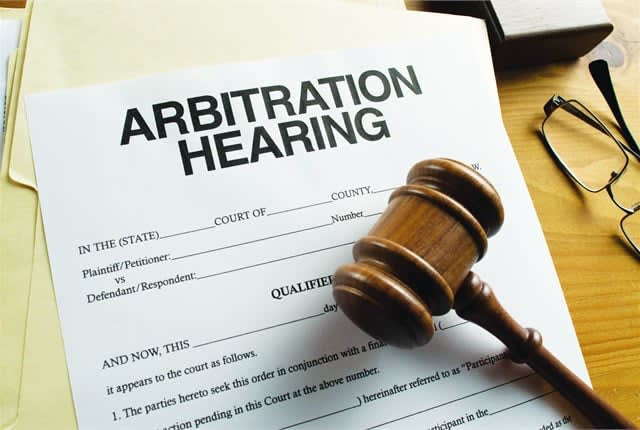
Arbitration is a form of alternative dispute resolution, where two sides look outside the court system to resolve a conflict.
Lawsuits are expensive and inconvenient, but employee litigation can be even more painful for companies, executives, and managers. Employee lawsuits hamper morale and could encourage other employees to follow with their own lawsuits. This kind of litigation can also expose information that companies would rather keep quiet. Additionally, such litigation can generate nasty PR, which can cause further damage to the company.
Fortunately, fleet managers can minimize many employee lawsuits and their fallout through arbitration agreements, where a neutral arbitrator hears the facts of the dispute from both parties and makes a binding ruling.
But, not all arbitration agreements are created equal. In fact, courts frequently throw out agreements that judges decide are flawed or too heavily biased in favor of employers. Employers need to understand the limits of arbitration agreements in order to implement effective ones that will provide all the benefits they are looking for.
The ABCs of Arbitration Agreements
Arbitration is a form of alternative dispute resolution, where two sides look outside the court system to resolve a conflict. In arbitration, an impartial arbitrator listens to claims, facts, and testimony from both sides, then issues a decision.
By signing arbitration agreements, drivers typically waive their right to file lawsuits when they have a dispute with their employers; however, the obligation to arbitrate can vary. Some employers require all disputes to go to arbitration, while others designate arbitration for only certain issues.
Once employees (or former employees) decide to enter into arbitration, there are three basic steps in the proceedings — pre-hearing briefs, the hearing, and the arbitrator’s decision.
The pre-hearing of briefs allows the company and employees to present their views and describe their evidence to the arbitrator. During the hearing, each side presents their case to the arbitrator, which can include calling witnesses. Then the arbitrator makes a decision.
Pros & Cons of Arbitration Agreements
Because arbitration agreements offer many advantages for employers — and some that extend to employees, too — fleet managers should consider requiring them whenever possible. The following are some of the benefits:
Cheaper and faster. Litigation can drag on for years and cost vast sums of money. Arbitration is generally much less expensive. In some cases, neither side even needs to hire an attorney. Arbitration also usually proceeds much faster than lawsuits.
Greater confidentiality. Court records are usually public, and controversial or high-profile court cases can garner a lot of publicity — much of it negative — for employers.
Unlike jury trials, arbitration hearings are not public and typically provide a much greater level of privacy for both sides. This could be important if, for example, the dispute involves an injury to a third-party, as public finger pointing between the company and driver might be damaging from a public relations perspective.
Informality. Appearing in court can be intimidating for employers and employees alike, and the rules can seem archaic and illogical to non-lawyers. Arbitration hearings tend to be less formal than courtroom appearances. Hearings may take place in a conference room, rather than a courthouse, and arbitrators are often more flexible about working around participants’ schedules.
More predictable process. Juries are notoriously unpredictable and prone to emotional decisions. In arbitration, that unpredictability is minimized, replaced by a trained professional who should easily grasp the issues involved. Some employees may hope to hit the jackpot with a sympathetic jury and may consider the lack of a trial to be a downside. But, the fact is, neither side can predict the outcome of a jury trial. A more predictable range of outcomes is typically better for all.
Along with the advantages, though, arbitration can have negative consequences that fleet managers should understand, and include:
Employees may resent the agreements. While arbitration may be made a mandatory condition of employment, some people balk at signing employment arbitration agreements, according to a survey by Lake Research Partners. The majority of people (59 percent) oppose “forced arbitration clauses in the fine print of employment and consumer contracts,” the study reported. By their very nature, these agreements do require employees to sign away the right to settle disputes in the court system, and more sophisticated employees may realize that juries are generally more likely to side with plaintiffs than employers.
Confusion over arbitration. The survey also found that many people were unclear on the provisions of arbitration agreements. Nearly three-quarters of respondents thought they kept the right to sue their employer if they were seriously injured or had a major work dispute, even if they signed a binding arbitration agreement. Less than a third remembered reading about arbitration in their employment contracts.
To increase enforcement, be sure to make employees well aware of the agreement.
Less discovery. Arbitration also typically allows less discovery, or information that each side can get from the other. While discovery is lengthy and often adds a huge amount to the cost of the typical lawsuit, the lack of this kind of information can hurt both sides in an arbitration proceeding, especially if a driver is injured or has some evidence of culpability in an accident.
Inability to appeal. For all its flaws, the judicial system operates within a clear set of rules and precedents, and litigants can appeal when they feel a court ruling is unfair. Arbitrators do not operate within this type of framework, and most arbitration rulings cannot be appealed. So, if either side is unhappy with the arbitrator’s ruling, there is little recourse.
[PAGEBREAK]
What Employers Should Do Now
Employers can find many advantages to requiring employees to sign arbitration agreements. But, a badly written one can be worse than not having one at all. Here’s what employers need to know about creating arbitration agreements that are fair to employees and will stand up to any challenges.
Look at your current policies. If you have arbitration policies in place now, take some time to review them. If you don’t have any in place, they are advantageous enough for companies to consider them. Be sure to involve a wide group in the process, including HR, in-house, and outside counsel.
Consider court rulings and laws. For a process that was designed to avoid the judicial system, arbitration agreements frequently end up in court. Federal laws, such as the Federal Arbitration Act, and state laws also impact the scope of employment arbitration agreements. Companies must understand exactly what court rulings and laws, both federal and state, impact them and the specific types of agreements they can lawfully institute.
Be specific and up front. Vague arbitration clauses may not stand up in court, so it’s important that employers be as specific as possible about the terms and processes involved with arbitration. When designing or updating arbitration agreements, talk to in-house and outside counsel to be sure that the agreements will not end up being contested as vague, unfair, or otherwise disputed.
Employers should also draw attention to the agreements and not bury them deep inside the employee handbook. That way, employees and former employees won’t be able to claim that they didn’t understand the clauses or didn’t know what they contained.
Consider scope. Employers should carefully consider what issues will be decided by arbitration. Some write very broad arbitration agreements that require all disputes to be arbitrated. Others limit arbitration to termination or other serious matters. Consider the specifics of the industry when determining the scope of your arbitration agreement; for example, fleet managers should include driver overtime disputes in arbitration agreements. If you do implement mandatory arbitration, be sure to include a class action waiver provision, which will require all claims to be made on an individual basis.
Be fair. Courts are more likely to strike down arbitration clauses that blatantly favor employers. Many states have held some arbitration agreements as unenforceable when the terms of the contract are excessively unfair to one party. For example, be sure to provide employees with a say in choosing the arbitrator and not make it the employer’s choice alone. Employers should also not set the bar for filing arbitration too high, for example by requiring employees to pay for filing fees.
Explain the advantages. While many employees may balk at the idea of signing an arbitration agreement, a well-written agreement should also work in their favor. Take the time to explain the advantages, so employees understand how signing the agreement will benefit them as well.
Companies shouldn’t view arbitration as a way to limit the rights of employees to bring up issues or to be compensated if something goes wrong. Instead, employers should think about the process as a way to settle disputes more quickly and without involving the courts.
With the right attitude and agreements in place, both sides can benefit from the process, rather than dragging matters through a judicial system that may take years to finally resolve a dispute. n
About the Author
Richard Alaniz is senior partner at Alaniz and Schraeder, a national labor and employment firm based in Houston. He can be reached at (281) 833-2200 or ralaniz@alaniz-schraeder.com.
More Operations

Fleetio, ASE Launch Scholarship Program for Automotive Technicians
The second annual program will award 15 scholarships totaling $35,000 to support ASE certification, testing fees, and equipment costs.
Read More →
Reading the Global Signals: What AI and the Energy Transition Mean for Fleets Now
How can fleet managers navigate a never-ending, changing industry landscape?
Read More →
90% Use Telematics. Are Fleets Getting Safer? | AF News Recap
This week, we're breaking down which industries have the highest rates, how Jamie McKay manages 2,400 vehicles, what's happening with the 2027 fleet awards, and why software-defined vehicles could introduce new costs.
Read More →
What's Best Handled by an FMC, and What's Better Done Directly?
Fleet managers continue to rely on FMCs for essential services but are taking a closer look at where working directly with suppliers can improve efficiency and responsiveness.
Read More →
Fleet Meets: Erin Gilchrist
Meet Erin Gilchrist, the inaugural Mike Antich Spirit of Fleet Award winner, as she shares insights on leadership, mentorship, the power of industry connections, and why people remain at the heart of fleet's future.
Read More →
How 2026 Fleet Visionary Jamie McKay Manages 2,400 Vehicles Across 37 States
How do you keep 2,400 vehicles running across 37 states? Fleet Visionary Award winner Jamie McKay shares how collaboration, flexibility, and a few simple strategies help her tackle fleet management challenges at Aptive Pest Control.
Read More →
Managing Fleet Costs in an Era of Permanent Volatility
Fleet operating costs have risen more than 20% since 2020, raising a key question: When does extending a vehicle's service life stop making financial sense?
Read More →
The Next Evolution of Fleet Management: Autonomous Operations
This opening keynote session at the Fleet Forward Conference highlights the future of autonomous driving for fleets.
Read More →
How to Reduce the Total Cost of Risk From Catalytic Converter Theft
A stolen catalytic converter can cost fleets far more in downtime and lost productivity than in repairs. A total-cost-of-risk approach can help fleet managers quantify their exposure and prioritize theft prevention.
Read More →
Personal-Use Charges Rise as Vehicle Values Fall | AF News Recap
Personal-use charges are climbing, wholesale used-vehicle values are declining, and commercial fleet sales growth is slowing. This week, we're breaking down the latest fleet data, plus how Element Fleet Management is helping Waymo prepare for its first Canadian robotaxi market.
Read More →