




Mercedes-Benz Showcase: 2014 CLA-Class
Mercedes-Benz is expanding its lineup with the all-new 2014 CLA-Class. The new four-door coupe, which made its world premiere in January 2013 at the Mercedes-Benz Fashion Week in Berlin, takes its design cues from the CLS.
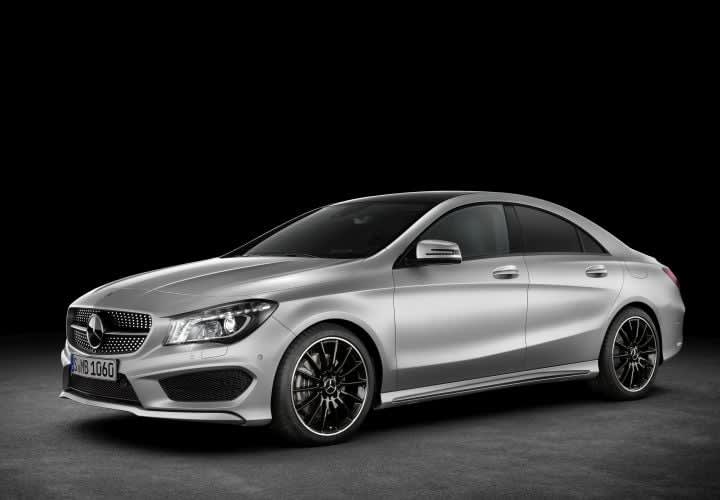
Photo courtesy of Mercedes-Benz.

Photo courtesy of Mercedes-Benz.
Mercedes-Benz is expanding its lineup with the all-new 2014 CLA-Class. The new four-door coupe, which made its world premiere in January 2013 at the Mercedes-Benz Fashion Week in Berlin, takes its design cues from the CLS. The front-wheel-drive CLA250 arrives in U.S. dealerships this September, with an available CLA250 4MATIC all-wheel drive model coming out in spring 2014.
Both models feature Mercedes-Benz's 2.0L four-cylinder gasoline engine with 208 hp and 258 lb.-ft. of torque. It comes with the ECO stop/start function as standard for added fuel economy and is mated to the 7-speed dual clutch transmission for a combination of sporty performance and comfort.
Both variants of the CLA250 are delivered on 17-inch, 5-spoke, two-tone wheels clad in all-season, run-flat tires. The Sport Package offers 18-inch AMG twin 5-spoke wheels and adds Sport body styling plus perforated front discs.
An extensive array of standard and optional driver assistance systems in the CLA are available. Standard features include Attention Assist drowsiness detection and radar-based Collision Prevention Assist with adaptive Brake Assist, which offers collision protection in the CLA from speeds of just 4 mph.
With a drag coefficient (Cd) of 0.23, the CLA sets a new benchmark among not only Mercedes models, but also all series-production vehicles.
Standard electromechanical power steering helps contribute to overall efficiency, as the power steering function draws energy only under active steering. It also facilitates various steering assistance functions activated by the ESP control unit. These include counter-steering in the event of oversteer, corrective steering when braking on road surfaces with differing levels of grip (split-friction braking), minimization of torque steer, and compensation for crosswinds and road gradients.
A new generation of the 4MATIC permanent all-wheel drive system features fully variable torque distribution. This completely new development boasts high levels of traction and outstanding agility combined with excellent safety and energy efficiency.
Like all models in the Mercedes-Benz lineup, the CLA comes with the brand's connectivity service mbrace2, providing users with an extensive range of online and concierge services and apps all linking seamlessly to smartphones for use inside and outside the car.
Additional standard equipment includes the 5.8-inch display and Bluetooth. The central controller provides an all-access pass to an abundance of advanced technology and can be upgraded to the 7-inch display with the Multimedia package, including features such as the COMAND system with hard-drive navigation and voice control.
More Operations

Here's When You Should Make an Exception to Fleet Policy
Fleet policies are designed to create consistency, but not every driver or situation fits neatly within standard rules.
Read More →
AI-Native or AI-Acquired: What Should Fleet Managers Look for in an AI Platform?
Six questions can help fleet managers look beyond AI marketing claims to evaluate integration, data access, and real-world operational performance.
Read More →
A buyer's guide to fleet management software in 2027
Buying fleet management software in 2027 means looking beyond features and price. As fleet operations, technology and expectations evolve, this guide explores what today’s fleet professionals should consider when choosing a system that can deliver value now and adapt to what comes next.
Read More →

What Will Shape the Next Era of Fleet Management?
EVs, AI, and autonomous vehicles are reshaping fleet management. Discover what’s ahead—and how fleet leaders can prepare for the next era.
Read More →
How Fleets Can Recruit and Train Veterans for Technician Roles
Here's how the technician shortage has affected uptime for fleets, and what to do about it.
Read More →
Avis Budget Group Deploys Neology Toll Management Technology Across Major Brands
Neology’s neoFleet platform will manage toll transactions and toll-authority operations for vehicles across Avis, Budget, Payless, Budget Truck and Zipcar.
Read More →
Fleet Personal-Use Charges Edge Higher in 2026
Nearly eight in 10 surveyed fleets allow personal use of company vehicles, while just over half of respondents report charging employees for the privilege.
Read More →
The Future of Fleet + What’s Changing Right Now | AF News Recap
Could developments overseas offer a preview of what’s coming for U.S. fleets? This week, we’re looking at the future of AI, autonomy, and electrification, plus Ford Pro’s new certified pre-owned program, smarter vehicle offboarding, and a new way for fleets to manage toll expenses.
Read More →
How to Handle Vehicle Offboarding
What do fleet managers need to do when a driver leaves?
Read More →
Fleet Manager’s Ultimate Playbook: Navigating the New Standard in OEM Connectivity
Rising operating costs, driver safety concerns, and unplanned downtime are putting unprecedented pressure on modern fleets. Discover how fleet managers use embedded OEM connectivity and real-time vehicle data to cut TCO, prevent downtime, and protect drivers without aftermarket telematics hardware.
Read More →