




Making the Move to Sustainable Fleets
A LeasePlan Green Summit explored the science, politics, and technology of building environmentally responsible and economically viable fleets.

How do fleets make the move to green?
Today’s fleet mangers are struggling to develop sustainable, cost-effective fleet policies. To help drive the conversation forward, LeasePlan brought together global fleet and corporate social responsibility managers for its third U.S. Green Summit last spring at the McDonald’s University campus just outside Chicago.
The half-day event was part crash-course in the science and politics of climate change and emissions reductions, part examination of vehicle OEM strategies, and part participant exchange of experiences and best practices.
Finding the Right Balance
“It’s all about finding the right balance between planet, profit, and people (drivers),” explained the summit’s presenter, Saskia Harreman, LeasePlan International managing consultant based in The Netherlands.
Explaining the basics of global warming, Harreman noted carbon dioxide (CO2) accounted for more than 50 percent of harmful greenhouse gas (GHG) emissions. In the U.S., transportation is the greatest contributor to CO2 emissions; in Europe, transportation is second to heat and electricity production in percentage of CO2 emissions, Harreman pointed out.
Janet Horvath, manager, supply chain, for Eaton Corporation, was one of several summit attendees who found the science lesson valuable. “The presentation was very good in providing an understanding of the science and challenge of CO2 emissions,” said Horvath. “I also learned valuable information about the impact of European environmental legislation, particularly important to us as an international corporation.”
Harreman reported on the European Commission’s ambitious CO2 emissions reductions goals for 2012, while U.S. federal targets include 18-percent GHG emission reduction by 2012 and 35 mpg vehicle fuel efficiency by 2020.
In addition to networking with other summit participants, Lisa Vitola, associate manager of travel services for Fujifilm USA, appreciated learning about OEM strategies.
According to Harrreman, “most manufacturers have a similar approach to
fuel-efficiency and emissions reductions.” This approach includes:
Optimizing internal combustion engine technology.
Improving fuel efficiency through “smarter” use of technology.
Expanding development of alternative-fuel and hybrid vehicles.
Advancing hydrogen fuel cell technology.

Developing a Green Fleet Plan
Establishing an environmental-responsive fleet plan requires communication, reporting, training, and driver incentives, Harreman explained, using LeasePlan’s GreenPlan program as a model. The model offers eight steps:
Conduct a fleet CO2 baseline assessment. Benchmark against other company functions and industry peers.
Evaluate fleet composition, including anticipated renewals. Determine vehicle model fuel efficiencies and emissions.
Set CO2 reduction target.
Pinpoint fleet’s biggest polluting factors: mileage, driver behavior, and vehicle selection.
Identify CO2 reduction opportunities.
Calculate cost/benefit of each initiative.
Determine which initiatives to pursue.
Implement the revised vehicle policy.
Building an eco-conscious yet cost-effective fleet requires weighing fuel costs, environmental impact, vehicle costs, and driver satisfaction, Harreman emphasized.
Describing the vehicle selection discussion, Pam Cox, director of global industry sourcing for Thermo Fisher Scientific, said, “My one big takeaway was to the untrained eye, hybrids seem the way to go. But, you must investigate the driver profile and take into account the total cost of ownership or you can back the company into a costly, unwise proposal.”
“A green fleet could decrease total cost of ownership as fuel consumption decreases,” said Harreman, noting that 32 percent of total cost of ownership is fuel.
She added, “From a driver perspective, green doesn’t necessarily mean smaller cars. It’s also about fuel consumption and driving behavior.”
More Green Fleet
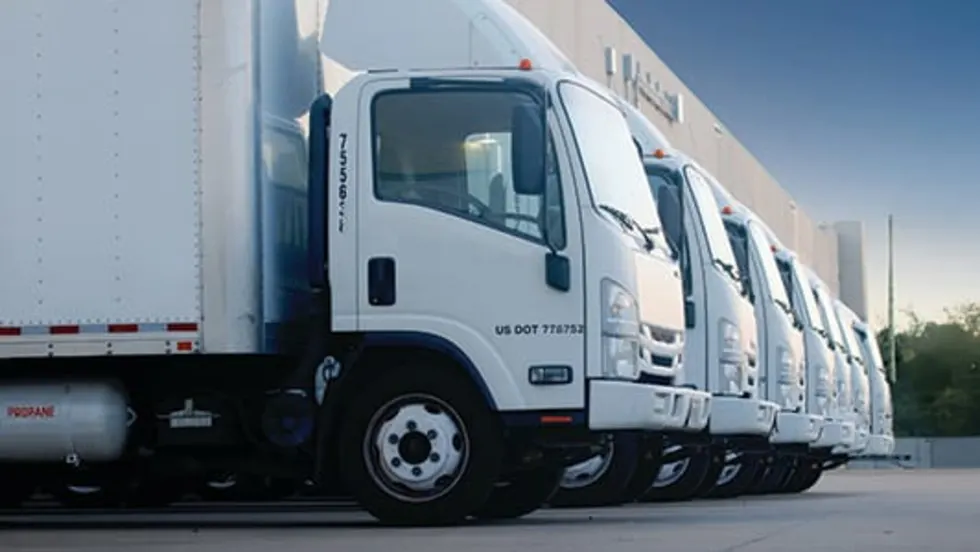
New Propane Autogas Program Offers Fleet Compensation
Qualified commercial fleets can receive $7,500 per eligible propane autogas vehicle and up to $10,000 for new refueling site prep. Learn how the program works and see whether your fleet qualifies.
Read More →
EV Charging Use Is Outpacing Infrastructure Growth
ChargePoint’s 2026 Charging Forward Report points to rising charger use, higher-powered charging, commercial vehicle electrification, and energy-management technology. Here’s what fleets should know.
Read More →
Merchants Fleet Reports 290M EV Miles as Fleets Navigate Changing Electrification Market
From millions in operating savings to hundreds of millions of EV miles, Merchants Fleet’s latest report reveals what’s working and what’s changing in fleet electrification.
Read More →

The EV Breakdown Nobody's Talking About: Why Most Electric Vehicle Roadside Calls Aren't Mechanical Failures
Here's why EV breakdowns are widely misunderstood.
Read More →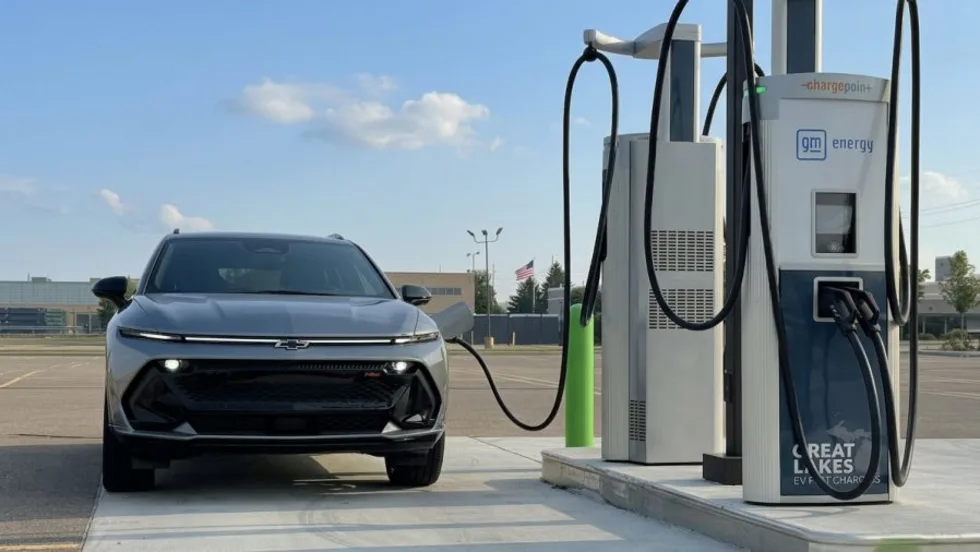
ChargePoint Now Available in Energy Pass
ChargePoint and additional planned charging network integrations were added to GM's Energy Pass.
Read More →

First Look: Slate Auto's Electric Fleet Pickup
Could an affordable, modular EV pickup make electrification more practical for fleets?
Read More →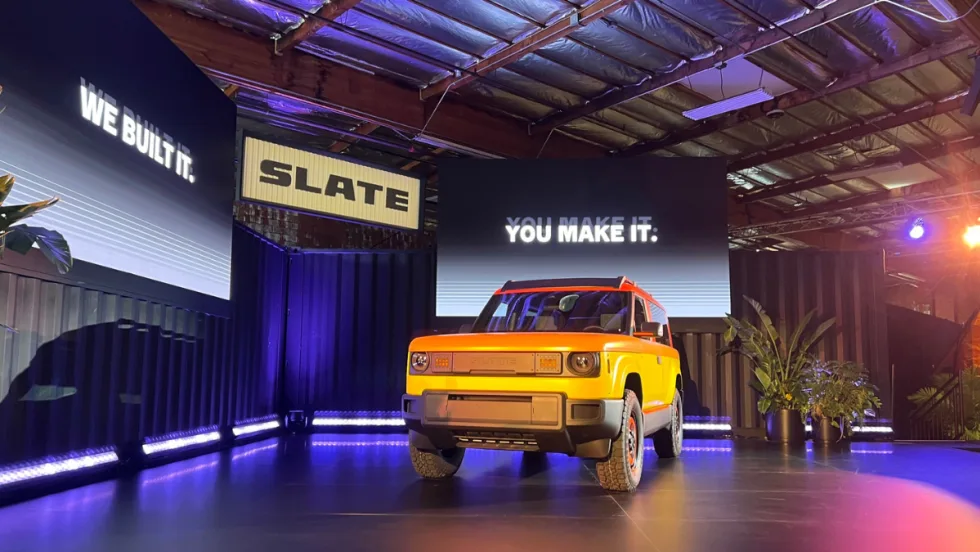
Slate Debuts Colorful, Unique EV Models
A recent media and client event, studded with electric vehicles dressed up on platforms, planted a new position for the manufacturer in the wider EV market. Fleets will find cost-saving advantages.
Read More →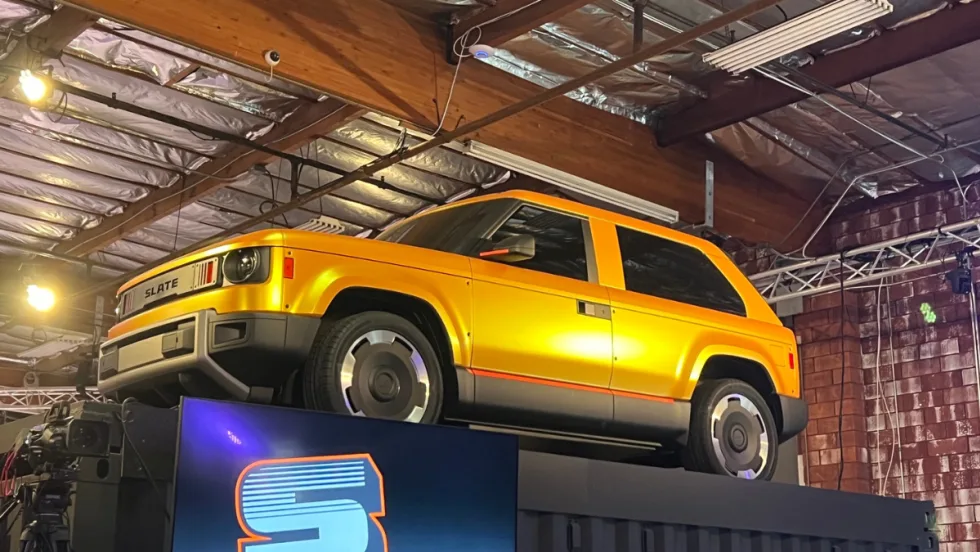
Slate Electric SUV, Pickup Switchable Model Aims For Light-Duty Fleets
Everything about this EV is counterintuitive and understated, making it stand out from the crowd.
Read More →
Inspiration Mobility Acquires Key Electrada Assets
Inspiration Mobility Group has acquired select assets of Electrada, adding the fleet electrification provider's team, technology, and charging infrastructure development capabilities to its energy management business.
Read More →