




Lower Tire and PM Lower Tire and PM Maintenance CPM Flat in 2004
Onboard oil life monitoring systems are lowering preventive maintenance expenses for fleets by extending oil drain intervals. Also, wear items, such as tires and brake pads, are lowering cents-per-mile expense by lasting longer.

Maintenance expenses for fleet cars were flat during the 2004 calendar year when compared to 2003. The main factors contributing to the stability of fleet maintenance costs in 2004 were longer oil drain intervals, extended tire tread wear, and increased life from ceramic brake pads. All other maintenance categories tracked in the survey were flat with a 1-percent or less change in cents-per-mile (CPM) expense compared to the prior year’s survey. These were among the key findings of the 10th annual fleet passenger car maintenance study conducted by GE Commercial Finance Fleet Services, a fleet management company headquartered in Eden Prairie, Minn. Their study was based on a survey of actual maintenance expenses incurred by 32,614 passenger cars during the 12-month period from Jan. 1 to Dec. 31, 2004.
Lower PM Costs
“A key reason for the decline in preventive maintenance (PM) expense in 2004 was the proliferation of onboard vehicle oil life monitoring systems,” said Tim Derochie, product manager maintenance and safety services for GE Commercial Finance Fleet Services. “There is a growing acceptance among fleets to go to a longer oil change interval period when using an oil life monitoring system. The extended oil change interval is becoming an industry norm,” said Derochie.
Longer Tire Tread Life Tire replacement expenses declined in 2004 due to ongoing improvements in tire quality that is resulting in longer wear life. “The overall quality of tires has improved dramatically in the past decade,” said Mark Lange, customer service specialist for GE Commercial Finance Fleet Services. “Tire life has been extended by 10 percent in the past five to 10 years, which has driven down overall CPM for tires. In 2004, tires represented the biggest decline in maintenance expenses.”
Decline in Brake Expenses
Brake expenses also declined in 2004, primarily due to the increased use of longer-lasting ceramic brake pads. “Depending on the replacement cycle parameters, it’s possible a vehicle could go through its lifecycle without having to replace brake pads,” said Lange.
Four Other Maintenance Trends
Increased HVAC Expense: There was a slight increase in the number of incidents and costs dealing with heat-ing, ventilation, and air conditioning (HVAC) systems. “This was because most new vehicles are equipped with cabin filters,” said Dale Nicholson, manager of maintenance services for GE Commercial Finance Fleet Services. “This was an expense that didn’t exist 10 years ago. It costs approximately $50 to replace a cabin filter.”
Lifetime Fuel Filters
“Some manufacturers’ vehicles are equipped with lifetime fuel filters,” said Lange. “In the past, fuel filters needed to be changed every 30,000-50,000 miles as a preventive maintenance. Now several models have a lifetime fuel filter/fuel system regulator in the fuel tank. At $75 per service, by eliminating the need for fuel filter changes, it has generated substantial savings.”
Stainless Steel Exhaust Systems
“The maintenance cost for exhaust systems has gone down because they are lasting longer,” said Lange. Vehicles are now built with a stainless steel exhaust system, which has increased longevity, especially in the Snow Belt areas of the country.”
Rising Labor Rates
“We are continuing to see labor rates go up,” said Lange. “Today, the average national account labor rate is $60 to $70 per hour, while the average labor rate at a dealership is between $90 to $100. Some high-cost metro areas, such as the San Francisco Bay area, have labor rates averaging $125-$150 per hour. See Charts below. Charts 1-7
More Operations
What Fleet Managers Really Want From Vendors
From customer service frustrations and technology breakdowns to RFQs, change management, and the growing impact of turnover across the industry, this conversation pulls back the curtain on the real operational challenges fleet managers are navigating every day.
Read More →
Fleet Safety Masterclass: Industry Leaders on Storytelling, Strategy & Innovation
In this special masterclass episode, industry leaders break down what it really takes to build safer fleets in today’s increasingly distracted and data-driven world.
Read More →
Integrating Legacy Fleet Systems and Historical Data
In this episode, we bring together fleet and technology leaders to unpack the realities of data integration, system migrations, and the evolving role of AI in fleet management.
Read More →


From Resistance to Results: Change Management Strategies for Fleets
From new technologies and safety programs to evolving regulations, fleets are under constant pressure to adapt. But as Dr. Betz explains, success isn’t about the system you implement—it’s about whether your people actually use it.
Read More →
Where We're Headed: A Practical Look at AI in Fleet
Discover how AI is actually being deployed in fleets, not just marketed, including practical use cases and emerging risks.
Read More →
How Coca-Cola United Protects Its Fleet from Growing Legal Risk
Growing legal exposure can put fleets at risk. Here's one company's approach.
Read More →
Fleet Managers Think They Understand Their Costs. The Data Says Otherwise.
Most fleet managers say they have a strong handle on their costs, but new research from Bobit Business Media tells a different story. A 2026 survey of 190 fleet professionals reveals a widespread "confidence gap" where fragmented systems, disconnected data, and delayed reporting are leaving major blind spots hidden beneath the surface. Find out what the data actually shows.
Read More →
Cameras, Safety and Insurance: From Reactive Claims to Real-Time Prevention (Part 2 of 2)
Part Two: Commercial auto remains one of the most challenging and costly lines of coverage for fleet operators and insurers alike. Continue learning more about how to effectively address these issues from Onur Aksan, Enterprise Business Development Executive, Geotab
Read More →
New Trucks, AI & Summer Downtime | AF News Recap
From new truck updates to AI-powered driver coaching and summer maintenance tips, this week's fleet headlines are all about keeping things moving.
Read More →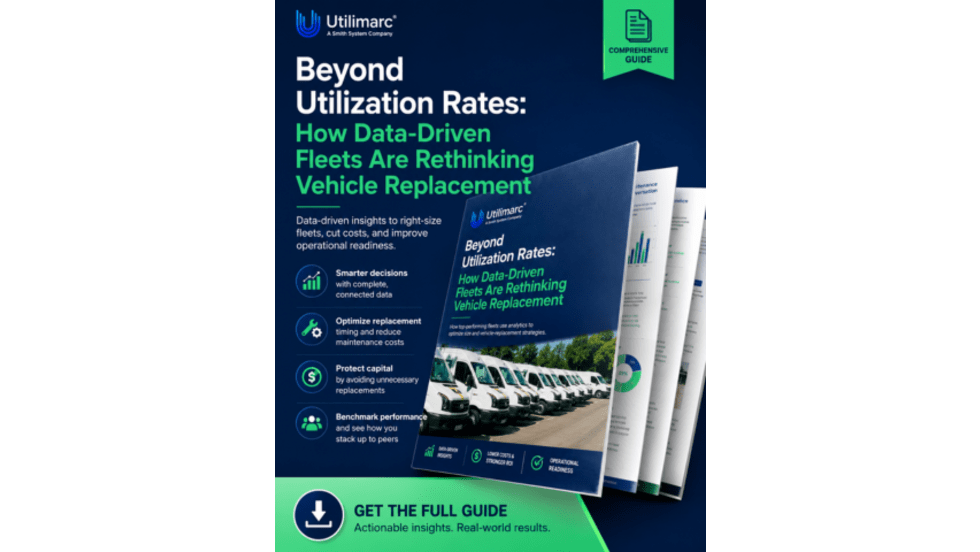
Beyond Utilization Rates: Smarter Fleet Replacement Decisions
Vehicle replacement decisions affect every aspect of fleet performance, from operating costs to asset availability. This guide explores how fleet leaders use integrated data, benchmarking, and lifecycle analytics to determine the right fleet size and optimize replacement timing with greater confidence.
Read More →