




Linen Supply Fleet Adopts CNG, Propane Vehicles
With a corporate mindset aimed toward sustainability, the family-owned business has invested in alternative-fuel vehicles, including both compressed natural gas and propane autogas models.
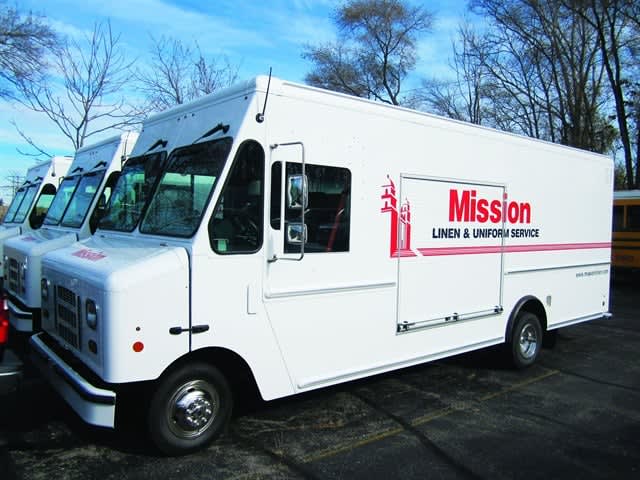
Since 1930, Mission Linen Supply has expanded its business beyond linen and uniform rentals to include the service and sale of apparel, mats, and janitorial products. The family-owned business applies this same focus on growth to its green initiatives.
Its first initiative was to install heat exchangers and water recirculating systems in its plant — from there, the company’s sustainability efforts trickled down to the fleet.
“We, as a company, have been working toward being environmentally friendly for years. We started at our plant level with heat exchangers and water recirculating systems, and it has worked its way down to the fleet level,” said Christopher Mitchell, fleet manager for Mission Linen.
Adding More Alt-Fuel Models
With nearly 500 step vans, 75 bobtails, 25 tractors, and 60 trailers in operation, the company recently expanded its alt-fuel fleet by adding 28 compressed natural gas (CNG) and six propane autogas step vans. All replaced gasoline-powered step vans will be used to handle pick-ups and deliveries.
For the propane-autogas-powered step vans, Mission Linen chose ROUSH CleanTech Ford E-450 models.
The company’s choice of ROUSH CleanTech Ford E-450 models reflects its reason for investing in an alt-fuel fleet overall: lower emissions and more affordable fuel.
“Going green is a major driver at Mission Linen,” said Todd Mouw, vice president of sales and marketing for ROUSH CleanTech. “The fact that the company can reduce its operating costs while using a clean, domestic fuel source tipped the scale in the direction of propane autogas.”
Mission Linen’s use of its new CNG step vans will result in an 80-percent NOx reduction and a 20-percent greenhouse gas (GHG) reduction over previous gasoline-powered trucks. The company plans to save on fuel, too.
“In the short time we have had the CNG step vans in service we are showing a 19 cents per mile savings overall,” Mitchell said. “CNG achieves nearly identical mileage when compared to gasoline but will likely save you 20 to 30 percent when refueling.”
The propane-autogas vehicles also burn cleaner and emit fewer emissions: up to 25-percent reduction in GHG emissions, a 20-percent reduction in NOx emissions, and up to a 60-percent reduction in carbon monoxide emissions.
Taking Critical Steps
To incorporate the new alt-fuel vehicles into its fleet, Mission Linen took three important steps:
Ensure the engine was built to handle CNG and propane autogas fuel systems.
Verify there was a certified shop in the area to perform maintenance.
Locate fill stations close to company plants and along drivers’ routes.
Mitchell said having more than one local fill site and certified technicians to work on the vehicles was critical to incorporating the alt-fuel models into the fleet.
So far, Mission Linen has found success with its alt-fuel fleet, accomplishing both goals of reducing its carbon footprint and improving fuel spend.
More Green Fleet

Merchants Fleet Reports 290M EV Miles as Fleets Navigate Changing Electrification Market
From millions in operating savings to hundreds of millions of EV miles, Merchants Fleet’s latest report reveals what’s working and what’s changing in fleet electrification.
Read More →
The EV Breakdown Nobody's Talking About: Why Most Electric Vehicle Roadside Calls Aren't Mechanical Failures
Here's why EV breakdowns are widely misunderstood.
Read More →
ChargePoint Now Available in Energy Pass
ChargePoint and additional planned charging network integrations were added to GM's Energy Pass.
Read More →

First Look: Slate Auto's Electric Fleet Pickup
Could an affordable, modular EV pickup make electrification more practical for fleets?
Read More →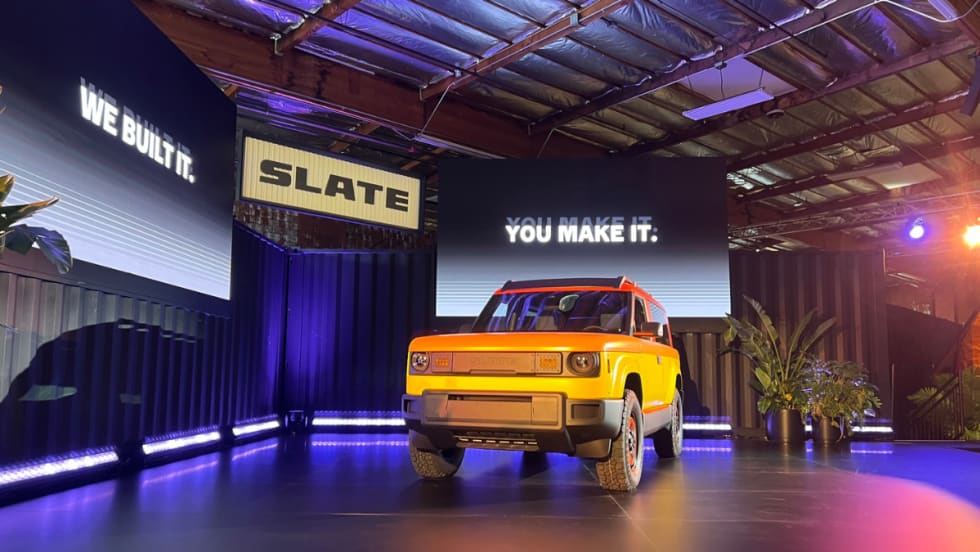
Slate Debuts Colorful, Unique EV Models
A recent media and client event, studded with electric vehicles dressed up on platforms, planted a new position for the manufacturer in the wider EV market. Fleets will find cost-saving advantages.
Read More →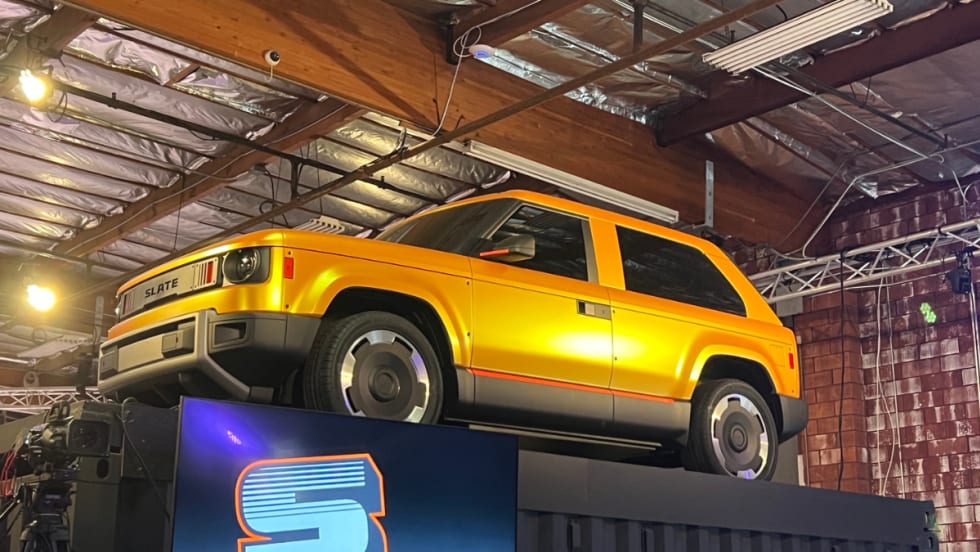
Slate Electric SUV, Pickup Switchable Model Aims For Light-Duty Fleets
Everything about this EV is counterintuitive and understated, making it stand out from the crowd.
Read More →
Inspiration Mobility Acquires Key Electrada Assets
Inspiration Mobility Group has acquired select assets of Electrada, adding the fleet electrification provider's team, technology, and charging infrastructure development capabilities to its energy management business.
Read More →
Turning Connected Vehicle Data Into Decisions That Matter
Fleet leaders have more data than ever, but turning that data into clear, actionable decisions remains a challenge. This white paper shows how leading organizations are using connected vehicle data to improve safety, reduce costs, and optimize fleet performance. Learn how to turn insight into action across your fleet.
Read More →
Are You Tracking Your Fleet's True Total Cost of Ownership?
Bobit Business Media surveyed 190 fleet professionals and found that while most fleets are tracking costs, fragmented systems and data gaps are keeping true TCO visibility out of reach. With rising pressure to control spend in an increasingly volatile environment, the gap between what fleets think they know and what the data actually shows is wider than you might expect. See how your peers are managing costs today and where the industry still has room to improve.
Read More →