




Learn More: Bimbo Bakeries & Purolator Fleets Take EV Use to Next Level
Key Considerations for Electrifying Medium-Duty Fleets
Shared are the top eight items to consider when evaluating commercial medium-duty EVs for your fleet, from routes and usage patterns to driving training.
by Joanna Hamblin, Motiv Power Systems
April 27, 2021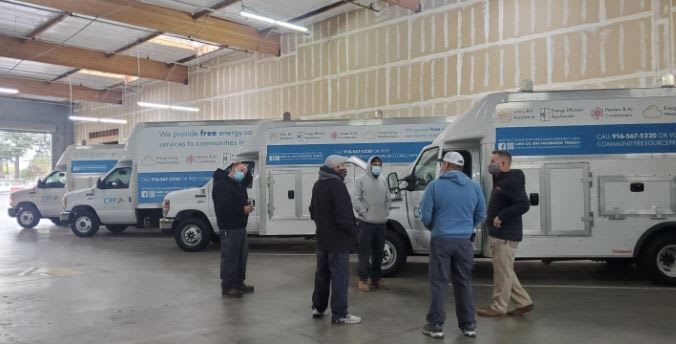
Many fleets who receive driver training after the initial deployment see an increase in range efficiency.
Photo: Motiv
6 min to read
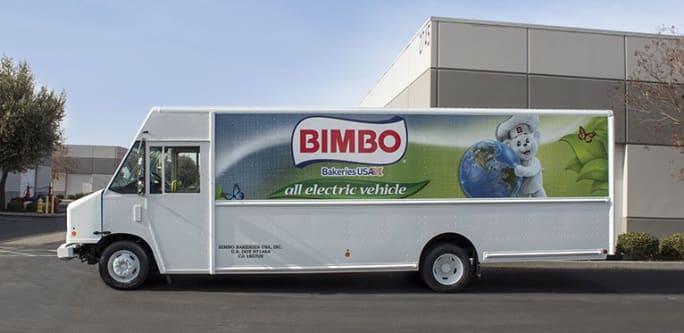
Based on learnings from Motiv's deployments, fleet customers can expect to see up to 85% operating and maintenance savings over internal combustion engine (ICE) vehicles.
Photo: Motiv
Driven by progress in the passenger car segment, the tipping point for electrification is here. The market is gaining momentum as fleets look to reduce costs, meet new regulations, and address social pressures for cleaner transportation options.
There are a few key considerations to take into account when electrifying fleets, the process is more involved than just purchasing an electric vehicle (EV). Here are the top eight items to consider when evaluating commercial medium-duty EVs for your fleet, from routes and usage patterns to driving training.
1: Routes & Usage Patterns
Medium-duty EVs are ideal for fleets with fixed daily routes such as those serviced by shuttle buses, delivery trucks, and school buses. A set number of miles per route removes ambiguity. It clarifies what kind of battery capacity is needed – one of the most critical aspects of designing the correct vehicle type for the job. EV technology is new for medium-duty fleet professionals. Gaining basic knowledge of key terminology will help ensure the right battery size scoping after evaluating the route and usage patterns.
The vehicle's battery pack efficiency is commonly expressed as kWh/mile (comparable to the unit measure of "miles per gallon" on internal combustion vehicles), or the amount of energy (in kilowatt-hours, or kWh) it takes to drive each mile. However, be careful as the real-world kWh/mile may vary dramatically from some manufacturers' reports in ideal test-case scenarios. Sometimes the nameplate-or "nominal" battery energy- and the usable battery energy will change as many battery packs cannot be discharged fully to 0%. Drivers will want to return with some nonzero residual energy in their battery pack at the end of the day.
Ask your vehicle manufacturer to provide examples of use cases as a starting point for your procurement and data supporting the real-world range achieved by fleets running routes similar to yours.
2: Return on Investment (ROI)
Operating and maintenance (O&M) cost savings and warranty provisions are two of the most significant EV determinants of return on investment (ROI). One of the reasons fleets have adopted EV technology is the total cost of operations (TCO) savings, including O&M savings that help speed up the project's ROI. Based on learnings from Motiv's deployments, fleet customers can expect to see up to 85% O&M savings over internal combustion engine (ICE) vehicles.
Ask about warranties to understand what exactly is covered and for how long. Battery warranties are frequently cited separately from the vehicle. They may include an allowance for capacity fade, a condition where a battery's usage can slowly decrease the total capacity over the vehicles' lifetime, which could mean minor range reduction.
Two additional questions to ask are: Are extended warranties available for purchase after the original warranty is over? What's included in the maintenance schedule and the service intervals?
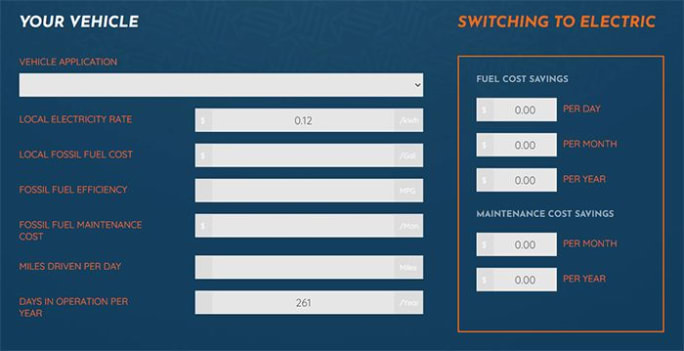
Operating and maintenance (O&M) cost savings and warranty provisions are two of the most significant EV return determinants on investment (ROI).
Photo: Motiv
3: Incentives
In addition to O&M savings, many states, cities, and local sustainability organizations (for example, Clean Cities) offer rebates, tax credits, and incentives that help offset EVs' upfront costs. Each program has different requirements, such as requiring the scrapping of old vehicles, route location, and more. These incentives, processes, deadlines, and program requirements are significant to follow and require detailed eligibility information.
Upgrading to an electric fleet can also create new revenue streams by monetizing low carbon fuel standard (LCFS) credits. California's Low Carbon Fuel Standard (LCFS) program estimates electric fleet adoption can generate $5,000 to $8,000 per vehicle per year, depending on usage.
The process to secure incentive funding can be lengthy and time-consuming; we encourage our customers to start applying for funding as soon as they start their projects. Make sure to partner with a vehicle manufacturer with a track record of working with fleet customers to collect and report data to secure funding.
4: Compliance
The California Advanced Clean Truck (ACT) regulation mandates an increasing percentage of Class 2b-8 truck sales starting 2024. By 2035, 55% of Class 2b-3 truck sales and 75% of Class 4-8 will need to be electric. Additionally, a new reporting mandate is taking effect where fleet owners with 50 or more vehicles will need to report on their fleet operations to help identify future strategies for greenhouse gas (GHG) reduction initiatives.
Over a dozen other states have also followed suit with similar mandates. Start planning your vehicle electrification strategy early so that you can meet these regulations without having to rush to meet deadlines. Another reason to get ahead is that often when regulations come into effect, incentives are phased out.
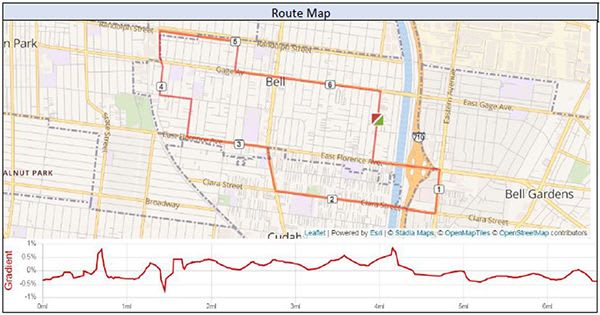
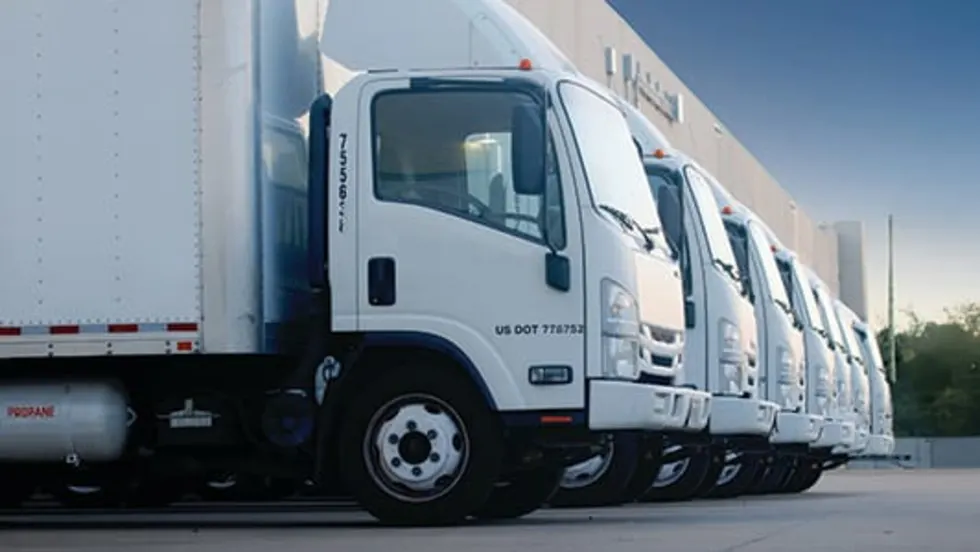
Medium-duty EVs are ideal for fleets with fixed daily routes such as those serviced by shuttle buses, delivery trucks, and school buses.
Photo: Motiv
5: Sustainability Goals
Many organizations enforce carbon reduction targets and monitor their greenhouse gas (GHG) emissions offsets. With zero tailpipe emissions, as well as quantifiable business objectives, fleet electrification can accomplish both. Additionally, supply chain-driven sustainability mandates now require more transparency and compliance with carbon-reduction measures.
6: Charging Infrastructure
Charging Infrastructure consists of the charge stations, also known as Electric Vehicle Supply Equipment (EVSE), the electrical wiring, conduits, panels, transformers, and other electrical equipment necessary to power your electric vehicle. Charging infrastructure can be a much larger and more complex system for commercial vehicles since their daily electrical energy use is much higher than electric passenger cars.
Commercial charging infrastructure is not one-size-fits-all. Charging infrastructure should be "right-sized" to the fleet and those vehicles' daily energy needs. Many charging infrastructure providers are not trying to optimize the same cost structure as the fleet operator; they are looking to install the most significant project, not necessarily a right-sized, efficient system. Not right-sizing your charging infrastructure can triple its cost and significantly impact ROI. Work closely with the vehicle manufacturer to understand the vehicle charging capability and the daily energy usage of vehicles to ensure you install the correct number of charge stations with the right power per station and overall power at a given site.
7: Driver Training & Support
As with any new technology, formal training upon initial and any subsequent vehicle deployments will help ensure project success. Many of the fleets who receive driver training after the initial deployment see an increase in range efficiency.
Documenting driver feedback is essential and can assist with further product improvements, new feature development, and route optimization. Early adopters of EVs report certain drivers become EV evangelists. In addition to fewer vibrations, engine heat, toxic emissions, and noise, fleet operators report some unexpected benefits of driving electric trucks, including less fatigue that comes with single-pedal regenerative braking and more time spent with customers vs. fueling. Fleet managers have leaned on these evangelists for future training, and they've become an essential part of subsequent implementations.
Vehicle support starts with proper vehicle maintenance training at the start of each deployment. Empowering operators with simple pre-shift inspection practices ensures fleet longevity. To maintain the best fleet uptime performance, make sure your vehicle manufacturer has a dedicated local support team to provide quick and convenient service if/when needed.
8: Vehicle Performance
It's vital to collect and evaluate driver and depot manager feedback, especially early on in the deployment. A key indicator of success in vehicle deployment is measured by uptime. Motiv calculates fleet uptime every week, counting vehicle down days as a percentage of total vehicles in service. Make sure to review this information with your vehicle manufacturer before making any decisions.
Regardless, the best way to see if an EV is suitable for your medium-duty fleet to get behind the wheel.
About the Author: Joanna Hamblin is the senior marketing manager for Motiv Power Systems and has has over 15 years’ experience developing integrated, creative, results driven marketing programs for leading B2B cleantech hardware companies. This article was authored and edited according to WT editorial standards and style to provide useful information to our readers. Opinions expressed may not reflect that of WT.
Originally posted on Work Truck Online
Subscribe to Our Newsletter
More Green Fleet
Sponsored•October 1, 2026
New Propane Autogas Program Offers Fleet Compensation
Qualified commercial fleets can receive $7,500 per eligible propane autogas vehicle and up to $10,000 for new refueling site prep. Learn how the program works and see whether your fleet qualifies.
Read More →
EV Charging Use Is Outpacing Infrastructure Growth
ChargePoint’s 2026 Charging Forward Report points to rising charger use, higher-powered charging, commercial vehicle electrification, and energy-management technology. Here’s what fleets should know.
Read More →
Merchants Fleet Reports 290M EV Miles as Fleets Navigate Changing Electrification Market
From millions in operating savings to hundreds of millions of EV miles, Merchants Fleet’s latest report reveals what’s working and what’s changing in fleet electrification.
Read More →
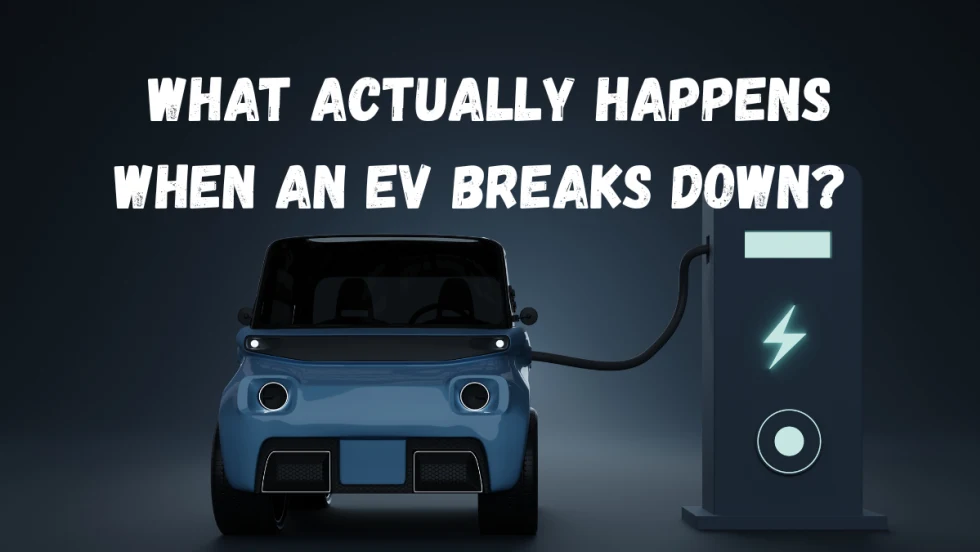
The EV Breakdown Nobody's Talking About: Why Most Electric Vehicle Roadside Calls Aren't Mechanical Failures
Here's why EV breakdowns are widely misunderstood.
Read More →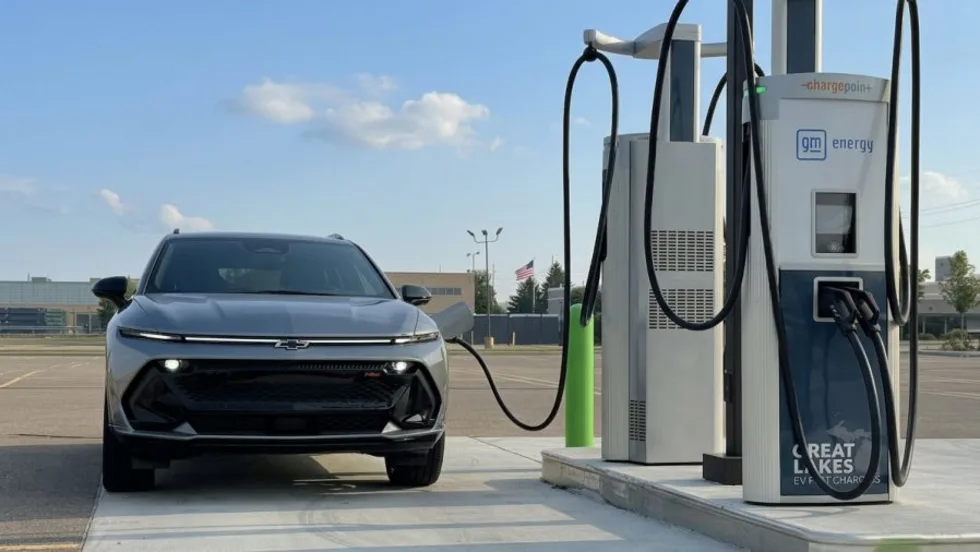
ChargePoint Now Available in Energy Pass
ChargePoint and additional planned charging network integrations were added to GM's Energy Pass.
Read More →

First Look: Slate Auto's Electric Fleet Pickup
Could an affordable, modular EV pickup make electrification more practical for fleets?
Read More →
Slate Debuts Colorful, Unique EV Models
A recent media and client event, studded with electric vehicles dressed up on platforms, planted a new position for the manufacturer in the wider EV market. Fleets will find cost-saving advantages.
Read More →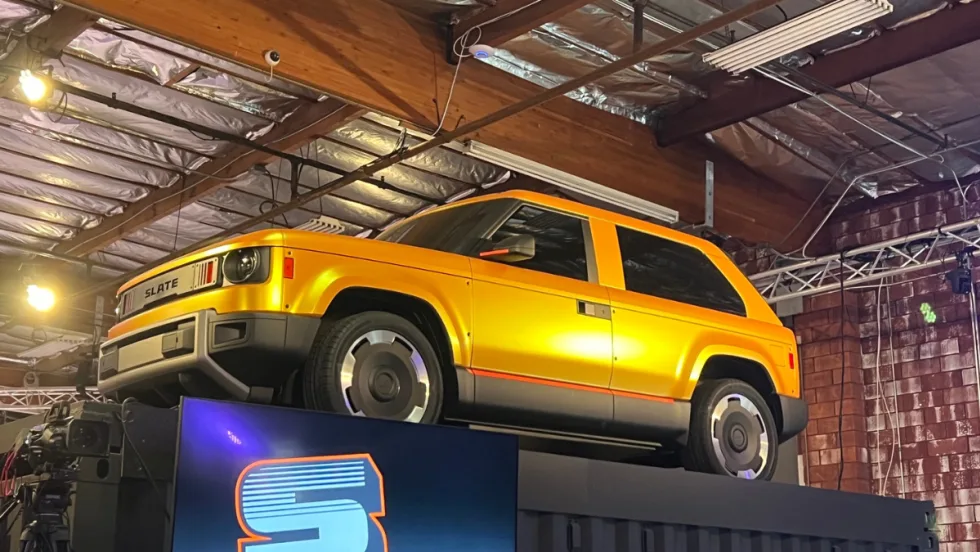
Slate Electric SUV, Pickup Switchable Model Aims For Light-Duty Fleets
Everything about this EV is counterintuitive and understated, making it stand out from the crowd.
Read More →
Inspiration Mobility Acquires Key Electrada Assets
Inspiration Mobility Group has acquired select assets of Electrada, adding the fleet electrification provider's team, technology, and charging infrastructure development capabilities to its energy management business.
Read More →