




Keeping Trucks Safely on the Road
Regardless of the size of the fleet's trucks, drivers, must observe safety precautions at all times, from inspection to destination and back.
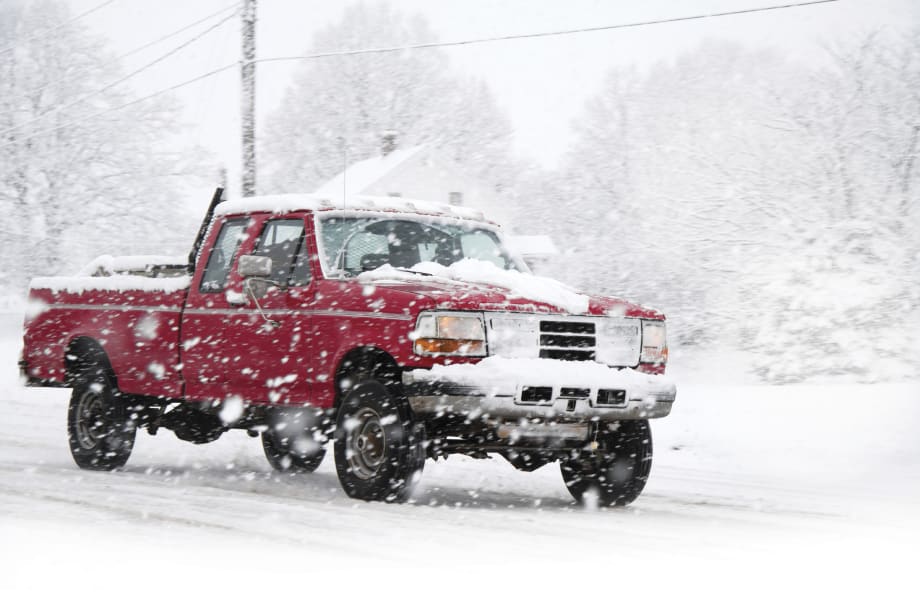
Image courtesy of iStockPhoto.com.
Image courtesy of iStockPhoto.com.
Although the primary goal of good truck driving practices is to keep you and others safe on the road, good driving has the additional benefit of preventing unnecessary wear and tear on light- or medium-duty trucks and helps control insurance costs.
Here are 10 key safety tips to remember while on the road:
1. Know the limits.
On long road trips, it’s easy to get drowsy, and that’s when accidents happen. Ensure drivers start their trips fresh, and, if they feel fatigued on the road, instruct them to pull over and take a nap.
2. Check the brakes.
Brake failure is obviously a potential disaster. Check brakes often and carefully, especially if driving through mountainous areas or on steep declines.
3. Check tires.
A blowout on the road can endanger the driver and other vehicles. An ounce of prevention — a timely tire replacement — is worth a pound of cure.
4. Keep a space bubble.
Trucks do not stop on a dime — even light-duty trucks take time, especially when carrying a full load. And, remind drivers that braking time increases substantially in rain, on snow or ice, and when going downhill.
5. Pay super-close attention in work zones.
Besides the fact that speeding in a work zone can result in the loss of a driver’s license, the risk of a serious accident is much higher.
6. Zero distracted driving.
Cell-phone use while driving, especially texting, is becoming an epidemic. In addition, eating behind the wheel or trying to figure out directions while driving are also serious distractions.
7. Keep all safety items stocked.
A driver’s safety kit should include items such as usable spare tires, tools, flares, reflective triangles, and first aid supplies. The unexpected can happen at any time on the road, but, if drivers are prepared, they will be able to make the most of whatever bad situation comes their way.
8. Always wear a seat belt.
It may be obvious, but wearing a seat belt is so important that it must be mentioned.
9. Exercise patience.
Like driving while texting, road rage is another modern driving phenomenon that can cause serious safety and liability issues. Instruct drivers to avoid confrontations with other drivers, as this will only make a bad situation worse. On heavily trafficked roads, drivers should be prepared for vehicles to attempt to pass on the right or where there is insufficient space to safely do so.
10. Don’t speed.
Driving too fast for conditions is a common cause of truck accidents, and one of the most common reasons to be issued a ticket. Speeding isn’t worth losing a license, and, with that, a driver’s job. Remind drivers that it’s far better to arrive a few minutes late than not at all.
The Bottom Line
Driving a truck, whether small or large, is a big responsibility. Great drivers are well aware of this, and take a professional, disciplined approach to road safety, whether they are going across the country or across the street.
Scott Van Beek has more than 15 years of experience at Raney’s Truck Parts, specifically working for the service center. He has been in the hydraulics industry for almost 40 years.
More Operations

How Fleets Can Recruit and Train Veterans for Technician Roles
Here's how the technician shortage has affected uptime for fleets, and what to do about it.
Read More →
Avis Budget Group Deploys Neology Toll Management Technology Across Major Brands
Neology’s neoFleet platform will manage toll transactions and toll-authority operations for vehicles across Avis, Budget, Payless, Budget Truck and Zipcar.
Read More →
Fleet Personal-Use Charges Edge Higher in 2026
Nearly eight in 10 surveyed fleets allow personal use of company vehicles, while just over half of respondents report charging employees for the privilege.
Read More →
The Future of Fleet + What’s Changing Right Now | AF News Recap
Could developments overseas offer a preview of what’s coming for U.S. fleets? This week, we’re looking at the future of AI, autonomy, and electrification, plus Ford Pro’s new certified pre-owned program, smarter vehicle offboarding, and a new way for fleets to manage toll expenses.
Read More →
How to Handle Vehicle Offboarding
What do fleet managers need to do when a driver leaves?
Read More →
Fleet Manager’s Ultimate Playbook: Navigating the New Standard in OEM Connectivity
Rising operating costs, driver safety concerns, and unplanned downtime are putting unprecedented pressure on modern fleets. Discover how fleet managers use embedded OEM connectivity and real-time vehicle data to cut TCO, prevent downtime, and protect drivers without aftermarket telematics hardware.
Read More →
U.S. Bank Adds Verra Mobility Toll Management to Voyager Fleet Platform
The integration allows U.S. Bank Voyager fleet customers to manage toll payments and violations alongside fuel, EV charging and maintenance expenses.
Read More →
ADAS Prevents Crashes. But Repairs Cost More | AF News Recap
ADAS-equipped vehicles may crash less often, but they can cost more when they do. This week, we’re breaking down what that tradeoff means for fleets, plus Subaru’s first Forester Wilderness Hybrid, Nissan’s new e-POWER Rogue, and why Calstart has become Catalyst Mobility.
Read More →
Moventum Fleet Management Names Mark Iorillo Head of Sales
Iorillo brings nearly 20 years of fleet management and sales experience to the role, including previous positions at Element Fleet Management, CEI, Donlen and Ryder.
Read More →
Fleet Has a Talent Pipeline Problem. What Comes Next? | AF News Recap
Where will fleet’s next generation of leaders come from? This week, we’re looking at the industry’s talent pipeline, what certification can add to a fleet career, how to build an award-worthy track record, and the return of Automotive Fleet’s Personal Use Survey.
Read More →