





Related: Proposed California Bill Aims to Ditch Diesel by 2050
Keep Fleets in Mind When Considering the Country’s First Proposed Electric Truck Standard
Remember compliance cars? California Air Resources Board (CARB) proposed Advanced Clean Truck rule feels like its 2012 rule dictating zero-emission passenger cars. Only this time, fleets are involved.
October 29, 2019
In California, the transportation sector alone accounts for 41% of total greenhouse gas (GHG) emissions and is a major contributor to oxides of nitrogen (NOx) and particulate matter (PM) emissions.
Photo: Bobit
3 min to read
Last week, the California Air Resources Board (CARB) released details of its proposed Advanced Clean Truck rule, which would become nation’s first zero-emission vehicle (ZEV) standard. The rule would require truck manufacturers to sell increasing percentages of electric models from model years 2024 to 2030.
The rule proposes that in 2024, ZEV sales — battery electric (BEV) or hydrogen-powered fuel cell electric truck/chassis — would need to be 7% of Class 4 to Class 8 straight trucks sales and 3% of all other truck sales. By 2030, ZEV truck/chassis sales would need to be 50% of Class 4 to 8 straight trucks sales and 15% of all other truck sales.
CARB is not undertaking this lightly, as evidenced in its 50-plus page “statement of reasons” document. As always, CARB is doing its due diligence with stakeholders. However, knowing the state of the electric truck market today, requiring half of all Class 4 to 8 trucks sold in 10 years to be ZEV will be a monumental task.
Fleets can rest easy. While California fleets are having to comply with CARB’s increasingly stringent rules governing diesel trucks, this proposed rule dictates what truck manufacturers can sell in the state, not what fleets must buy.
That’s a big part of the problem. This new rule forces truck OEMs to manufacture and sell electric trucks without a tested market of buyers.
The last time CARB issued a ZEV standard wasn’t that long ago. In 2012, CARB mandated that automakers that sell at least 60,000 ZEVs a year based on a percentage of total California sales. Failure to meet the targets would result in losing the ability to sell any vehicle in California.
Thus, electric “compliance cars” were born. Remember the Chevrolet Spark EV, Fiat 500e, Honda Fit EV, and Ford Focus EV? Manufacturers created these vehicles with one goal only, to satisfy California’s ZEV sales requirements.
Compliance EVs were sold in small numbers, relying a market of first adopter consumers that could afford to take a chance with the new technology. Those buyers’ overall capitalized costs were reasonable enough. Charging infrastructure was easily solved with an inexpensive Level 2 home charger. As a second vehicle, range was less of an issue. Few worried about what their EVs would fetch in the used car market (which was very little).
Electric trucks are a different story. They’ll be used by fleets with a vast array of duty cycles. They’ll need to be upfitted to their task. Installing the charging infrastructure requires working with utilities that haven’t yet figured out how they’ll get the required amount of electricity to fleets’ charging depots, which will be exponentially more expensive and intricate than home charging. In some areas that amount of power isn’t even available, because the present infrastructure isn’t built to carry that load.
You can see how reaching this sales target within 10 years feels like we’re throwing darts blind.
This all doesn’t negate the fact that California has the worst air pollution in the country, and the biggest single contributors to that pollution are on wheels — medium- and heavy-duty trucks. In California, the transportation sector alone accounts for 41% of total greenhouse gas (GHG) emissions and is a major contributor to oxides of nitrogen (NOx) and particulate matter (PM) emissions.
These emissions have a definable health cost, from lung infection, asthma, and cancer.
So yeah, something needs to be done. CARB is in great part responsible for California’s leadership position when it comes to proliferation of electric cars. However, the zero-emission passenger car mandate produced many cars that consumers weren’t ready for.
There will be no “compliance trucks.” We don’t have that luxury when it comes to the fleet market.
Subscribe to Our Newsletter
More Fleet Forward

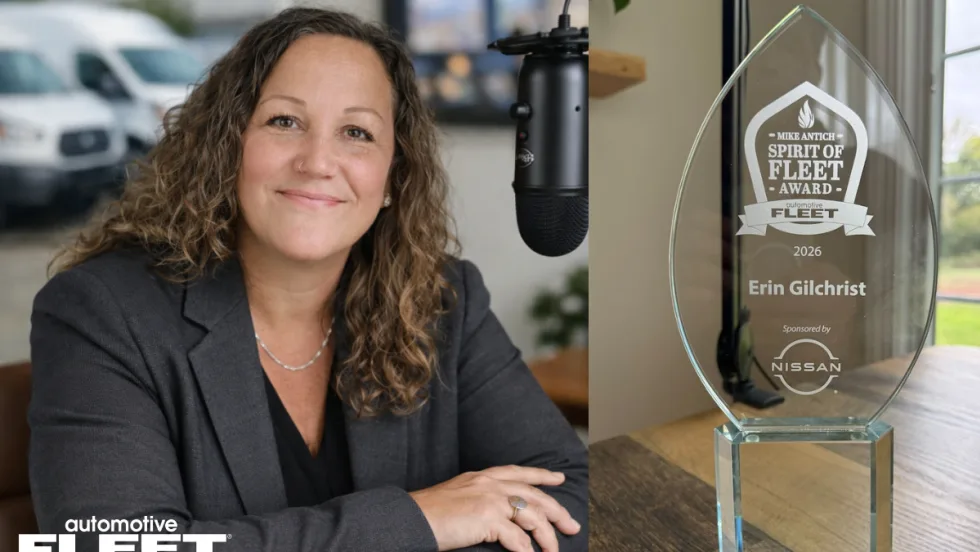
Erin Gilchrist Receives Mike Antich Spirit of Fleet Award
Last week at AFLA in Vegas, Erin Gilchrist received the inaugural, brand-new Spirit of Fleet Award.
Read More →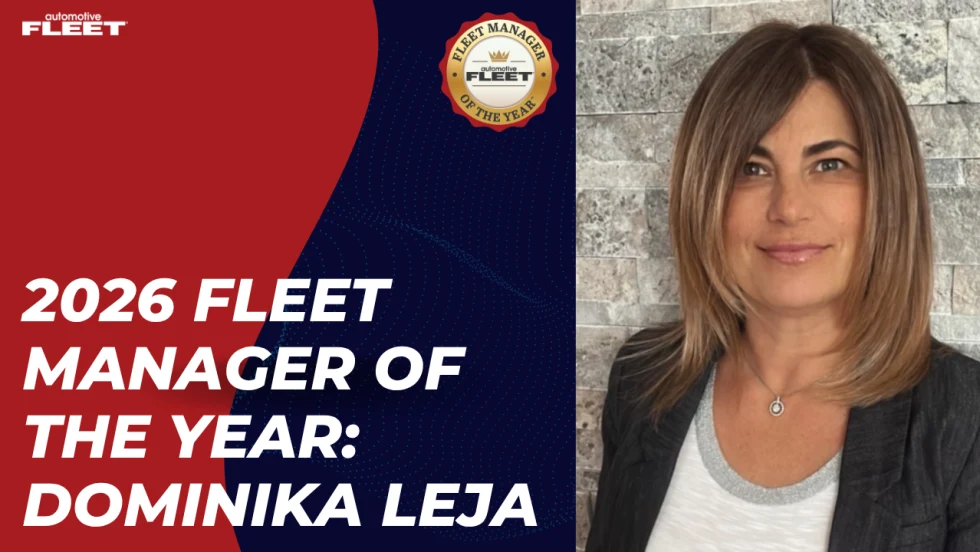
Dominika Leja Named the 2026 Fleet Manager of the Year
The AstraZeneca associate director of fleet was recognized for her leadership in fleet electrification, cost savings, and operational transformation.
Read More →
Jamie McKay Named the 2026 Fleet Visionary Award Winner
The Aptive Pest Control fleet manager was recognized for her approach to operations, data, lifecycle management, and driver needs.
Read More →
Fleet Forward Conference Introduces One-Day Passes for 2026
New one-day registration gives fleet professionals the flexibility to attend Tuesday, Wednesday, or Thursday, with passes available for $199 through Sept. 18.
Read More →
Vibe Coding: When Fleet Managers Become Software Builders
Five fleet professionals — none with programming skills — discuss how they’re using AI to build fleet solutions in-house and in a fraction of the time.
Read More →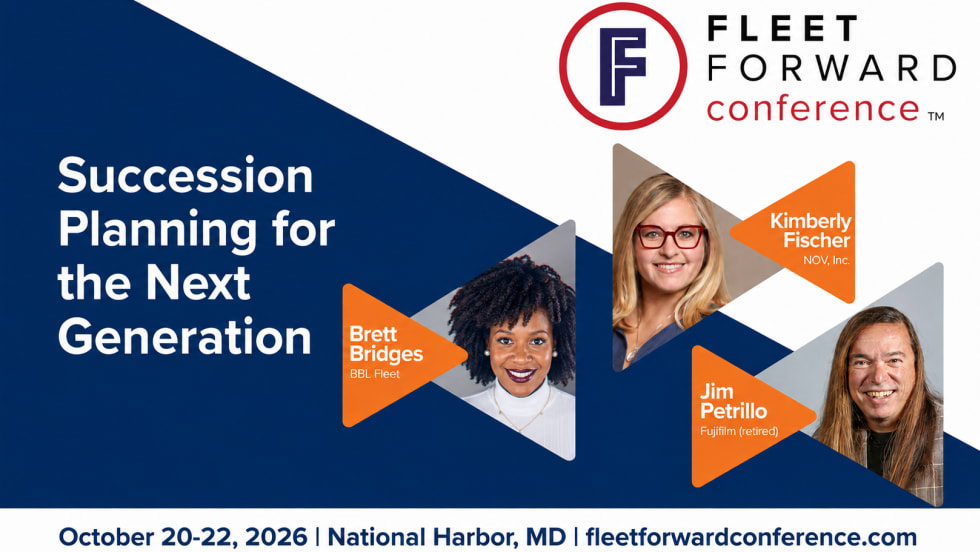
Fleet Forward Conference Tackles Fleet Industry’s Growing Leadership Gap
This session will examine succession planning, knowledge transfer, and the skills the next generation of fleet leaders will need as veteran professionals leave the industry.
Read More →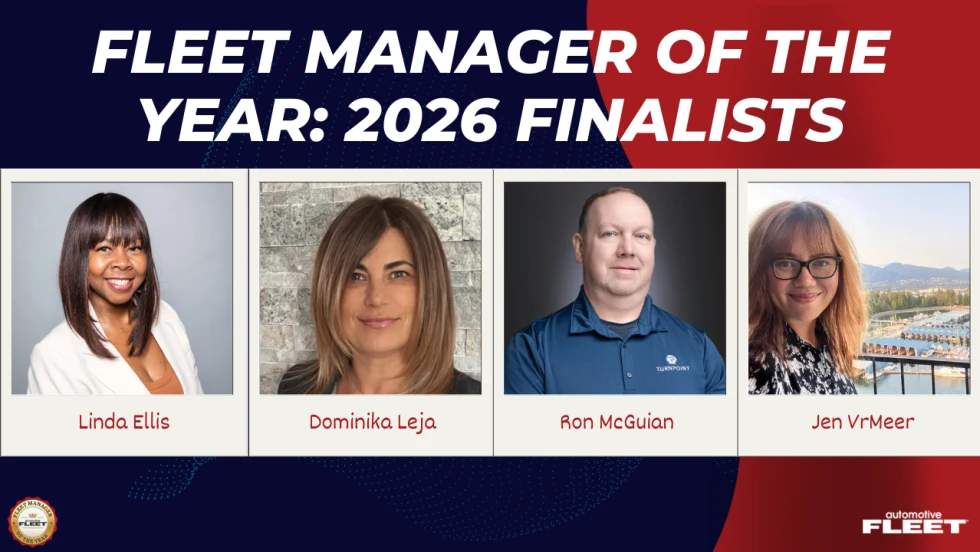
2026 Fleet Manager of the Year Finalists Announced
Who are the 2026 Fleet Manager of the Year finalists?
Read More →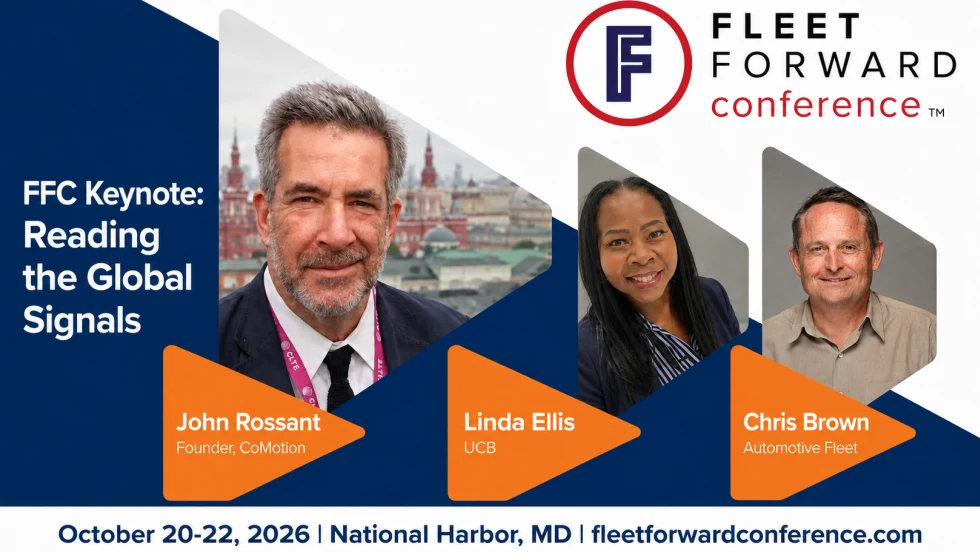
John Rossant to Deliver Opening Keynote at 2026 Fleet Forward Conference
The CoMotion founder will draw on developments across Europe, China, the Middle East, and other international markets to identify trends that could influence how U.S. fleets plan for the coming decade.
Read More →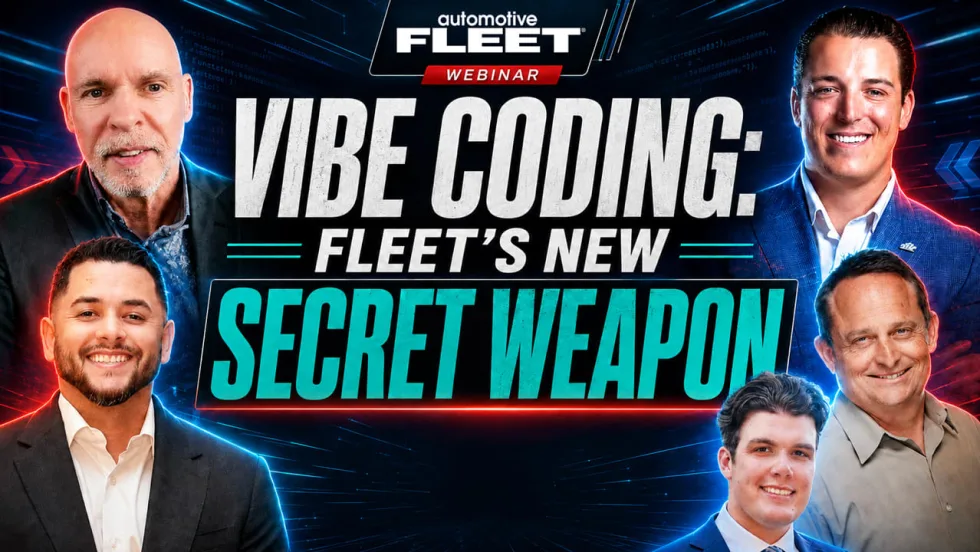
How to Build Custom Fleet Tools With AI and Vibe Coding [Webinar]
A new Automotive Fleet webinar explores how fleet managers are using AI and vibe coding to automate routine work and create simple operational tools without traditional programming skills.
Read More →