




It’s Cheaper to Operate a Fleet Today Than in 1955
Fleet Costs are Up 423%, But Inflation is Up 500%


The headline to this editorial almost seems counter-intuitive to the everyday experts of most commercial fleet managers. The pressure by senior management to reduce fleet costs has never been greater and the challenge to reduce these costs has never been tougher. But according to data compiled by PHH Arval from 1955 to 2002, total fleet costs have actually declined when you factor out the cost of inflation during this 47-year period. In 1955, the average monthly fleet expense was $100.75, while in 2002, the average monthly expense is $527, said Greg Corrigan, vice president of marketing and strategic business services for PHH Arval. These monthly expenses include all fixed, operating, and incidental costs, except personal use. Since 1955, average monthly fleet costs increased 423 percent; however, in comparison, the Consumer Price Index (CPI) increased 500 percent during this same time period. “When adjusted for inflation, it costs less today to operate a fleet than it did in 1955,” said Corrigan. When compared against the 500-percent increase in CPI, many fleet expense categories had a slower rate of increase. Gasoline. This is a fleet’s largest operating expense and also its most volatile. Fuel prices have been experiencing a roller coaster of volatility of peaks and valley in recent years. However, when examined over the past 47-year period, except for a steep rise during the oil crisis years of the 1970s, the cost of gasoline per month per vehicle rose below the rate of inflation. In fact, during the 10-year period from 1985 to 1995, gasoline prices actually declined when adjusted for inflation. A key factor that has helped mitigate the increase in fuel expense over the past 47 years has been the dramatic increase in vehicle fuel economy. However, since 1995, fuel costs have increased 20 percent from an average monthly cost of $113 to $137 in 2002. Tires. As a result of improvements in tire technology and the shift to radial tires, today’s tires wear better and last longer. “Since 1995, the increase in the cost of tires has been relatively flat, about 2.2 percent higher in 2002, which is about the rate of inflation,” added Corrigan. New-Vehicle Prices. For the past seven years, auto manufacturers have kept the lid on new-vehicle price increases. “In 1995, the average fleet price for a four-door intermediate was about $16,700,” said Corrigan. “Today, the dollar amount for a similar fleet-equipped four-door intermediate is about $17,700. But when you adjust for the additional standard equipment available in the 2002-model that was optional in 1995, then the average fleet acquisition cost decreases to $16,000.” Taxes. Since 1995, taxes on fleet vehicles have been flat. “There is a direct correlation between taxes and the cost of a new vehicle. Since new-vehicle prices have been flat since 1995, the increase in taxes has been almost zero since then to 2002.” Depreciation. “Although we are currently in a soft used-vehicle market, this wasn’t the case from 1995 to 1999 when the wholesale market was very strong,” said Corrigan. However, other fleet expenses have increased faster than CPI or at the same rate. For example: Insurance. From 1955 to 1995, liability insurance increased by 738 percent as a result of inflated jury awards and overall increase in the volume of litigation, especially against major corporation. Since 1995, liability insurance increased another 50 percent and promised to trend upward, especially following Sept. 11. Maintenance. These cost increases have paralleled CPI, which essentially means they have remained flat. Although the increased complexity of vehicles in inflating maintenance expenses, the increase in vehicle quality has helped to offset these increases. “Most costs have risen at a slower rate than inflation because of the focus by fleet managers in containing costs and the emphasis on education and the development of professional fleet managers by the National Association of Fleet Administrators,” said Corrigan. Looking Ahead
What is the short-term forecast for fleet expenses? The wholesale resale market is soft and, when compared against constant dollars, resale values are lower today than they were three years ago. But there is also good news. Interest rates are at a near all-time low, new-vehicle costs are flat, manufacturer incentive programs are extremely aggressive, and vehicle quality continues to improve helping to keep maintenance costs in check. The wild card is the future price of fuel. Let me know what you think.
More Operations
What Fleet Managers Really Want From Vendors
From customer service frustrations and technology breakdowns to RFQs, change management, and the growing impact of turnover across the industry, this conversation pulls back the curtain on the real operational challenges fleet managers are navigating every day.
Read More →
Fleet Safety Masterclass: Industry Leaders on Storytelling, Strategy & Innovation
In this special masterclass episode, industry leaders break down what it really takes to build safer fleets in today’s increasingly distracted and data-driven world.
Read More →
Integrating Legacy Fleet Systems and Historical Data
In this episode, we bring together fleet and technology leaders to unpack the realities of data integration, system migrations, and the evolving role of AI in fleet management.
Read More →

From Resistance to Results: Change Management Strategies for Fleets
From new technologies and safety programs to evolving regulations, fleets are under constant pressure to adapt. But as Dr. Betz explains, success isn’t about the system you implement—it’s about whether your people actually use it.
Read More →
Where We're Headed: A Practical Look at AI in Fleet
Discover how AI is actually being deployed in fleets, not just marketed, including practical use cases and emerging risks.
Read More →
How Coca-Cola United Protects Its Fleet from Growing Legal Risk
Growing legal exposure can put fleets at risk. Here's one company's approach.
Read More →
Fleet Managers Think They Understand Their Costs. The Data Says Otherwise.
Most fleet managers say they have a strong handle on their costs, but new research from Bobit Business Media tells a different story. A 2026 survey of 190 fleet professionals reveals a widespread "confidence gap" where fragmented systems, disconnected data, and delayed reporting are leaving major blind spots hidden beneath the surface. Find out what the data actually shows.
Read More →
Cameras, Safety and Insurance: From Reactive Claims to Real-Time Prevention (Part 2 of 2)
Part Two: Commercial auto remains one of the most challenging and costly lines of coverage for fleet operators and insurers alike. Continue learning more about how to effectively address these issues from Onur Aksan, Enterprise Business Development Executive, Geotab
Read More →
New Trucks, AI & Summer Downtime | AF News Recap
From new truck updates to AI-powered driver coaching and summer maintenance tips, this week's fleet headlines are all about keeping things moving.
Read More →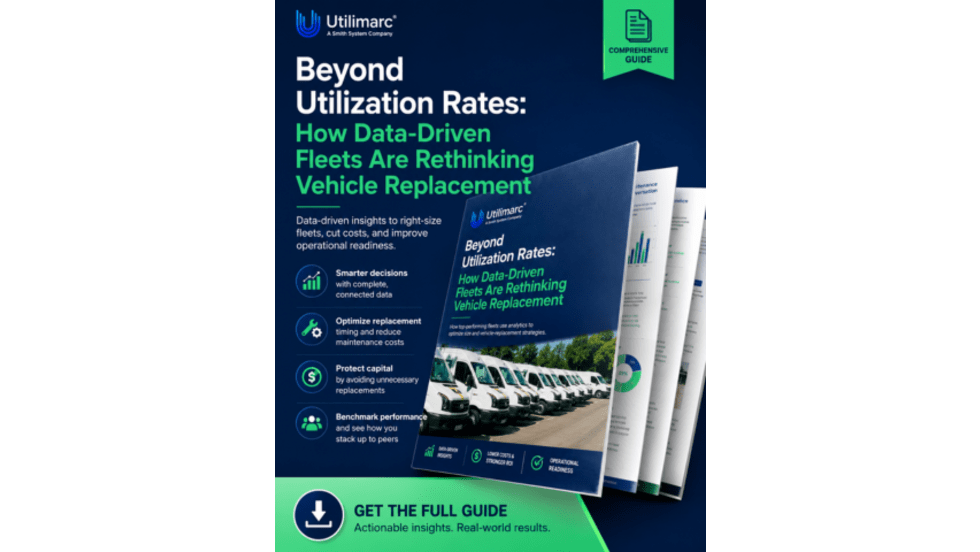
Beyond Utilization Rates: Smarter Fleet Replacement Decisions
Vehicle replacement decisions affect every aspect of fleet performance, from operating costs to asset availability. This guide explores how fleet leaders use integrated data, benchmarking, and lifecycle analytics to determine the right fleet size and optimize replacement timing with greater confidence.
Read More →