





Related: Outlining the Future of Aftermarket to Factory-Installed Telematics
Is Paying Drivers to Allow In-Cab Cameras a Good Idea?
With the idea that management can now literally look over the shoulder of drivers, this brings a new dimension to the Big Brother conversation.
February 3, 2020
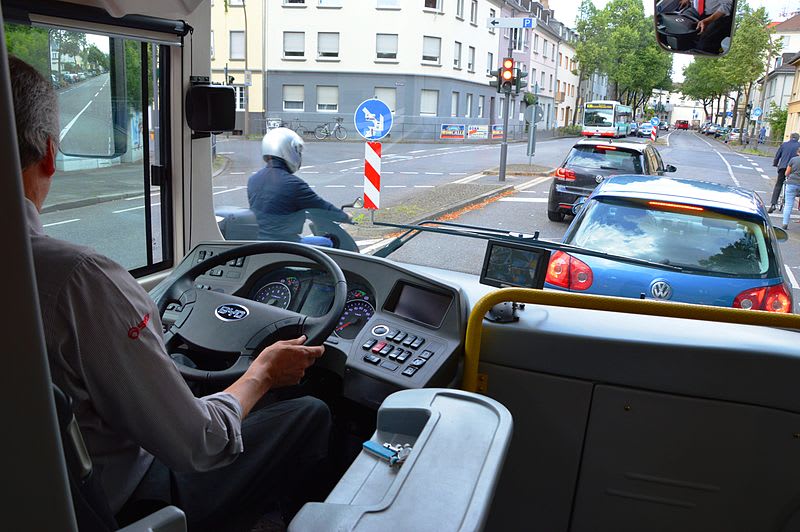
The latest trend in telematics is using video technology to monitor the surroundings of the vehicle on the road as well as the driver in the cab.
Photo via Spielvogel/Wikimedia.
5 min to read
In the days before we called it “telematics,” remember AVL (automatic vehicle location)? When that acronym was trending, the term Big Brother came along with it.
It took a while for the fleet and transportation industries to get comfortable with the idea that vehicles and their drivers could be located anywhere, anytime. But today there is a greater consensus that companies have a right to monitor their owned assets.
At the same time, both management and drivers understand that telematics produce safer, more productive fleets, while telematics data can potentially clear a driver from an accusation of wrongdoing.
The latest trend in telematics is using video technology to monitor the surroundings of the vehicle on the road as well as the driver in the cab. With the idea that management can now literally look over the shoulder of drivers, this brings a new dimension to the Big Brother conversation.
If the subject was broached to his drivers, “I’m sure they would not like it, they don’t like ‘the other things,’” says Tom Collom, a shop supervisor in West Texas for a major oil and gas producer. “They want to talk on the phone, they want to eat while they drive, and I’m sure that some still want to shoot a text message while driving even though it’s against the rules. They’d feel it’s an invasion of privacy.”
“Yes on the Big Brother theory,” says Steve Rooks, partner in Treasure Valley Fire with a fleet that uses telematics, but not cameras. “This is rural Idaho, a little redneck at times so we would not subject our crew to (a video) system.”
Gaining driver buy in on the implementation of a driver-facing camera system is not a simple task.
A Voluntary Decision?
Here’s how a large trucking company handles it: Illinois-based GP Transco is making driver-facing cameras a voluntary decision for all company drivers and will compensate the adopters with an extra two cents a mile.
While any driver would respond positively to extra pay and the flexibility to say no, some question the effects of this plan.
“I don't mind the idea of employees taking responsibility for improving their own driving behavior and skills by opting into technology that they believe in, like driver facing cameras,” says Kevin Aries of Verizon Connect, a large telematics provider. “But I don't think most businesses can afford to leave those decisions in the hands of their employees.”
To Aries’ point, if a driver who turned down the camera suffers a crash, would it legally complicate a potential third-party liability claim? Could the decision to accept or reject the cameras act as a wedge between fleet drivers or generate tension with management?
As with the old AVL track-and-trace systems, in-cab cameras should gain more acceptance with time. Will drivers still need the motivation of the extra cash? If the company faces a downturn, how will drivers react when that benefit is taken away?
Fleets have other tools to motivate drivers: “Instead of incentivizing employees on the adoption of that technology, use the data it provides to incentivize the behavior by rewarding employees for safer driving,” Aries says.
A metrics-based reward (or “gamification”) program could be augmented around positive performance that the cameras — both driver-facing and outside the vehicle — can measure.
Be Transparent
“Managing drivers’ perceptions around in-cab cameras is not all too far from how businesses were dealing with vehicle tracking,” Aries says. “And that's simply being transparent about what their employees and the company will gain from this. Employees who work in a safer environment are going to be better protected, they're going to be happier, and their companies are likely to be more successful.”
Nonetheless, each camera system functions differently. “That's where the conversation requires a little extra work, because the perceptions around in-cab cameras and the way they record and capture can be different based on the solution,” Aries says.
For instance, Verizon Connect’s camera system (which is only forward-facing) is always recording when the ignition is on. However, the system only delivers 15-second video clips when a harsh driving event is detected. The clips are delivered through the software only to the fleet manager or designated monitor.
Aries says to be prepared to field questions such as:
What does the video capture? How long will it be running?
How do I know when it's on or off?
Can you see me in the cab whenever you want?
Do I have access to video from my truck?
Will the company make any rules that limit the use of the technology in the name of driver privacy?
How often will the footage be reviewed? Is it going to be archived? Are you going to be able to “hold something against me” eight months from now?
Layers of Communication
Del Lisk, VP of safety services for Lytx, a video telematics provider, has spoken to many fleets considering implementation. He relays one fleet manager’s onboarding process for drivers:
“We first started talking with drivers about installing cameras even before we made a firm decision to move ahead,” the fleet manager told Lisk. “This helped us gauge drivers’ feelings and understand any potential issues.”
Once the company decided to implement a system, it went through multiple layers of communication:
A letter from executive leadership was sent to drivers letting them know it would be installing cameras, why the company was doing it, and when this would be occurring.
About 30 days before any camera installations the company held hour-long meetings with drivers. The first 30 minutes covered how the technology works, why it was selected over others, and how it would benefit both the company and drivers.
Not all drivers were able to make the initial meeting, so individual follow ups were scheduled. A video and other materials were posted on the company intranet for review.
During the weeks after installing the cameras, supervisors were continually checking in with drivers to answer questions and address concerns.
This transparent, forthright way of communication delivered positive results for the fleet.
“The opportunity for the video to protect drivers against false claims resonated strongly with drivers,” the fleet manager told Lisk. “It turns out several drivers had already had cameras in their trucks from previous jobs, so this helped to reduce concerns.”
In both outward-facing and in-cab camera technology, fleets have a powerful new tool to know exactly what happened when an incident occurred — a video recording of an event being even more effective than just dots on a map in many incidences.
“Our goal has never been to encourage monitoring, but instead to encourage safer driving behavior,” Aries says. Fleets that adopt this guiding principle and communicate it properly will find an easier path to acceptance with their drivers.
Subscribe to Our Newsletter
More Fleet Forward

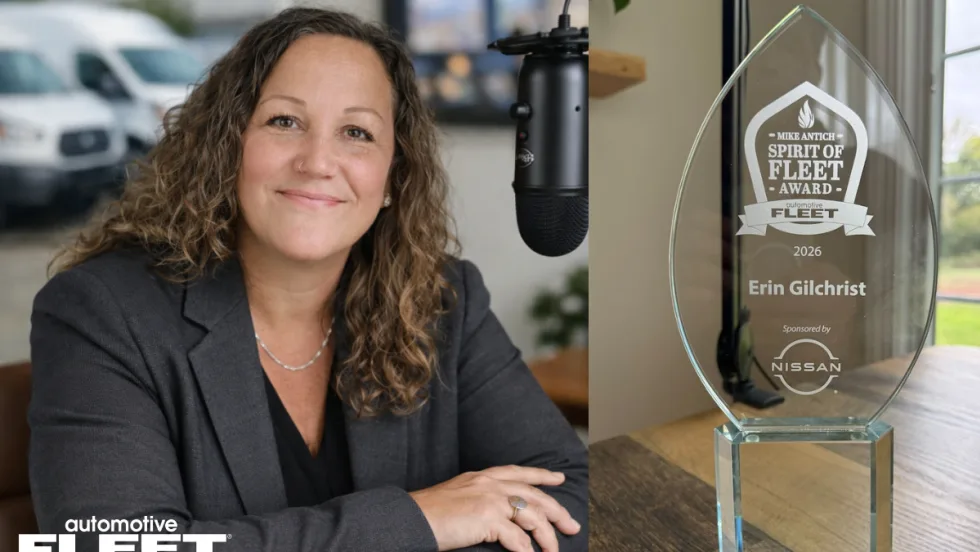
Erin Gilchrist Receives Mike Antich Spirit of Fleet Award
Last week at AFLA in Vegas, Erin Gilchrist received the inaugural, brand-new Spirit of Fleet Award.
Read More →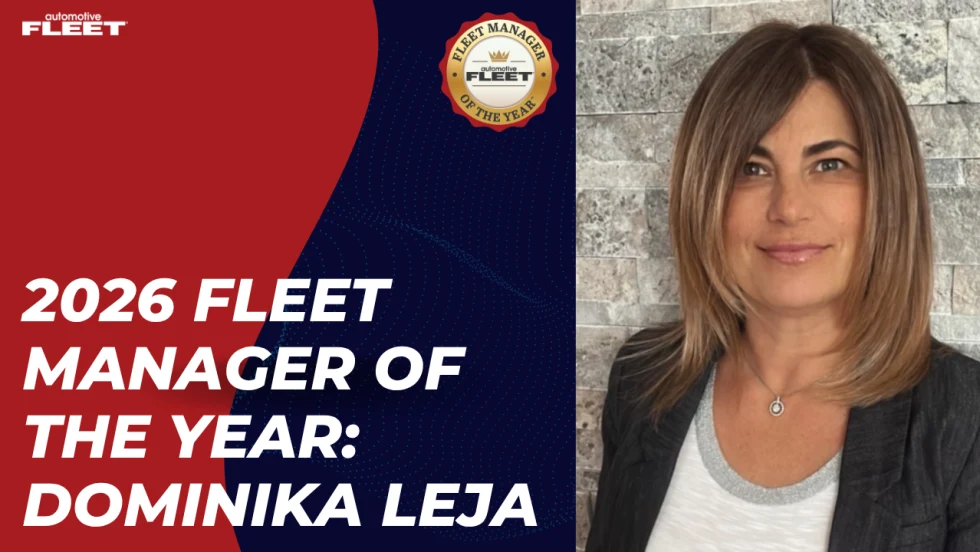
Dominika Leja Named the 2026 Fleet Manager of the Year
The AstraZeneca associate director of fleet was recognized for her leadership in fleet electrification, cost savings, and operational transformation.
Read More →
Jamie McKay Named the 2026 Fleet Visionary Award Winner
The Aptive Pest Control fleet manager was recognized for her approach to operations, data, lifecycle management, and driver needs.
Read More →
Fleet Forward Conference Introduces One-Day Passes for 2026
New one-day registration gives fleet professionals the flexibility to attend Tuesday, Wednesday, or Thursday, with passes available for $199 through Sept. 18.
Read More →
Vibe Coding: When Fleet Managers Become Software Builders
Five fleet professionals — none with programming skills — discuss how they’re using AI to build fleet solutions in-house and in a fraction of the time.
Read More →
Fleet Forward Conference Tackles Fleet Industry’s Growing Leadership Gap
This session will examine succession planning, knowledge transfer, and the skills the next generation of fleet leaders will need as veteran professionals leave the industry.
Read More →
2026 Fleet Manager of the Year Finalists Announced
Who are the 2026 Fleet Manager of the Year finalists?
Read More →
John Rossant to Deliver Opening Keynote at 2026 Fleet Forward Conference
The CoMotion founder will draw on developments across Europe, China, the Middle East, and other international markets to identify trends that could influence how U.S. fleets plan for the coming decade.
Read More →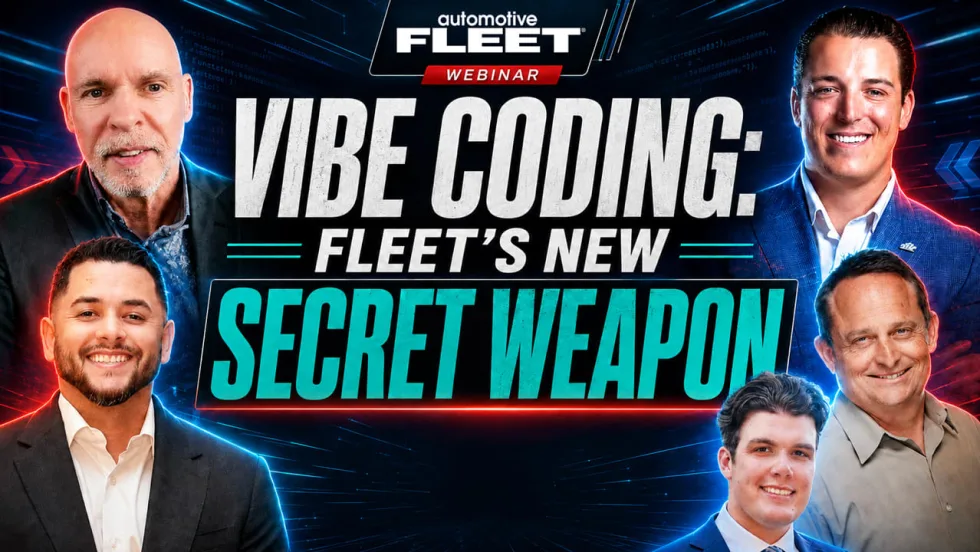
How to Build Custom Fleet Tools With AI and Vibe Coding [Webinar]
A new Automotive Fleet webinar explores how fleet managers are using AI and vibe coding to automate routine work and create simple operational tools without traditional programming skills.
Read More →