




Integrating Data: Identifying Untapped Opportunities for Fleets
WEX’s Kurt Thearling shares real-world integrations of telematics, driver, and fuel data sets that are driving fleet efficiencies and a process to get there.

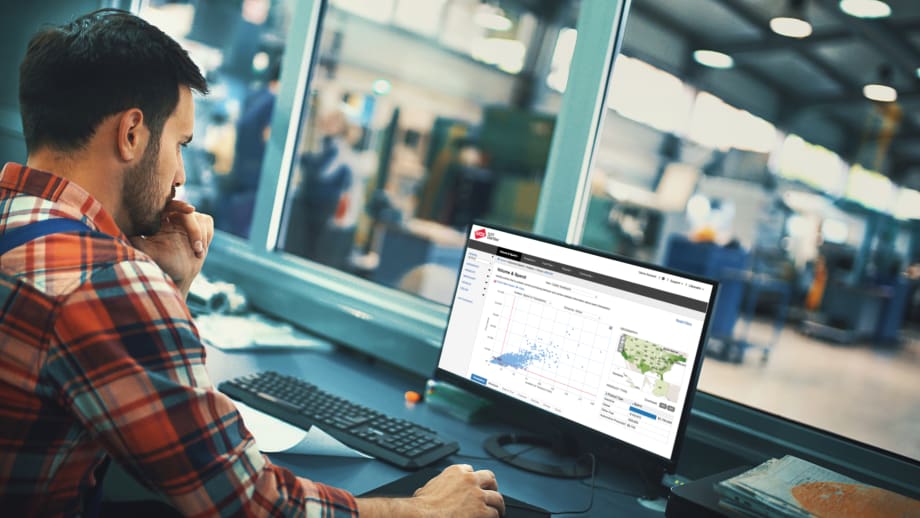
Telematics, driver, and fuel data sets are driving fleet efficiency.
Photo courtesy of WEX Inc.
You might think the expression “the firehose of data” is overused by now, if it weren’t for the fact that the size of the data pipe and what flows through it keeps growing.
Fleet operators are tasked with managing ever-increasing streams of data from obvious sources such as telematics. It’s now incumbent on them to begin to integrate with other sources such as fuel cards, EV chargers, navigation apps, and the connected car. They then need to analyze the data sets to tell a story and ultimately drive efficiencies for the fleet.
Yes, the phrase “firehose of data” is alive and well.
Though daunting, creating these integrations represents untapped opportunities for fleets, says Kurt Thearling, vice president of analytics for WEX Inc. But before sourcing the data, Thearling says fleets first need to consider how they’ll approach the analysis.
Though fleets don’t necessarily have the internal resources for analytics, it’s easier today than it was even a decade ago. “Large financial services companies would hire hundreds of employees for data analysis,” Thearling says. “Now you can get started with a small group, an open source tool, and services that you contract from a third party.”

[EMPTY CREDIT]
It’s important for fleets to lean on their vendor partners. Many of them, from telematics to fleet management and fuel card providers, have the advantage of processing millions of transactions every week across a wide variety of industries. “They have experience working with data that can go back decades. When additional data is brought into the mix, you can see more than you could’ve otherwise,” he says.
The next step is to identify and explore relevant data sets internally and among stakeholders, making sense of them, and then coming up with some meaningful insights. Once you have something interesting, look for ways to integrate the insights into business processes. Thearling gives some real-world examples of successful data integrations:
WEX matched one customer’s vehicles’ fuel levels from its telematics data with WEX fuel card transaction data at the pump. The integration was designed to make sure the vehicles’ fuel gauges reflected the number of gallons added to the tanks as a backstop against fuel fraud.
These types of integrations aren’t necessarily simple, as issues surrounding access to data and aligning the timing of the transactions need to be solved.
Another way to look at the data is to compare the tank size with the purchase. But some fleets may not know the tank sizes of all their vehicles. This is where another mini integration could be put in place: feeding data from previous purchases into machine learning algorithms to build a reliable model of tank size. Combining this kind of analysis with telematics can provide strong indicators of possible theft.
While monitoring fuel fraud is important, detecting instances of waste could yield greater cost savings.
Identifying when drivers are buying premium fuel is a worthy but straightforward data integration. It gets more interesting, Thearling says, when analyzing the wide price swings for regular fuel. Whereas a fleet wouldn’t see all pump prices in a geographic area, WEX can use its transactional data set to understand prices at nearly all stations.
“(The fleet sees) all the transactions that their drivers make, but they don't see that the station down the street has gas for 17 cents a gallon cheaper,” he says.
The reasons are generally benign, such as a free breakfast promotion or collecting more loyalty points. Yet mitigating this behavior could yield substantial cost savings.
Of course, ensuring the accuracy of the data is paramount. “If you’re going to be calling out a driver, you better be sure you're right,” Thearling says.
Another integration could help to overcome errant or undetailed vendor data, such as incorrect or lack of detail on fuel types and non-fuel purchases such as food. If the vendor data is messy, WEX can use historical data to find these problems and make corrections to the data.
“We've used AI and machine learning algorithms along with data that we’ve collected across all the fleets to better understand the nature of the transaction,” he says.
These examples represent a fraction of the data integration possibilities. What’s next?
Thearling sees the next frontier as tapping into the increasingly vast amounts of data coming out of connected vehicles, from not only engine specs and driving patterns but also new data sets such as the placement of the seats and cupholders and measurements of body weights, for instance.
“I don't know what that could be used for right now,” he says. “But I like the idea that somebody is finding new ways to look at this data that we're not already thinking about.”
Thearling will deliver a TEK talk, “Integrating Data Sets to Drive Fleet Efficiencies,” at the 2019 Fleet Forward Conference, Nov. 11-13 in San Jose.
More Fleet Forward
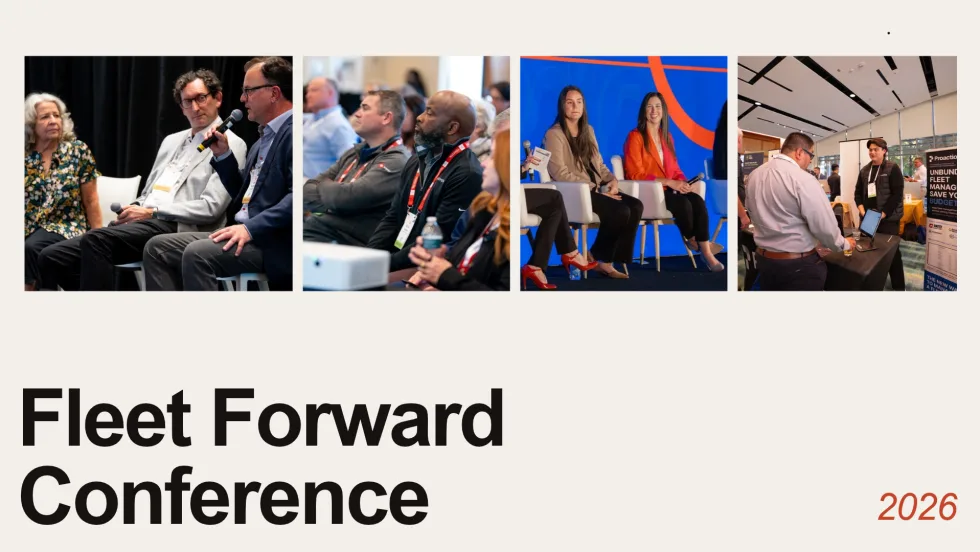
What Happened at Fleet Forward Conference 2026?
Here's what happened at this year's Fleet Forward conference, all in photo form.
Read More →
Chad Edmondson Named 2026 Fleet Safety Award Winner
The VSC Fire & Security fleet director oversees more than 1,100 assets nationwide. His approach to improving driver safety emphasizes collaboration, employee engagement, and building trust with the people behind the wheel.
Read More →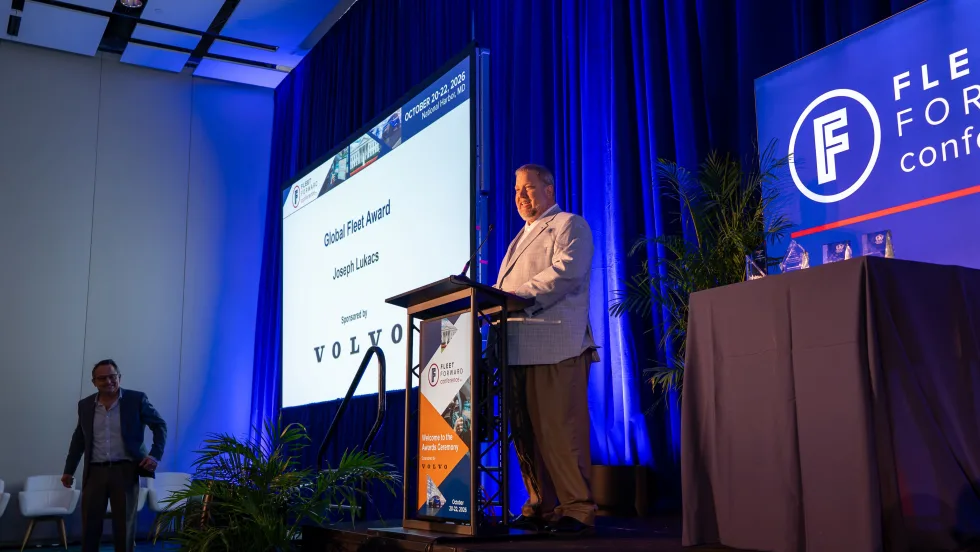
Joseph Lukacs Wins 2026 Global Fleet Manager of the Year
The Sherwin-Williams fleet leader adds another industry honor to his career after being named the 2025 Edward J. Bobit Professional Fleet Manager of the Year.
Read More →
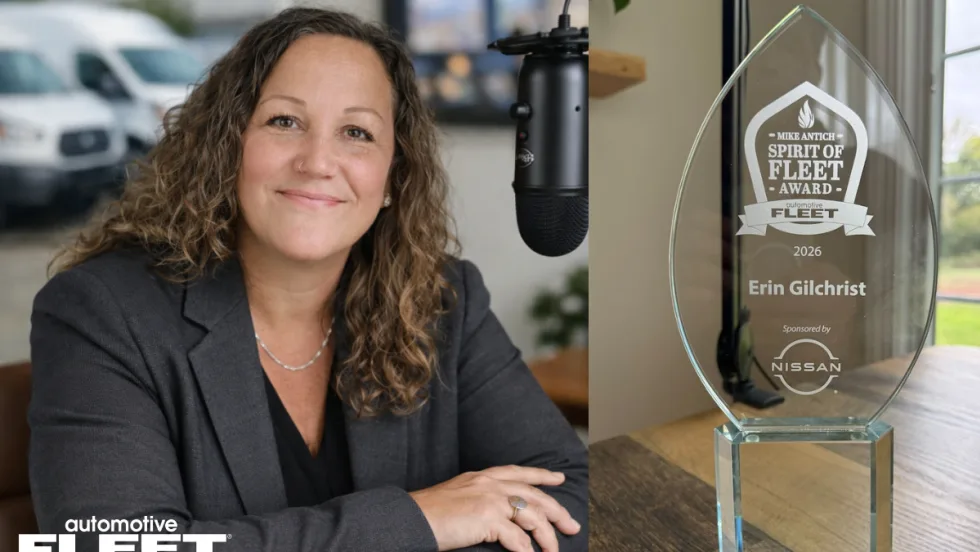
Erin Gilchrist Receives Mike Antich Spirit of Fleet Award
Last week at AFLA in Vegas, Erin Gilchrist received the inaugural, brand-new Spirit of Fleet Award.
Read More →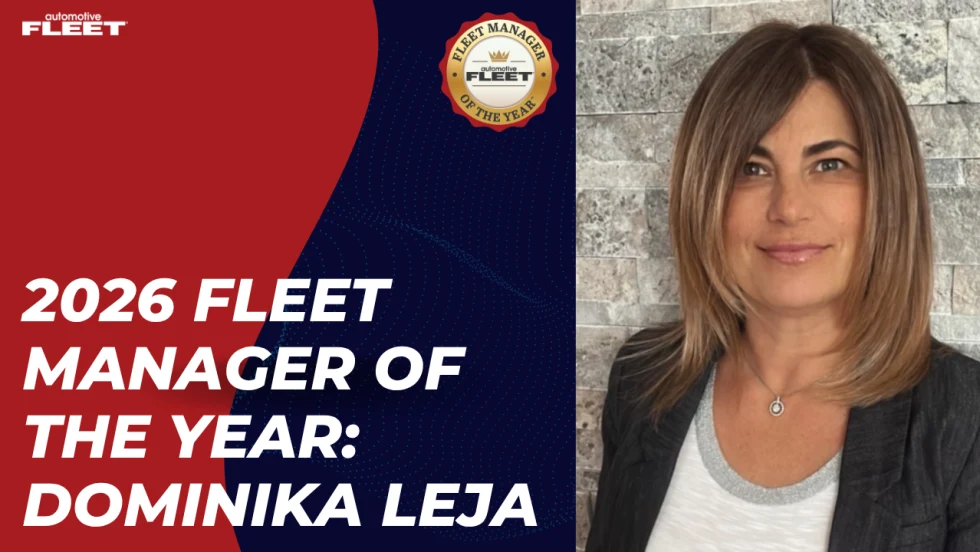
Dominika Leja Named the 2026 Fleet Manager of the Year
The AstraZeneca associate director of fleet was recognized for her leadership in fleet electrification, cost savings, and operational transformation.
Read More →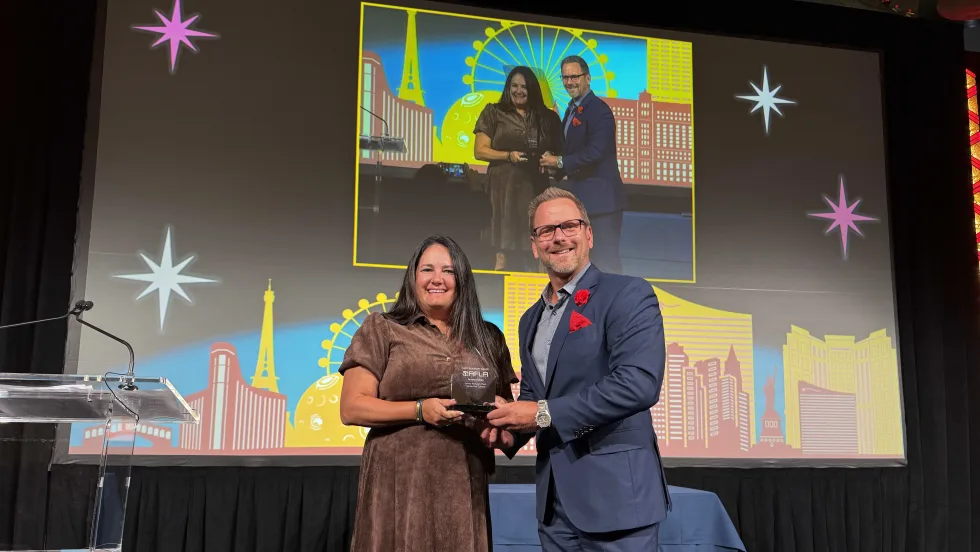
Jamie McKay Named the 2026 Fleet Visionary Award Winner
The Aptive Pest Control fleet manager was recognized for her approach to operations, data, lifecycle management, and driver needs.
Read More →
Fleet Forward Conference Introduces One-Day Passes for 2026
New one-day registration gives fleet professionals the flexibility to attend Tuesday, Wednesday, or Thursday, with passes available for $199 through Sept. 18.
Read More →
Vibe Coding: When Fleet Managers Become Software Builders
Five fleet professionals — none with programming skills — discuss how they’re using AI to build fleet solutions in-house and in a fraction of the time.
Read More →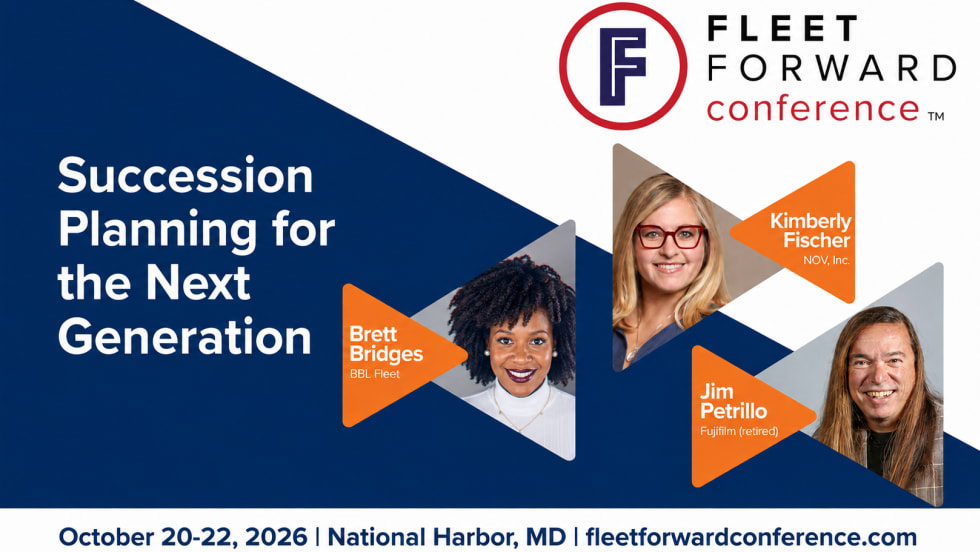
Fleet Forward Conference Tackles Fleet Industry’s Growing Leadership Gap
This session will examine succession planning, knowledge transfer, and the skills the next generation of fleet leaders will need as veteran professionals leave the industry.
Read More →