




Industry Icon Sam Lee Dies
The pioneer and market innovator passes away June 27, 1985, leaving a legacy.
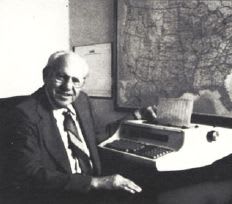
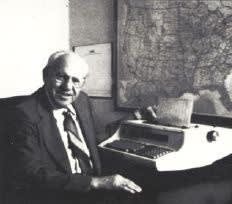
Samuel J. Lee passed away on June 27, 1985, in Huntington Beach, CA. Lee will be remembered as a fleet and leasing pioneer, industry leader, market innovator, and community contributor.
Lee began his automotive career with Chevrolet in Montreal and New York City in 1929. He joined Ruby Chevrolet in Chicago in 1935. While with Ruby, Lee organized Lee Fleet Management, Inc., and in 1948 he moved the operation to Cleveland. The firm grew to become one of the nation's largest lessors, with over 12,000 cars in service. Lee sold the firm to LPI (later purchased by Gelco) in 1960 for $25 million.
Lee's career then shifted to the Los Angles area, where he had short stints with an equipment leasing company and Bird Rent a Car. Eventually he left both to establish the Fleetway System, which served car dealers in retail leasing and grew to a sizable network nationwide.
In 1965, Lee was named general manager of Chevway (Chevrolet dealers in retail leasing), which later became Genway. He established Leaseway Consultants, where he provided individual firms and dealerships with his leasing expertise. Lee also conducted numerous seminars across the country of the National Automobile Dealers Association and was instrumental in the formation of the original, nucleus chapter of the National Association of Fleet Administrators.
Lee was a prodigious writer and a regular contributor to the leasing trade press. In the early fifties, he authored Automotive Transportation in Industry, and in 1965, the text Introduction to Leasing. Lee published Leasing News and Fleet News for over a quarter of a century. He also wrote for the American Jewish Historical Society, his research culminating in the encyclopedic biographical work on the life of Baron Maurice de Hirsch, titled Moses of the New World.
Lee was a frequent speaker before Jewish historical forums and a member of the American Jewish Historical Society. In addition, he was formerly on the governing board of the Southern California Jewish Historical Board.
Sam Lee is survived by his wife and two sons.
More Operations

Avis Budget Group Deploys Neology Toll Management Technology Across Major Brands
Neology’s neoFleet platform will manage toll transactions and toll-authority operations for vehicles across Avis, Budget, Payless, Budget Truck and Zipcar.
Read More →
Fleet Personal-Use Charges Edge Higher in 2026
Nearly eight in 10 surveyed fleets allow personal use of company vehicles, while just over half of respondents report charging employees for the privilege.
Read More →
The Future of Fleet + What’s Changing Right Now | AF News Recap
Could developments overseas offer a preview of what’s coming for U.S. fleets? This week, we’re looking at the future of AI, autonomy, and electrification, plus Ford Pro’s new certified pre-owned program, smarter vehicle offboarding, and a new way for fleets to manage toll expenses.
Read More →
How to Handle Vehicle Offboarding
What do fleet managers need to do when a driver leaves?
Read More →
Fleet Manager’s Ultimate Playbook: Navigating the New Standard in OEM Connectivity
Rising operating costs, driver safety concerns, and unplanned downtime are putting unprecedented pressure on modern fleets. Discover how fleet managers use embedded OEM connectivity and real-time vehicle data to cut TCO, prevent downtime, and protect drivers without aftermarket telematics hardware.
Read More →
U.S. Bank Adds Verra Mobility Toll Management to Voyager Fleet Platform
The integration allows U.S. Bank Voyager fleet customers to manage toll payments and violations alongside fuel, EV charging and maintenance expenses.
Read More →
ADAS Prevents Crashes. But Repairs Cost More | AF News Recap
ADAS-equipped vehicles may crash less often, but they can cost more when they do. This week, we’re breaking down what that tradeoff means for fleets, plus Subaru’s first Forester Wilderness Hybrid, Nissan’s new e-POWER Rogue, and why Calstart has become Catalyst Mobility.
Read More →
Moventum Fleet Management Names Mark Iorillo Head of Sales
Iorillo brings nearly 20 years of fleet management and sales experience to the role, including previous positions at Element Fleet Management, CEI, Donlen and Ryder.
Read More →
Fleet Has a Talent Pipeline Problem. What Comes Next? | AF News Recap
Where will fleet’s next generation of leaders come from? This week, we’re looking at the industry’s talent pipeline, what certification can add to a fleet career, how to build an award-worthy track record, and the return of Automotive Fleet’s Personal Use Survey.
Read More →
Smith System Launches Driver Risk Management Program
Fleets have more driver data than ever, but identifying risky behavior doesn't necessarily correct it. Smith System's new Driver Risk Management program combines monitoring, training, and follow-up coaching to help fleets connect risk signals with driver intervention.
Read More →