




I Would Decree…
Fleet managers were asked: “If you were King or Queen for a day, what would you change in the big picture of the fleet community?” Here’s what they told us.

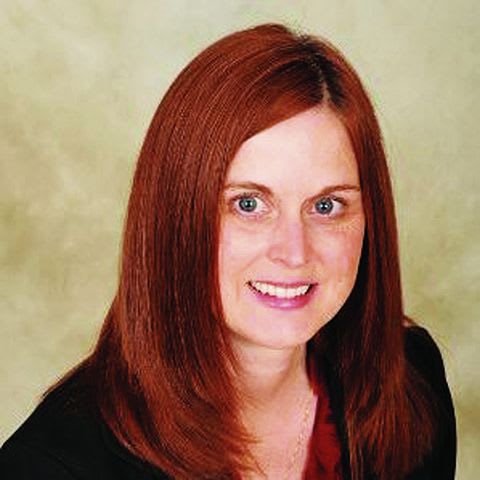
Struna

Kneggs
Fleet managers were asked: "If you were King or Queen for a day, what would you change in the big picture of the fleet community?" Here are their answers:
I would improve customer service. If we had the technologies we have today, combined with the service levels, customer service, and OEM relationships we had in the early 1980s, life would be good.
Lisa Kneggs, fleet manager, Dallas, Texas
I would decree the development of a telematics device that doesn’t ever fail. One with a loud alarm, so, when the driver tries to remove the installation of the device (oh, I can’t image that my drivers ever do that), it keeps screaming until it is reinstalled.
Fleet manager wished to be anonymous
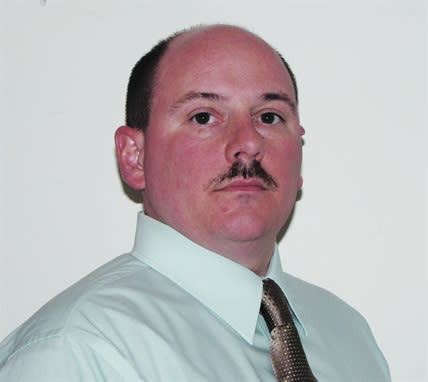
Kamanns
My change would be for the fleet community to rely less on “feel” and more on the data associated with our fleets. If there isn’t a fleet data analyst resource in place, get it there — whatever it takes. Create and maintain data integrity between internal and external (third-party) systems. Identify key performance metrics for organizations and suppliers; benchmark the metrics with as many other organizations as possible, report out on the key performance metrics, and benchmark. Know what can be affected, based on the organization’s culture. So long as there is data integrity in the fleet data, it will provide the five-year plan for improving fleet operations in just about every organization.
Jonathan Kamanns, fleet manager – North American Fleet Services, Ingersoll Rand
I would decree that senior management truly understands the complexities and challenges a fleet manager faces on a daily basis.
Fleet manager wished to be anonymous
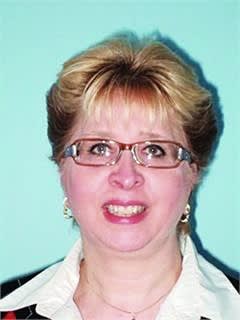
Bromley
I, like many others, wish that management would trust my years of experience and knowledge, rather than reinvent the wheel all the time, just to end up back where I recommended in the first place. I understand due diligence — but a good fleet manager does the due diligence! Take the data I compile, challenge it, and make me prove my hypotheses, but then trust that I am working in the company’s best interests. If this were decreed, I would not feel alone in this struggle as a fleet manager.
Julie Bromley, manager, credit and administrative services, Reedy Industries

Kukal
As King, I would decree that all fleet managers be taken out from under other departments with multi-functioning role responsibilities and be able to focus on their fleet drivers, safety and risk management, and sustainability, and receive commensurate compensation for the great job they do.
Chuck Kukal, supervisor, administrative services, Infinity Insurance

Struna
If I were Queen for a day, I would make more opportunities for networking with peers in the fleet community. The information that is shared is priceless!
Debbie Struna, fleet manager, Rite Aid Corp.
I would like to see better educational offerings for the seasoned fleet manager from both NAFA and AFLA, and any other sources out there that could provide it. We need more strategic offerings and not the same old thing all the time.
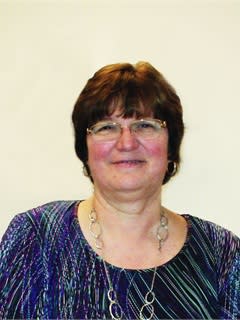
Bibbo
I know it’s hard to stay fresh, but it’s really important. In an ideal world, our friends at NAFA would understand that very different segments of fleet management have very different needs, and there is nothing wrong with separately catering to those needs. It doesn’t have to be an everything for all organization. They could cater to the separate segments and still be an effective organization. Doing some segmentation might solve their perception problem with many corporate fleet managers.
Donna Bibbo, manager, Fleet and Travel, Novo Nordisk
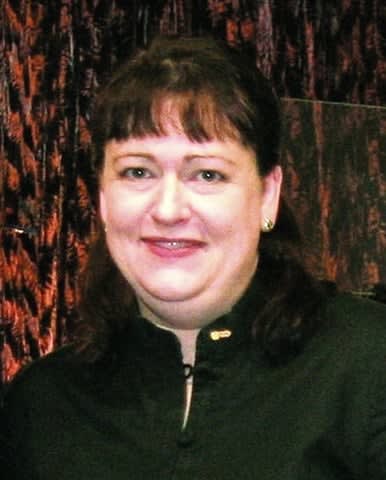
Alfson
I would change the way fleet managers are so underappreciated by people outside of the fleet community. They deserve more recognition than they are given.
Ruth Alfson, CAFM, fleet manager, Serco Group, Inc.
More Operations

Avis Budget Group Deploys Neology Toll Management Technology Across Major Brands
Neology’s neoFleet platform will manage toll transactions and toll-authority operations for vehicles across Avis, Budget, Payless, Budget Truck and Zipcar.
Read More →
Fleet Personal-Use Charges Edge Higher in 2026
Nearly eight in 10 surveyed fleets allow personal use of company vehicles, while just over half of respondents report charging employees for the privilege.
Read More →
The Future of Fleet + What’s Changing Right Now | AF News Recap
Could developments overseas offer a preview of what’s coming for U.S. fleets? This week, we’re looking at the future of AI, autonomy, and electrification, plus Ford Pro’s new certified pre-owned program, smarter vehicle offboarding, and a new way for fleets to manage toll expenses.
Read More →
How to Handle Vehicle Offboarding
What do fleet managers need to do when a driver leaves?
Read More →
Fleet Manager’s Ultimate Playbook: Navigating the New Standard in OEM Connectivity
Rising operating costs, driver safety concerns, and unplanned downtime are putting unprecedented pressure on modern fleets. Discover how fleet managers use embedded OEM connectivity and real-time vehicle data to cut TCO, prevent downtime, and protect drivers without aftermarket telematics hardware.
Read More →
U.S. Bank Adds Verra Mobility Toll Management to Voyager Fleet Platform
The integration allows U.S. Bank Voyager fleet customers to manage toll payments and violations alongside fuel, EV charging and maintenance expenses.
Read More →
ADAS Prevents Crashes. But Repairs Cost More | AF News Recap
ADAS-equipped vehicles may crash less often, but they can cost more when they do. This week, we’re breaking down what that tradeoff means for fleets, plus Subaru’s first Forester Wilderness Hybrid, Nissan’s new e-POWER Rogue, and why Calstart has become Catalyst Mobility.
Read More →
Moventum Fleet Management Names Mark Iorillo Head of Sales
Iorillo brings nearly 20 years of fleet management and sales experience to the role, including previous positions at Element Fleet Management, CEI, Donlen and Ryder.
Read More →
Fleet Has a Talent Pipeline Problem. What Comes Next? | AF News Recap
Where will fleet’s next generation of leaders come from? This week, we’re looking at the industry’s talent pipeline, what certification can add to a fleet career, how to build an award-worthy track record, and the return of Automotive Fleet’s Personal Use Survey.
Read More →
Smith System Launches Driver Risk Management Program
Fleets have more driver data than ever, but identifying risky behavior doesn't necessarily correct it. Smith System's new Driver Risk Management program combines monitoring, training, and follow-up coaching to help fleets connect risk signals with driver intervention.
Read More →