




Hybrid Lift Truck Helps Utilities Clean the Air
On the job, lift trucks often have to spend the day idling. A plug-in hybrid lift truck can cut much of that fuel use and emissions, while maintaining complete usability.
When utilities send out a technician with a lift truck to modify or repair a pole or a line, the truck usually must idle to power the lift for the full time it takes to do the job. Two major players in the field now have teamed up to cut the emissions and fuel use, while allowing normal operation of the lift/bucket unit.
Odyne Corporation of Hauppauge, N.Y., is a specialist in developing plug-in hybrid-electric vehicle (PHEV) powertrains, specifically for medium- and heavy-duty (Classes 6, 7, and 8) trucks and transit buses.
Odyne has developed a proprietary system combining electric power conversion, power control, and energy storage technology. The system uses standard electric motors, storage batteries, and other off-the-shelf components to create a lower-cost, lower-maintenance, lower-emission, and quieter vehicle. Odyne’s PHEV systems are series configuration hybrids.

Electric-Powered Lift Truck Operates for Full Workday
Odyne has joined utility equipment manufacturer Dueco to develop a lift truck that can operate on electricity all day on the job, thus producing no pollution.
Dueco, a large privately owned final stage manufacturer of Terex Utilities and Hi-Ranger products, is a family company with more than 50 years of experience in the sale and service of aerial devices, digger derricks, cranes, and other equipment.
The new diesel PHEV was introduced and displayed at last fall’s International Construction and Utility Equipment Exposition (ICUEE) in Louisville, Ky.
Overnight Recharging Uses Low-Cost Electricity
The vehicle’s PHEV propulsion system minimizes fuel use and emissions in a typical aerial truck mission. It can be recharged off-hours using low-cost electricity from the electric grid. The system can also be recharged at any point with the conventional diesel engine. In addition, the system provides the fuel efficiency and emission enhancements typical of a hybrid vehicle, while the truck is traveling to and from the work site.
Odyne’s battery management systems, in conjunction with its control technology, also power the material-handling aerial device, a Terex TLM50M, for up to eight hours of aerial lift operation time — a full workday.
"Until now, aerial lift trucks equipped with a bucket for workmen to access the tops of telephone and electric polls required power from an idling engine to operate in the field for a full work day or to run the air conditioning," said Alan Tannenbaum, CEO of Odyne Corp.
He added, "This Dueco partnership is another sales channel for Odyne to lead industry and government into more environmentally sound technologies."
The Dueco International truck (2008 4300 SBA 4x2) is equipped with a 255-hp IHC MaxxForceDT engine, coupled to an Allison 3500 RDS-P automatic transmission.
Thomas Dalum, president of Dalum-Dueco Inc., said the company is ready to take orders for the hybrid lift truck. WT
More Green Fleet

Merchants Fleet Reports 290M EV Miles as Fleets Navigate Changing Electrification Market
From millions in operating savings to hundreds of millions of EV miles, Merchants Fleet’s latest report reveals what’s working and what’s changing in fleet electrification.
Read More →
The EV Breakdown Nobody's Talking About: Why Most Electric Vehicle Roadside Calls Aren't Mechanical Failures
Here's why EV breakdowns are widely misunderstood.
Read More →
ChargePoint Now Available in Energy Pass
ChargePoint and additional planned charging network integrations were added to GM's Energy Pass.
Read More →
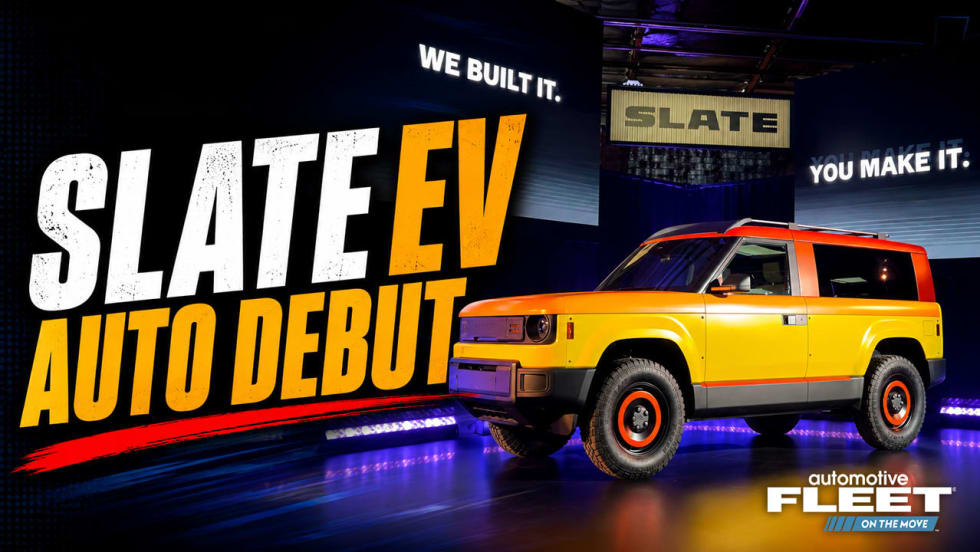
First Look: Slate Auto's Electric Fleet Pickup
Could an affordable, modular EV pickup make electrification more practical for fleets?
Read More →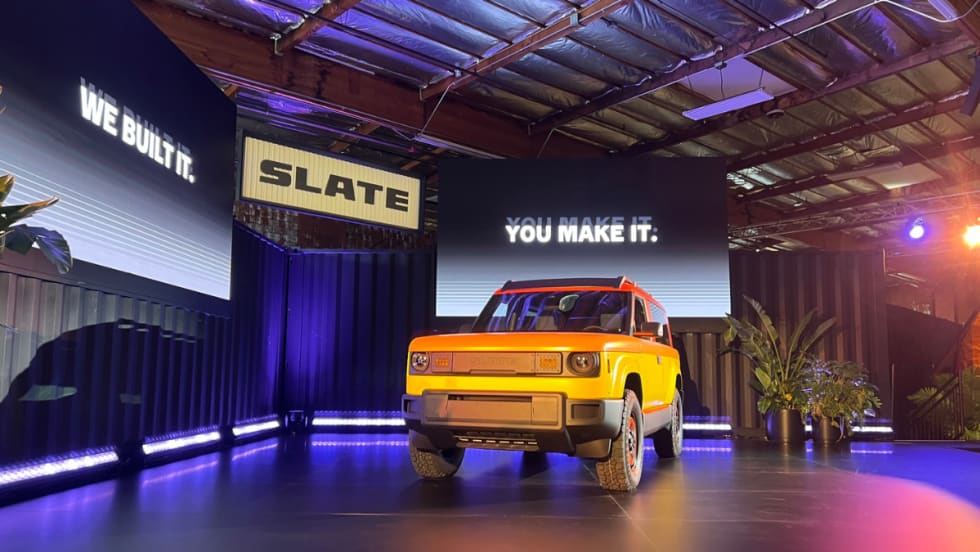
Slate Debuts Colorful, Unique EV Models
A recent media and client event, studded with electric vehicles dressed up on platforms, planted a new position for the manufacturer in the wider EV market. Fleets will find cost-saving advantages.
Read More →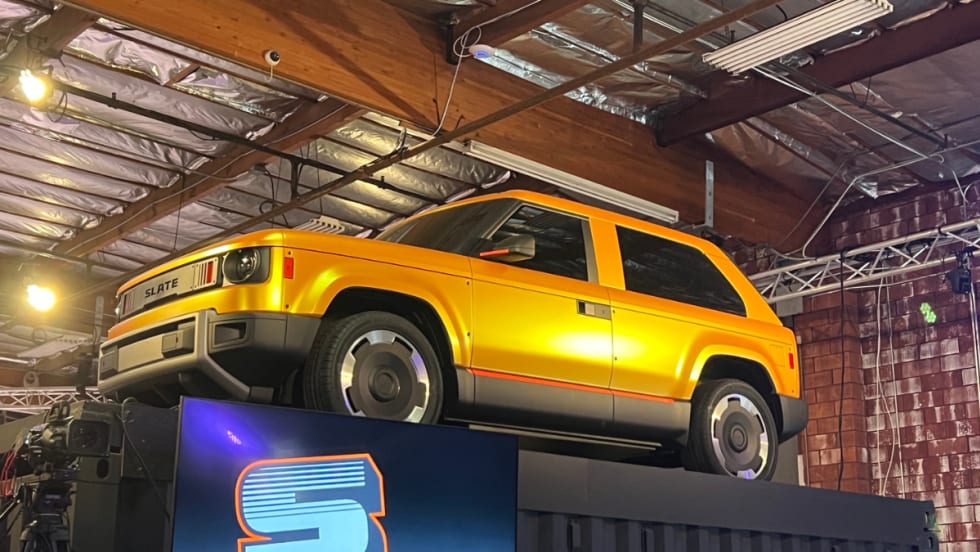
Slate Electric SUV, Pickup Switchable Model Aims For Light-Duty Fleets
Everything about this EV is counterintuitive and understated, making it stand out from the crowd.
Read More →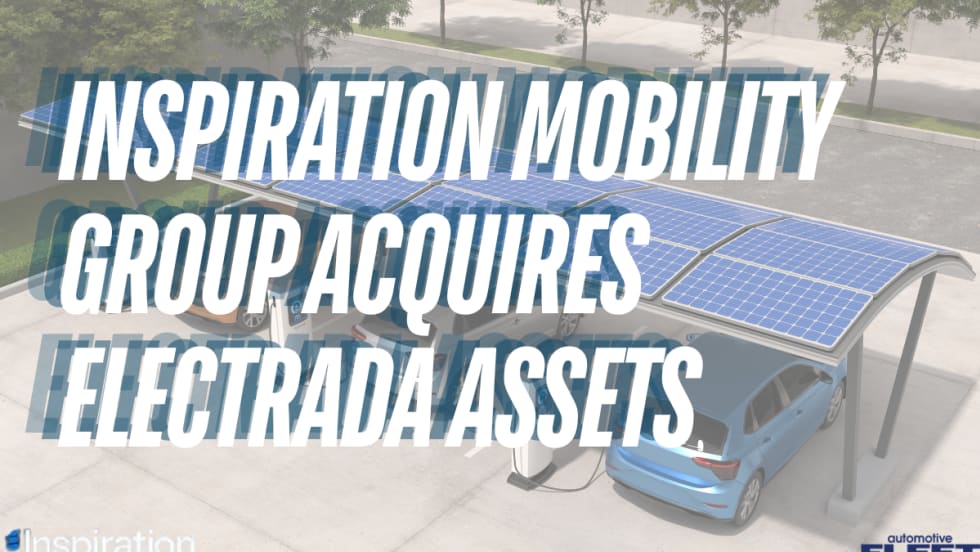
Inspiration Mobility Acquires Key Electrada Assets
Inspiration Mobility Group has acquired select assets of Electrada, adding the fleet electrification provider's team, technology, and charging infrastructure development capabilities to its energy management business.
Read More →
Turning Connected Vehicle Data Into Decisions That Matter
Fleet leaders have more data than ever, but turning that data into clear, actionable decisions remains a challenge. This white paper shows how leading organizations are using connected vehicle data to improve safety, reduce costs, and optimize fleet performance. Learn how to turn insight into action across your fleet.
Read More →
Are You Tracking Your Fleet's True Total Cost of Ownership?
Bobit Business Media surveyed 190 fleet professionals and found that while most fleets are tracking costs, fragmented systems and data gaps are keeping true TCO visibility out of reach. With rising pressure to control spend in an increasingly volatile environment, the gap between what fleets think they know and what the data actually shows is wider than you might expect. See how your peers are managing costs today and where the industry still has room to improve.
Read More →