




How to Write Your Company's Car Policies and Procedures Manual
A policies and procedures manual is the primary way to communicate the company vehicle policies to your drivers, so you should make it as inclusive and easy-to-read as possible.
In order for your employees to understand your company’s policies and procedures regarding company vehicles, it’s important to have a clearly written company vehicle policy manual. This manual should thoroughly explain all aspects of driver liability and responsibility. Here are the most important points that should be included in any company car policies and procedures manual.
Introduction/Terms
The first thing a policies and procedures manual should include is an explanation of the terms and conditions of the manual, explaining why the company provides company vehicles and why the information is important in the safe operation of a company vehicle.
Fleet Administration
The next section of the manual should provide a detailed explanation of your company’s fleet administration activities. This section should explain the responsibilities of the fleet department, which include vehicle selection and acquisition, controlling accident costs, and developing safe driving programs, to name a few. This section should also explain your company’s database and recordkeeping systems, and how they relate to your fleet. Also included in this preliminary section should be an explanation of how the fleet manager and drivers will communicate, as well as a description of who is eligible for executive and company vehicles; conversely, grounds for loss of eligibility should also be covered here.
Driver Eligibility
It is also important to explain driver’s license requirements for all employees who will be using company-provided vehicles. Included with this information should be a motor vehicle record (MVR) authorization release, which should be filled out by all prospective drivers; this release should also detail the satisfactory conditions MVRs should meet as a condition for employment. The manual should also include your company’s minimum age requirements for driving a company vehicle and disability guidelines related to company vehicle use.
Vehicle Selection and Ordering
Your company vehicle policies and procedures manual should cover vehicle selection and ordering, including explanations of how the vehicle selector list is prepared, lifecycle cost analysis, and considerations for acquisition choices. This section should also provide an in-depth explanation of the vehicle selection process, which will help your employees understand the decision-making process behind the vehicle selector list. When explaining the selection process, it’s also a good idea to discuss driver-paid options and the treatment of unassigned vehicles, if applicable.
Delivery and Acceptance
Your manual should also cover delivery and acceptance of company-provided vehicles, including descriptions of the delivery, communication, and invoice audit processes. At this point, you should discuss how to handle problems and discrepancies with delivered vehicles.
Vehicle Use
The use of company vehicles, including who can and cannot operate a company vehicle and other vehicle use restrictions, such as tobacco use, is an important subject. This section should also include a listing of the IRS valuation rules, which are used to determine the annual lease value of company vehicles. A discussion of your company’s personal use policy, if applicable, should also be provided here. A sample statement for use of employee vehicles, including mileage and odometer readings, should also be provided in this section. A definition of commuting status should also be included in this section, as well as an explanation of recordkeeping procedures for business usage, and garage and storage requirements for employees who use company-provided vehicles. Temporary transportation should also be discussed, including the procedures employees should follow to obtain it, and a recommendation that drivers decline collision waivers. The next section of the manual should discuss fueling procedures for company-provided vehicles, including the recommended type of fuel and proper usage of expense reports. Your policy manual should also cover traffic tickets, including a disclaimer that the company will not reimburse employees for parking or motor vehicle code violations. At this point, a discussion of your company’s policy on gross or willful negligence, including driving while intoxicated, reckless driving, unauthorized drivers, and unsafe driving conditions, is appropriate.
Maintenance
Vehicle maintenance is also an important topic to discuss. This section should detail driver responsibilities, procedures for repairing vehicles, as well as washing and other routine vehicle care.
Insurance
The next subject to cover in the manual is insurance. This section should explain common insurance terminology and exclusions, including coverage, identification cards, subrogation, and driver responsibilities concerning stolen vehicles.
Accidents/Safety
Accidents and safety are important topics for any fleet. This should include accident definitions, such as preventable and non-preventable accidents, and an explanation of accident evaluation procedures. It’s also a good idea to discuss safe and defensive driving, with tips for drivers on defensive driving techniques, as well as an incentive program to encourage your drivers to adopt these practices. At this point, safety equipment, such as seatbelts, airbags, and anti-lock brakes, should also be discussed, as well as factors that might compromise safety, such as cell phone usage and driver fatigue. You should also cover what to do at the scene of an accident and how to fill out an accident report, as well as procedures for submitting accident reports, repair estimates, and obtaining repairs. Worker compensation reimbursement, motor vehicle records, and an explanation of the MVR point review system should also be included. If applicable, an explanation of hazardous materials guidelines should be included.
Replacement Guidelines
An explanation of your company’s replacement guidelines, including general guidelines, cars and light-duty trucks, and medium duty trucks should be included in your manual. Vehicle return procedures, vehicle condition reports, sale pricing guidelines, federal odometer regulations, and reconditioning should also be included. Finally, your manual should include remarketing methods, including internal and external remarketing.
More Operations
Here's When You Should Make an Exception to Fleet Policy
Fleet policies are designed to create consistency, but not every driver or situation fits neatly within standard rules.
Read More →
AI-Native or AI-Acquired: What Should Fleet Managers Look for in an AI Platform?
Six questions can help fleet managers look beyond AI marketing claims to evaluate integration, data access, and real-world operational performance.
Read More →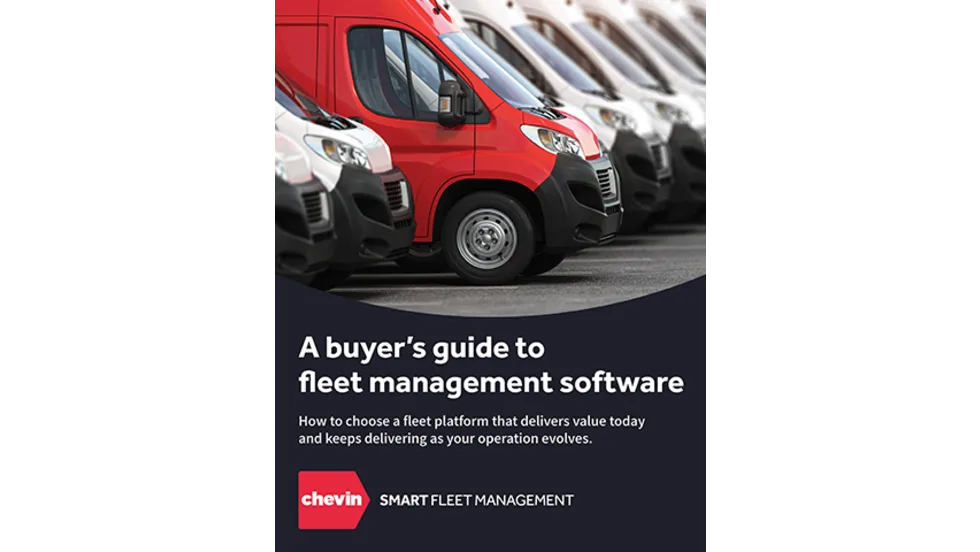
A buyer's guide to fleet management software in 2027
Buying fleet management software in 2027 means looking beyond features and price. As fleet operations, technology and expectations evolve, this guide explores what today’s fleet professionals should consider when choosing a system that can deliver value now and adapt to what comes next.
Read More →

What Will Shape the Next Era of Fleet Management?
EVs, AI, and autonomous vehicles are reshaping fleet management. Discover what’s ahead—and how fleet leaders can prepare for the next era.
Read More →
How Fleets Can Recruit and Train Veterans for Technician Roles
Here's how the technician shortage has affected uptime for fleets, and what to do about it.
Read More →
Avis Budget Group Deploys Neology Toll Management Technology Across Major Brands
Neology’s neoFleet platform will manage toll transactions and toll-authority operations for vehicles across Avis, Budget, Payless, Budget Truck and Zipcar.
Read More →
Fleet Personal-Use Charges Edge Higher in 2026
Nearly eight in 10 surveyed fleets allow personal use of company vehicles, while just over half of respondents report charging employees for the privilege.
Read More →
The Future of Fleet + What’s Changing Right Now | AF News Recap
Could developments overseas offer a preview of what’s coming for U.S. fleets? This week, we’re looking at the future of AI, autonomy, and electrification, plus Ford Pro’s new certified pre-owned program, smarter vehicle offboarding, and a new way for fleets to manage toll expenses.
Read More →
How to Handle Vehicle Offboarding
What do fleet managers need to do when a driver leaves?
Read More →
Fleet Manager’s Ultimate Playbook: Navigating the New Standard in OEM Connectivity
Rising operating costs, driver safety concerns, and unplanned downtime are putting unprecedented pressure on modern fleets. Discover how fleet managers use embedded OEM connectivity and real-time vehicle data to cut TCO, prevent downtime, and protect drivers without aftermarket telematics hardware.
Read More →