




Related Article: How Fleet Technician Roles Will Change in an Electrified Environment
How to Update Your Fleet Maintenance Operations for BEVs
Here are some baseline areas to update in your maintenance protocols so you can integrate battery electric vehicles.
by George Albright, Merchants Fleet
April 6, 2021
Here are some baseline areas to update in your maintenance protocols so you can integrate battery electric vehicles.
4 min to read
Integrating battery electric vehicles (BEVs) into fleets comes with a host of cost savings and environmental benefits, but it also requires planning and some operational shifts. One of the areas fleet managers must give thought to is vehicle maintenance. The different technologies involved in running an EV versus an internal combustion engine (ICE) vehicle requires fleets to adjust their maintenance policies to match. The reward for your efforts will be significant cost savings.
Here are some baseline areas to update in your maintenance protocols so you can integrate BEVs (it is worth noting that exact service intervals and adjustments will depend on your fleet’s use case and the specific makes and models of BEVs you select).
Adjust Your Service Intervals
One of the biggest changes to maintenance when you integrate EVs is updating your service intervals accordingly. BEV systems are drastically different from ICE vehicles because there is no engine. Instead, the battery stores energy that is used for propulsion and supporting cabin functions like air conditioning.
Here is a brief overview of what maintenance of various EV systems can look like:
Battery: BEV batteries are maintenance-free. Maintenance should not be attempted due to their high voltage (400-600VDC or more). The Battery Management System (BMS) maintains the battery and generates fault codes if it requires attention. Charging a battery fully, as indicated by the fuel gauge, will not cause battery issues.
Brakes: All BEVs have regenerative braking systems, which help recapture energy when the vehicle is slowing down. Regenerative braking reduces the frequency by which mechanical brakes have to be engaged, thereby extending the life of mechanical braking system components. This means brake pads and fluids need to be maintained far less frequently for BEVs.
Coolant: BEV cooling systems are not exposed to temperature extremes that are common in ICE engine vehicles; therefore, they tend to last longer. Refer to your owner’s manual for recommended service intervals.
Engine Oil: A BEV does not have an engine that is lubricated by synthetic or conventional oils, so they do not require oil changes. You can remove this from your maintenance checklist.
Powertrain: Passenger, light- & medium-duty pickups, and cargo vans that are fully electrified do not have a transmission that requires periodic flushing. Heavier duty vehicles, which are currently in design and early test phases, may have simpler transmissions that will require fluid exchange. However, it is projected these intervals will be considerably longer than an equivalent ICE vehicle. Refer to your owner’s manual for recommended service intervals.
Tires: Tires should be changed and rotated on a regular schedule, much like their ICE vehicle counterparts.
Rethink Your Cycling and Runtimes
BEVs are expected to last much longer and log many more miles than their ICE counterparts. One transportation network company (TNC) released the data on their BEV fleet, and many vehicles made it past 200,000 miles with minimal maintenance and no significant reduction in battery capacity.
Expand Your Service Network
Not all garages are equipped to handle EV maintenance. Fortunately, most OEMs are focusing their efforts on expanding their existing dealership service location capabilities through specialized training, tools, and charging stations. Fleet managers should fully understand an OEMs repair network footprint and mobile repair capabilities as a part of their due diligence during the procurement phase.
The Driver’s Role in Maintenance Still Applies
Advances in technology and fewer parts to maintain still don’t override a core piece of the maintenance equation: the driver. Driving behavior can still greatly influence the maintenance cycles and lifetime of a BEV vehicle, especially in the realm of non-preventive maintenance or unexpected repairs. While drivers will have fewer trips to make for routine maintenance, driver compliance with maintenance policy still is a factor to ensuring your BEVs are serviced on time.
Expect Cost Savings
All of these maintenance changes add up to cost savings. There have been numerous studies around BEV maintenance savings potential, and overall fleets can expect to spend less maintaining EVs than their ICE counterparts. According to Consumer Reports, BEVs cost half as much to repair, and the New York City municipal fleet spent 75% less on maintenance. Part of this is due to the fact that there are simply fewer systems. BEVs do not have mufflers, catalytic converters, oil filters, spark plugs, fuel injectors, fuel pumps, or exhaust systems. This means fewer systems to maintain or fix in the case of a failure.
BEV battery warranties exceed most ICE powertrain coverage and are typically up to 100,000 miles or even up to eight years long. Many BEVs have been driven much farther than this (in excess of 200,000 miles) and still had the battery perform at above 80% effectiveness.
The introduction of BEVs to commercial fleets presents many exciting opportunities, both for sustainability and for the bottom line. As we enter a newer, “greener” chapter, make sure your fleet is taking advantage of these opportunities and staying up to date on the latest changes to maintenance protocols and technologies. Your fleet management partner is a good resource to help you stay on top of these changes.
Subscribe to Our Newsletter
More Green Fleet
Sponsored•October 1, 2026
New Propane Autogas Program Offers Fleet Compensation
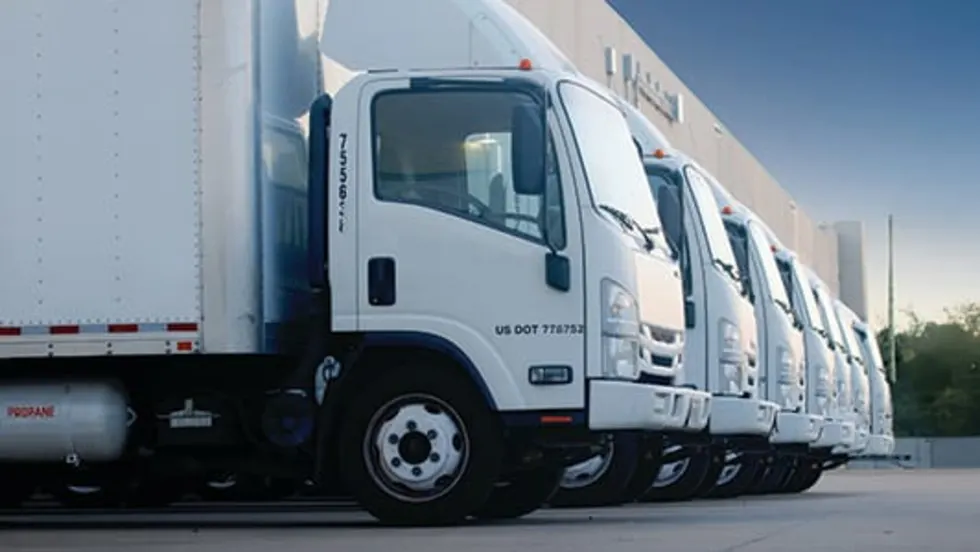
Qualified commercial fleets can receive $7,500 per eligible propane autogas vehicle and up to $10,000 for new refueling site prep. Learn how the program works and see whether your fleet qualifies.
Read More →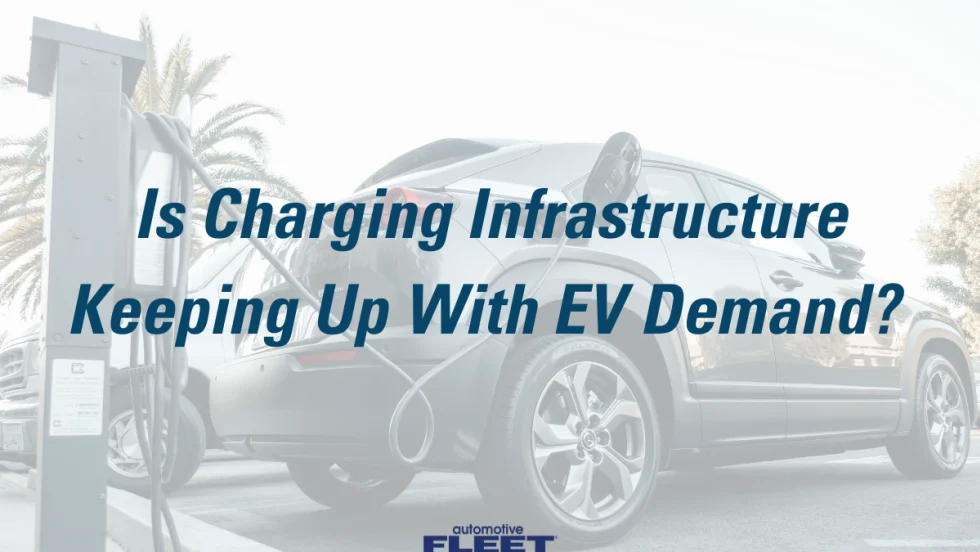
EV Charging Use Is Outpacing Infrastructure Growth
ChargePoint’s 2026 Charging Forward Report points to rising charger use, higher-powered charging, commercial vehicle electrification, and energy-management technology. Here’s what fleets should know.
Read More →
Merchants Fleet Reports 290M EV Miles as Fleets Navigate Changing Electrification Market
From millions in operating savings to hundreds of millions of EV miles, Merchants Fleet’s latest report reveals what’s working and what’s changing in fleet electrification.
Read More →

The EV Breakdown Nobody's Talking About: Why Most Electric Vehicle Roadside Calls Aren't Mechanical Failures
Here's why EV breakdowns are widely misunderstood.
Read More →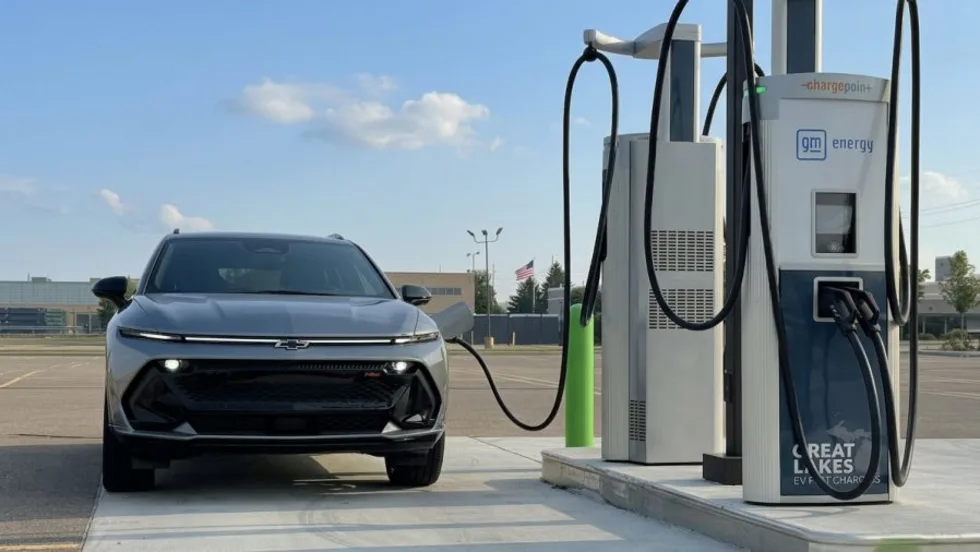
ChargePoint Now Available in Energy Pass
ChargePoint and additional planned charging network integrations were added to GM's Energy Pass.
Read More →

First Look: Slate Auto's Electric Fleet Pickup
Could an affordable, modular EV pickup make electrification more practical for fleets?
Read More →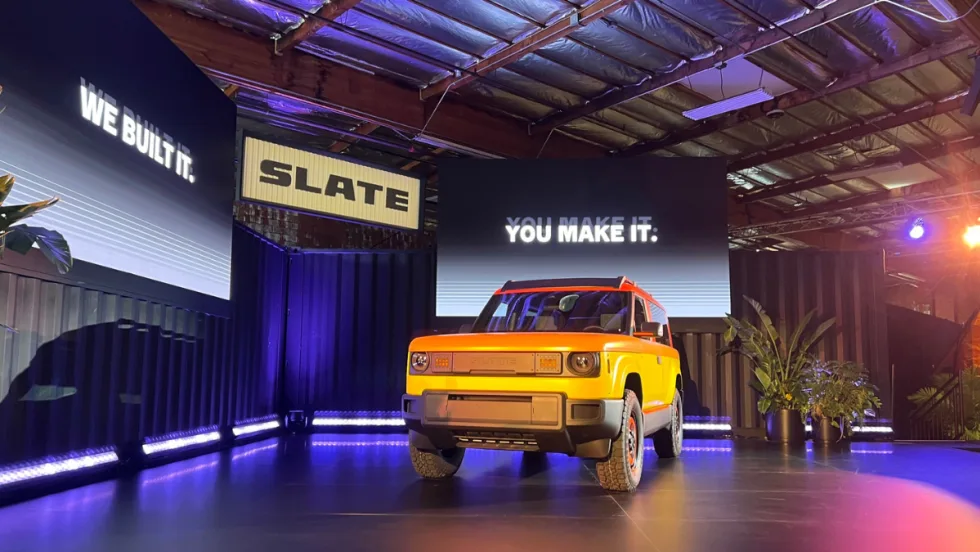
Slate Debuts Colorful, Unique EV Models
A recent media and client event, studded with electric vehicles dressed up on platforms, planted a new position for the manufacturer in the wider EV market. Fleets will find cost-saving advantages.
Read More →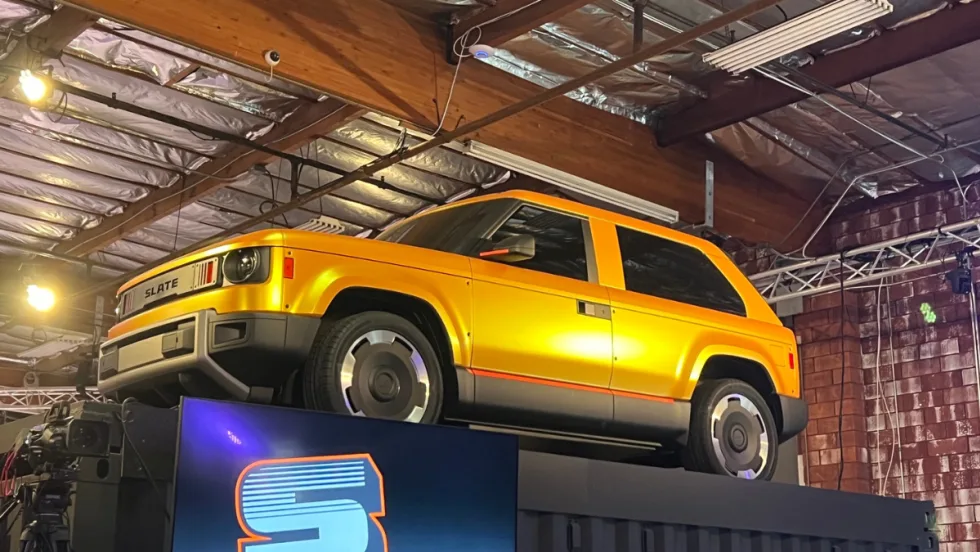
Slate Electric SUV, Pickup Switchable Model Aims For Light-Duty Fleets
Everything about this EV is counterintuitive and understated, making it stand out from the crowd.
Read More →
Inspiration Mobility Acquires Key Electrada Assets
Inspiration Mobility Group has acquired select assets of Electrada, adding the fleet electrification provider's team, technology, and charging infrastructure development capabilities to its energy management business.
Read More →