




How to Select Risk Vehicles
Many factors beyond price affect risk vehicle purchasing. But do you know who will buy the vehicle when you take it out of service? Identifying this “final customer” early in the vehicle’s lifecycle could be most important to your bottom line.
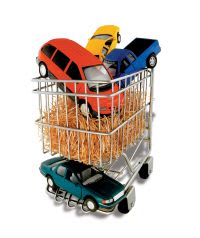
The availability of repurchase vehicles is diminishing, and this situation will not change any time soon. Many of you have already accepted this realization and have decided to purchase risk vehicles.
Obviously, price plays a significant role in the selection process in terms of available capital as well as the affect on monthly interest costs. We can all recognize a “cheap” deal when we see one, but at the same time we have to be cognizant of other factors beyond price.
So how do you go about evaluating vehicles and determining the best ones to buy?
Understand the Incentives Game
Following acquisition price, residual value is the next critical factor. Besides just forecasting residual value you need to consider brand value, brand and model durability, local dealer stability and local vehicle supply.
From the rental operator’s standpoint, brand value consideration goes beyond the public perception to include how the manufacturer reacts when it misses sales targets.
Many times, deliveries to rental fleet accounts are the first course of action to correct for an oversupply of cars. The benefit to the manufacturer is that the incentives can be earmarked exclusively for those units. However, if that action does not resolve the oversupply then the manufacturer may increase the retail incentives to correct the imbalance. This puts you in the unenviable position of having vehicles in operation that are actually more expensive than new units on the local dealer lot.
Kick the Tires at the Auctions
While the Internet has become a marvelous tool to review average prices and values, it can’t show you the durability of a vehicle coming out of rental service. Visit your local auction on pre-sale day and inspect the vehicles in the class you are considering.
Look for durability indicators: worn tires at low mileage, excessive denting to deck lids, hoods and doors, abnormal interior wear patterns on the cushions, carpeting and seatbelts, and excessive bumper cover damage. Your top maintenance processes will be all for naught if the new cars you are buying show excessive wear-and-tear at the other end. There are still many program cars running through the lanes, so take advantage of this opportunity while you can.
How Stable Is Your Local Dealer?
Should the need arise, consider the local dealer of that brand to provide service and parts—not just batteries and radio knobs but crash parts as well. Additionally, just how stable is the local dealer of that brand? Will they be in business when the cars come out of service? Has the franchise been bounced around between several dealer groups over the last couple of years? If so, the retail (new or used) market for that brand may not be there to support you when your vehicles come out of service. [PAGEBREAK] What Are the Majors Doing?
If one or more of the major car rental companies in your market has been purchasing the same units that you are considering, you should assume that they are purchasing at a lower price and in greater volume. This can affect both your end-of-term values as well as how you intend to dispose of the vehicles. Ultimately it may still be a good buy, but in order to avoid competing with the majors in the wholesale market, make sure you are in a position to keep the units in service longer than the competition does.
Where to Buy Risk Units
Contact fleet reps: There are many places to get quality risk units from. If you have an existing relationship with the national fleet department or regional office of one of the manufacturers, you are well ahead of the game. But don’t limit your discussions with them to new vehicles exclusively. Many times manufacturers will sell current model-year, low-mileage program cars directly to rental companies provided they be kept in service for an agreed-upon period of time.
Source from local dealers: In some instances manufacturers may place monthly fleet delivery limits on dealers (by account). Consider sourcing from several dealers if you are in a large market should you ever run up against volume limits.
Additionally, remember to keep the lines of communication open year round with your local dealers, as you can help them attain a sales objective or incentive bonus level. Many times these can be the best deals of the season.
Look outside your area: Consider purchasing vehicles from other rental companies outside of your geographical area. This is one way to reduce the affects of seasonality on residual values.
For example, when everyone else is ramping up for summer, rental companies in Phoenix have already experienced many days in which the thermometer has broken 100. They actually see recreational reservations drop during the summer when most other markets are just picking up. While you will incur transportation expense moving vehicles around, you and the seller will both save on auction fees, and the seller’s downtime at the auction will be eliminated.
Lenders, lessors and remarketers: Finally, consider third parties to source your cars. One of the parties you should first approach is your lender. Virtually all of the rental lenders and lessors have access to new and used vehicles for their existing customers. Many times lenders can facilitate the used transactions themselves so the payment and title transfers are virtually seamless.
Another third party to consider would be fleet vehicle delivery groups and remarketers. These parties know where and when new cars are going into and out of service, allowing you access to units long before the cars are ever sold to a wholesaler or transferred to an auction. [PAGEBREAK] Consider Your Final Customer
So you’ve done all your homework and have a real good idea of what vehicles to purchase. There is still one more critical factor to consider—the final customer. You must include his or her needs in the vehicle selection process.
This customer has the most impact on your profitability and could make or break your month, season or year. Do you even know who that customer is?
Your last customer isn’t the poor guy at the end of a very long line at the rental counter, but the one that buys your car when you take it out of service. This customer could be a local new or used car dealer, a wholesaler, another rental company, a private party, a previous renter or even a salvage company. The key is to identify your last customer as early in the vehicle lifecycle as possible. The first parties to consider as your final customers are those that helped you find the vehicles in the first place.
Keep vehicles out of the auctions: The national fleet departments and regional management of most manufacturers are contacted almost daily with requests for used program cars. If you already have a relationship with them, let them know that you will have cars available for sale and when.
From a manufacturer’s perspective, keeping vehicles out of the auction lanes has a tremendous affect on residual values. This also allows the manufacturer to provide units to additional customers that otherwise would probably go to another brand.
Help dealers “grow” used cars: Look to the local dealers who sold you the vehicles in the first place. As used program car availability declines, dealers will have to consider substitute sources for used cars. You may want to offer to set up a repurchase agreement directly and exclusively with them. If you want to get their attention, use the phrase, “growing your own used cars.” Discuss the time and costs they will save by not going to an auction, as well as the ability to plan used-car advertising and strategy.
If you and the dealer are selecting the right cars at the right price and depreciating them fairly, it will be a very profitable relationship for both parties.
Lean on lending sources: Your lending sources as well as other third-party groups can help you dispose of vehicles. Let them know in advance when you anticipate being able to take units out of service. This will allow them time to properly market your vehicles to their customers. Whether the end user is another rental account or a used-vehicle dealer, providing advance information makes it much easier to include your units in acquisition plans.
Keep Maintenance Top Rate
Finally, and most importantly, because you are trying to build long-term relationships with your “last customers,” it is imperative that your maintenance practices, return conditions and disclosures/damage notifications are all first rate. Make sure you or someone in your organization reviews the maintenance and accident records for every car before it is sold.
Dave Funston is president of Funston Fleet Services, Inc., which provides sourcing and remarketing strategies to the rental fleet industry.
Originally posted on Auto Rental News
More Global Fleet

Holman Takes Full Ownership of ARIZA in Mexico
Holman is bringing its Mexican fleet management operation fully under its own brand after more than 30 years as a joint venture. The change gives multinational fleet customers a single Holman operation across the U.S., Canada, and Mexico.
Read More →
Proven Ways to Reduce Work Truck Downtime
The age-old problem of downtime will always be a reality, but with new strategies at hand, fleets have more ways to keep trucks on the road longer.
Read More →
The Top 300 Commercial Fleets
The Top 300 Commercial Fleets: See the List
Read More →


Cameras, Safety and Insurance: From Reactive Claims to Real-Time Prevention (Part 2 of 2)
Part Two: Commercial auto remains one of the most challenging and costly lines of coverage for fleet operators and insurers alike. Continue learning more about how to effectively address these issues from Onur Aksan, Enterprise Business Development Executive, Geotab
Read More →
Cameras, Safety and Insurance: From Reactive Claims to Real-time Prevention
Commercial auto remains one of the most challenging and costly lines of coverage for fleet operators and insurers alike. Learn more about how to effectively address these issues from Onur Aksan, Enterprise Business Development Executive, Geotab.
Read More →
Fleet Costs Are Rising: Here’s How Leaders Are Responding
Fleet leaders are under pressure to reduce costs, adapt to economic uncertainty, and make smarter decisions. See how peers across North America are responding with real data, proven strategies, and forward-looking insights. Download the 2026 Market Pulse Report to benchmark your strategy and uncover where you can gain an edge.
Read More →
Enterprise Fleet Management Surpasses 900,000 Vehicles in U.S. & Canada
Enterprise Mobility connects with mobility solutions around the globe
Read More →
Automotive Fleet's Guide to Fleet Electrification
Unlock the secrets to a successful transition to electric fleets with Automotive Fleet's comprehensive Fleet Electrification Guide!
Read More →
Sumitomo Rubber Industries to Acquire Viaduct
Viaduct will join Sumitomo as an independent subsidiary. Partnership strengthens global reach and accelerates AI-driven innovation for fleets and manufacturing.
Read More →