




How To Reimburse Electric Vehicle Drivers for Charging at Home
Calculating reimbursement for at-home EV charging requires lots of precision, but several options are available ease the process for fleets.
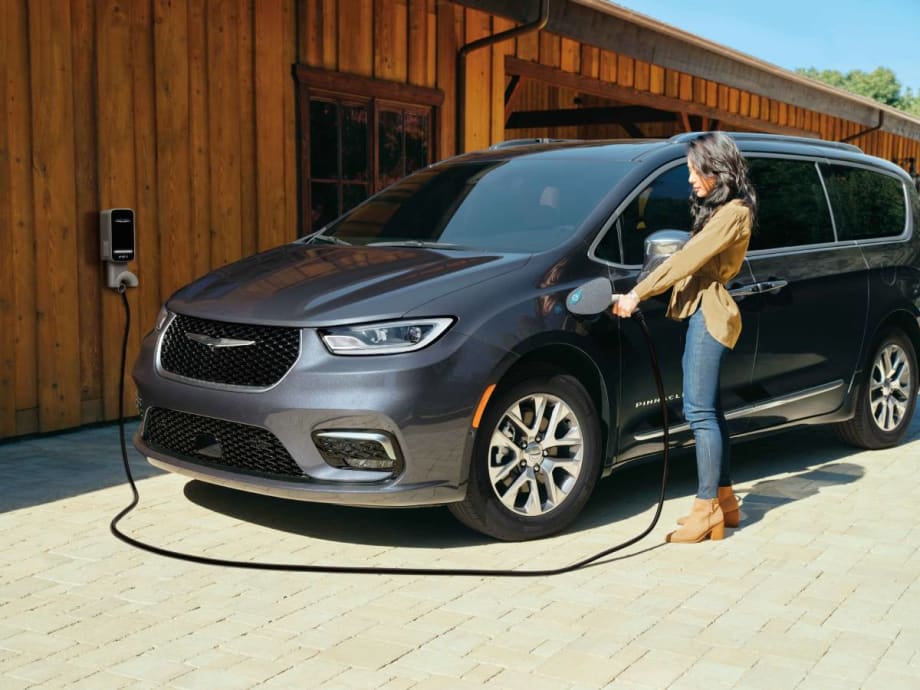
In addition to cost savings, charging an electric vehicle at home also saves your employees valuable time. Refueling at a public charger is akin to filling up a gas vehicle at the pump, but often takes longer.
Photo: Mopar
As the number of electric vehicles on the road grows, businesses and organizations with fleets of vehicles are facing a new challenge: how to manage the reimbursement of employees who charge their EVs at home.
This has become an important matter for fleet managers who want to ensure their employees are fairly compensated for the cost of electricity used to charge their vehicles, while also complying with relevant regulations. The good news is that new solutions are available to ease reimbursing fleet drivers for home electricity usage.
Comparing Home and Public Charging Rates
Fleets are saving on costs in using EVs over ICE vehicles. For charging, the savings are greatest when your employee chooses to charge their vehicle at home. Why? The average price of electricity in the U.S. is less than 16 cents per kilowatt-hour.
Let’s look at what this translates into for fully charging the empty battery for a few sample vehicles:
Tesla Model 3 (60-kilowatt-hour): $6.83
Volvo XC40 Recharge (78kWh battery pack): $8.88
Ford F-150 Lightning (131 kWh battery pack): $14.92
By contrast, public charging rates typically range between 30 cents to 60 cents per kilowatt-hour. Using a blended average of $.045, here is how the same vehicles stack up:
Tesla Model 3 (60-kilowatt-hour): $19.2
Volvo XC40 Recharge (78kWh battery pack): $24.97
Ford F-150 Lightning (131 kWh battery pack): $41.96
Charging at public stations can still be economical compared to filling up a tank of gas, but the savings between home charging and fast charging is significant, and promoting home charging is the clear economic winner.
Measuring Charging Vs. Fueling Downtimes
In addition to cost savings, charging an electric vehicle at home also saves your employees valuable time. Refueling at a public charger is akin to filling up a gas vehicle at the pump, but often takes longer.
The typical gas station stop adds about 20 minutes to a fleet driver’s trip. Of this, eight minutes are spent at the station itself; the rest of the time is spent getting there and back to the route, according to a Geotab report.
Electric vehicles using public fast charging stations also require route detours and typically take more than twice the on-site time to charge to 80%. Older models can take even longer.
Many employees will charge during work hours, so this added downtime can add up. However, unlike gas vehicles, the number of refueling stops can be substantially reduced with home charging as electric vehicles can be plugged in and charged overnight at home while the driver sleeps. For jobs that require a lot of driving, this can save weeks of productive work time during a year.
Reimbursement Regulations Vary by State
When reimbursing employees for charging their EVs at home, regulations vary. At the federal level, no specific law requires employers to reimburse employees for home electricity use for charging electric vehicles used for work purposes.
However, many states (including California, Massachusetts, and Illinois) have laws that require employers to reimburse employees for all necessary “expenditures or losses incurred by the employee in the direct discharge of their duties," including vehicle expenses. This would include home electricity for charging EVs used for work purposes, including cases where the car belongs to the employee. Failure to reimburse could have legal and financial consequences for businesses.
Legality aside, if your business is reimbursing employees for gas, you should also be reimbursing for electricity, and to do that equitably includes home charging.
Calculating Reimbursement for Home Charging
Calculating reimbursement for at-home EV charging can be complicated, but fleet operations can access several available options.
Dedicated Meter or Submeter: The first option is to use a dedicated meter or submeter to measure electricity consumption. For this to work, the meter must be dedicated to the EV charging circuit or combined with a smart home monitoring system. These systems range in price, but a single-phase sub meter typically costs from $50 to $200, while a three-phase sub meter can cost anywhere from $200 to $500 or more, depending on the complexity of installation. Once installed, these systems can provide accurate reporting. However, if the charger is ever used for non-fleet vehicles, or if the meter is not connected to a dedicated EV-only circuit, there is no way to determine whether the electricity was consumed by the company EV, another EV, or an appliance.
Smart Charging Station: Smart charging stations connected to a network can provide accurate data for calculating reimbursement. In some cases, companies can set up an account with the network provider, allowing usage data to be sent directly to the company administrator. However, installing a networked charging station can be expensive, with prices ranging from a few hundred to several thousand dollars depending on the features and installation requirements. In addition, relying solely on networked charging stations can exclude any charging that occurs via a wall outlet or non-networked charging station, which can be a drawback. These can also cause issues for employees who live in condominiums where there may already be a networked charging system in a place incompatible with the company's chosen provider.
Telematics: The advantage of using vehicle telematics is they monitor electricity use on a per-vehicle basis, rather than per-charger. By creating charging reports by location, companies can track electricity usage at employees’ homes. The advantage of this is energy consumption can be monitored regardless of the type of charging station, or even a standard outlet, without concern for network compatibility. In addition, this approach eliminates the risk of subsidizing non-fleet vehicles that may be charged at the same location. Products like ReimburseEV can be used with add-on products such as Geotab or with a vehicle’s internal telematic data and ease turning this type of data into itemized IRS-compliant recipes.
Using any of the above methods makes it easier to establish reimbursement programs that are fair and cost-effective.
The technology around EVs is evolving. The options available for monitoring at-home charging will improve as well, but now is an excellent time to begin offering reimbursement for at-home charging if your organization hasn’t done it. Such a program offers a variety of advantages to employees like a more affordable method for charging fleet EVs and time savings ― two valuable perks for employers looking to offer an attractive benefits package.
By understanding regulations and tapping new technologies, fleet managers can make informed decisions about how to handle reimbursement for EV charging. Beyond the needs of the organization and its employees, companies that prioritize employee reimbursement for charging their EVs at home encourage the global adoption of electric vehicles and support sustainability efforts.
David Lewis is the founder and CEO of MoveEV, an AI-driven green tech solution designed to make it easy for companies to accelerate electric vehicle (EV) adoption.
More Green Fleet
New Propane Autogas Program Offers Fleet Compensation
Qualified commercial fleets can receive $7,500 per eligible propane autogas vehicle and up to $10,000 for new refueling site prep. Learn how the program works and see whether your fleet qualifies.
Read More →
EV Charging Use Is Outpacing Infrastructure Growth
ChargePoint’s 2026 Charging Forward Report points to rising charger use, higher-powered charging, commercial vehicle electrification, and energy-management technology. Here’s what fleets should know.
Read More →
Merchants Fleet Reports 290M EV Miles as Fleets Navigate Changing Electrification Market
From millions in operating savings to hundreds of millions of EV miles, Merchants Fleet’s latest report reveals what’s working and what’s changing in fleet electrification.
Read More →
The EV Breakdown Nobody's Talking About: Why Most Electric Vehicle Roadside Calls Aren't Mechanical Failures
Here's why EV breakdowns are widely misunderstood.
Read More →
ChargePoint Now Available in Energy Pass
ChargePoint and additional planned charging network integrations were added to GM's Energy Pass.
Read More →

First Look: Slate Auto's Electric Fleet Pickup
Could an affordable, modular EV pickup make electrification more practical for fleets?
Read More →
Slate Debuts Colorful, Unique EV Models
A recent media and client event, studded with electric vehicles dressed up on platforms, planted a new position for the manufacturer in the wider EV market. Fleets will find cost-saving advantages.
Read More →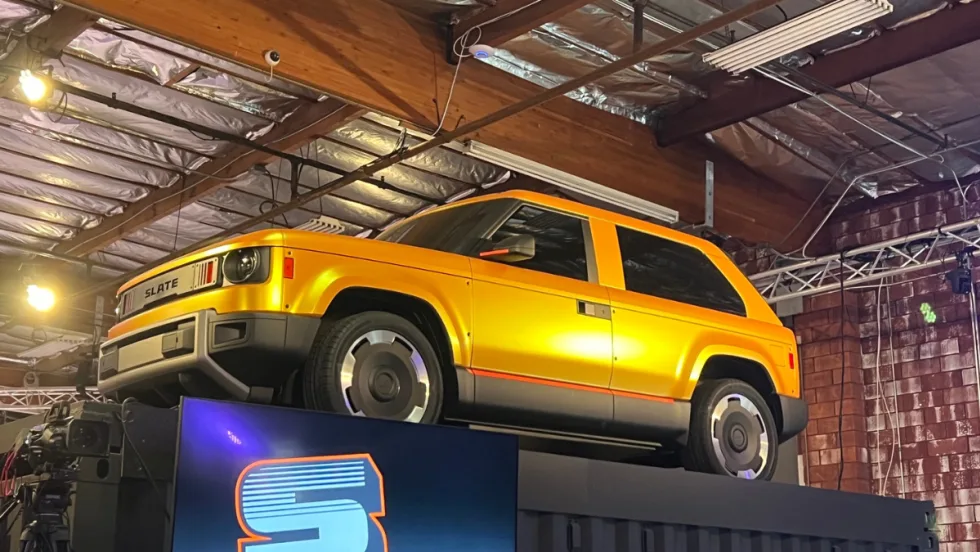
Slate Electric SUV, Pickup Switchable Model Aims For Light-Duty Fleets
Everything about this EV is counterintuitive and understated, making it stand out from the crowd.
Read More →
Inspiration Mobility Acquires Key Electrada Assets
Inspiration Mobility Group has acquired select assets of Electrada, adding the fleet electrification provider's team, technology, and charging infrastructure development capabilities to its energy management business.
Read More →