




How to Reduce Driver Impact on Truck Fleet Maintenance Costs
Truck fleet drivers have a significant impact on a fleet’s maintenance costs. Ensure drivers are involved in truck maintenance and spell out fleet policies.


One of the top challenges for many fleet operators is ensuring drivers fully support the maintenance program.
Photo: Gettyimages.com/Eblis
When looking at truck maintenance and ways to save costs, often we start at the vehicle and move on to the shop. But what is the one missing component that has a major impact on vehicle maintenance needs? What is the one factor a truck fleet manager likely has the least control over? The driver.
“Driver behavior is important in reducing costs. When drivers are accountable and responsible with the tools provided to them, they take a more vested interest in costs and cost containment,” said Tony Hernandez, team lead – truck maintenance at Emkay.
Here are the top six ways to reduce your drivers’ impact on overall truck fleet maintenance costs.
1. Keep Your Drivers Involved
Keep fleet drivers as a critical part of the decision in maintenance management.
“Your drivers are the best source of information about vehicle maintenance, performance, quality, fuel consumption, and more. By keeping the drivers involved, they are part of the team and a huge asset in the decision-making process,” said Joseph Shinn, technical manager: medium\heavy-duty maintenance at Merchants Fleet.
Fleet companies, maintenance managers, or regional managers are not typically available to go to a repair facility with the drivers.
“We rely quite a bit on our drivers to confirm some of the repairs are done. Although we do have history, our drivers have been our eyes to determine if repairs and items are truly needed on their assets,” said Hernandez of Emkay.
Look around.
“When implementing change or seeking driver buy-in, survey employees to gain their input. This establishes a favorable mindset and helps to create a sense of ownership in the solution,” recommended Jamie Grams, national service department manager for Enterprise Fleet Management.
Next, Grams suggested establishing the need or problem in the minds of the drivers.
“Explain what challenges need to be overcome and provide a clear picture of how the problem affects them personally. Then, form a plan and ask the drivers for help in implementing the plan,” Grams said.
Don’t forget to monitor the plan’s progress and provide frequent feedback to the drivers.
“Publicly recognize or reward those drivers who followed the plan and created savings. Privately coach those drivers who can do better,” Grams added.
2. Train Drivers Effectively
Beyond driver involvement, driver training is another essential key in reducing driver-related maintenance costs.
“Incorporating maintenance metrics into a driver’s training should be a best practice to follow for fleets looking to improve maintenance costs,” said David Pardue, vice president of connected vehicle and contract services for Mack Trucks.
To improve maintenance costs, Volvo Trucks agrees that including maintenance guidelines in driver training materials could help drivers understand how their performance will impact maintenance costs.
“They could even create a maintenance score for drivers, similar to fuel economy scores commonly used today,” said Evandro Silva, senior manager Connected Innovation for Volvo Trucks North America.
Training can often be a hard sell from organizations to their drivers. Consider incentivizing drivers for training time.
“Training takes time and can be arduous, so incentivizing it is a great way to garner initial interest. Creating a positive culture around maintenance and educating drivers is an essential component of a maintenance management program,” said Mark Malanca, manager of Truck Department, Mechanical and Maintenance for LeasePlan USA.

Training can often be a hard sell from organizations to their drivers. Consider incentivizing drivers for training time.
Photo: Gettyimages.com/Smederevac
3. Consider Gamification
Incentivize drivers to continue to focus on improvement.
“Fleet managers should consider gamification by having different divisions or locations competing with one another using measurable KPIs, such as preventive maintenance compliance or national account vendor utilization. Similarly, fleet managers may also consider including these measurements in employee performance management reviews,” said Shinn of Merchants Fleet.
Accountability is also an essential factor when working with your truck fleet drivers.
“Accountability means holding a driver accountable when they do something wrong, but also rewarding them when they are doing things right. Reward drivers who follow the guidelines the company sets. It could be a bonus structure or a different vehicle tier structure,” said Hernandez of Emkay.
At the same time, hold drivers accountable for actions that directly lead to vehicle damage.
“Some fleets see assets and maintenance as an unneeded expense, but others see it as a necessary tool to be successful in their job. The mindset and behavior that we instill in our drivers could determine the success you have in your fleet program,” Hernandez said.
Consider publishing organizational compliance performance.
“Through scorecards, provide visibility to individual/departmental compliance data and the derived savings. This can instill healthy competition,” said David Bieber, director, sales & strategic markets for Mike Albert.
4. Provide the Right Tools
Give truck fleet drivers the tools they need to save you money.
“Fleet managers should provide targeted vendor repair network guidance to drivers based on factors like repair costs, proximity to a garaging facility, and average repair turnaround time,” said Shinn of Merchants Fleet.
And, don’t forget the importance of clear and frequent communication.
“Provide drivers with tools, resources, and a program used to keep that driver on the road and making money. E-tools are used to alert drivers to what, where, and when services are needed. Also, ensure your program includes ancillary services that provide roadside assistance, downtime management, and replacement vehicle designed to support drivers and ensure they are behind the wheel and not on the sidelines waiting for services. Consider mobile services that provide off-hour support of preventive and scheduled repairs,” said John Wuich, CAFM, vice president, Strategic Consulting Services (SCS) for Donlen.
5. Clearly State Your Policies
Be consistent and create policies that spell out the maintenance-related requirements that drivers are responsible for.
“Fleet managers will have more success lowering maintenance costs by ensuring active cost reduction is a critical element of the organization’s culture. Empower drivers with the necessary tools to make meaningful and measurable contributions to achieve that goal,” said Shinn of Merchants Fleet.
One of the top challenges for many fleet operators is ensuring drivers fully support the maintenance program.
“The best advice I can offer is to establish a comprehensive driver policy that communicates your organization’s expectations of your drivers. This policy should provide ample guidance and support to prioritize compliance with your maintenance parameters. Suppose the process is too complex or becomes an excessive inconvenience for drivers. In that case, compliance will wane, and operating costs and downtime will increase,” said Joe Smith, maintenance account executive for ARI.
6. Have Executive Sponsorship
Additionally, make sure everyone is on board, from your drivers to upper executive leadership. Complete support is necessary for success.
“Leaders must set expectations that compliance to the program is a key part of employee performance,” said Bieber of Mike Albert.
Originally posted on Work Truck Online
More Maintenance

Fleet Manager’s Ultimate Playbook: Navigating the New Standard in OEM Connectivity
Rising operating costs, driver safety concerns, and unplanned downtime are putting unprecedented pressure on modern fleets. Discover how fleet managers use embedded OEM connectivity and real-time vehicle data to cut TCO, prevent downtime, and protect drivers without aftermarket telematics hardware.
Read More →
How Can Fleet Managers Tell Which Repairs Require Closer Review?
Fleetio’s Brianna Perry demonstrates how Service Advisor evaluates maintenance requests, identifies pricing anomalies, and provides the context fleet managers need to focus their attention on potential problems.
Read More →
Why Roadside Assistance Belongs in a Fleet Risk Strategy
Roadside assistance is more than a tow. See how the right partner can protect drivers, uncover fleet trends, and strengthen your risk strategy.
Read More →
Hidden in Plain Sight: Fleet Compliance Risks
Fleet compliance isn't just about having policies — it's about consistently enforcing them. This practical guide reveals six hidden compliance risks common in public sector and shared fleet operations and outlines proven strategies to improve visibility, accountability, and audit readiness
Read More →
How Maintenance Costs Compare Across 27 Fleet Vehicles
Vincentric’s three-year, 60,000-mile projections reveal wide differences for both scheduled and unscheduled maintenance among selected vehicle categories. Projected maintenance visits also play a factor.
Read More →
The EV Breakdown Nobody's Talking About: Why Most Electric Vehicle Roadside Calls Aren't Mechanical Failures
Here's why EV breakdowns are widely misunderstood.
Read More →
How Stellantis Plans to Get Ahead of Fleet Downtime
Keeping fleet vehicles on the road has become as important as buying them. Darren Bradshaw of Mopar North America explains how connected vehicle data, AI, and proactive service strategies are helping Stellantis reduce downtime and move closer to predictive maintenance.
Read More →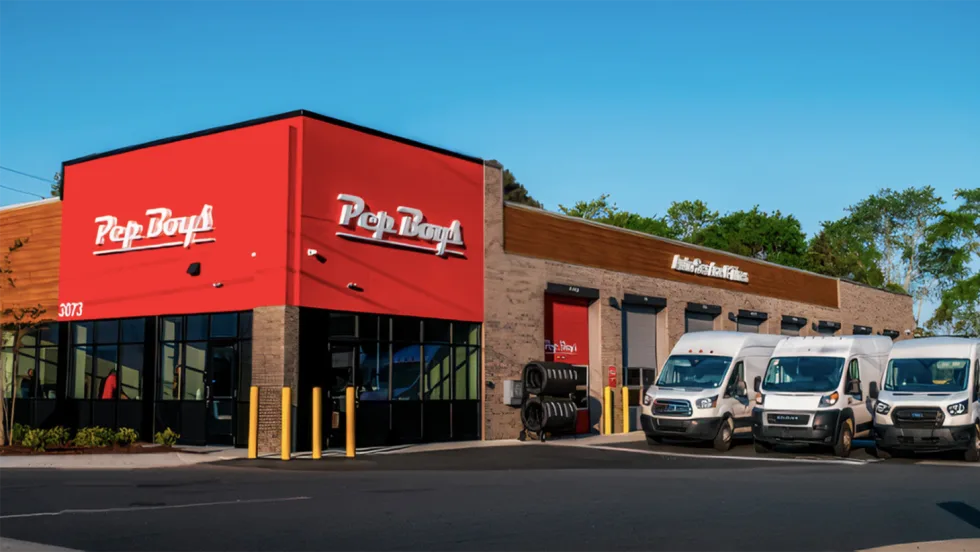
Merchants Fleet Expands Maintenance Network with Pep Boys
Merchants Fleet has expanded its relationship with Pep Boys, increasing the service provider's role within its national maintenance network. The move is intended to enhance maintenance coordination and support commercial fleets through Pep Boys' nationwide footprint.
Read More →
The Two Biggest Summer Downtime Threats for Fleets
A conversation with a maintenance expert reveals the two most common summer maintenance pains and how to prevent them.
Read More →
From Marine Corps Motor Pool to Managing 460 Fleet Vehicles
Cesar Ayala of O’Connell Landscape Maintenance shares how he transitioned from the Marine Corps to managing a 460-vehicle fleet—and the real-world challenges of maintenance, compliance, and driver management in California.
Read More →