




How to Get Drivers to Take Better Care of Fleet Vehicles
Driver neglect can cause fleet assets to run less efficiently and give the company a public relations black eye. There are steps — using both the carrot and the stick — fleet managers can take to improve the way drivers take care of their vehicles.

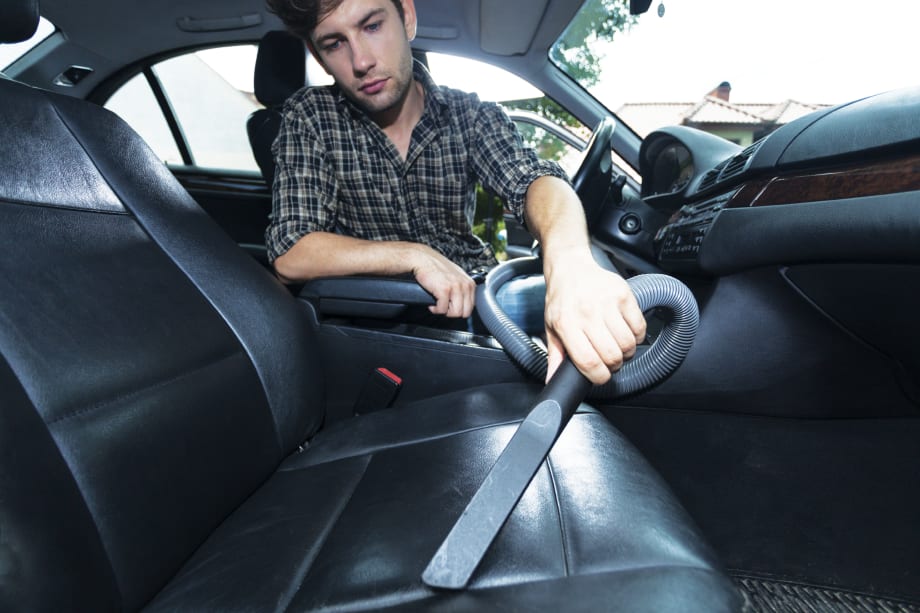
Photo courtesy of iStockphoto.com.
- Driver neglect can negatively affect fleet vehicle efficiency and company reputation.
- Fleet managers can adopt strategies to encourage better vehicle care by drivers.
- Using incentives and penalties can effectively motivate drivers to maintain vehicles properly.
*Summarized by AI
Editor's Note: this post was originally posted in 2016 and has been updated on September 16, 2026 for continued relevance.
For many companies fleet vehicles are the literal engine that keeps things going. Fleet managers rely on company drivers to take care of their vehicles so they can get to job sites or customer appointments, do the job efficiently when they get there, and look good doing it.
There is no guarantee, however, that employee drivers will operate their vehicles properly both by maintaining the vehicle under the hood and in the cabin in a way that benefits the company’s image and the bottom line.
This is where the fleet manager comes into the equation. A properly maintained fleet begins and ends on the fleet manager’s desk, and requires a combination of the stick (policies with consequences) and the carrot (rewards stemming from good behavior) to help drivers take the best care they can of their company-issued vehicle.
Starting with Policy
Setting expectations from the beginning with a company policy that clearly defines the driver’s responsibilities is key.
“The policy must set expectations for proper car care both inside and out including cleanliness and the driver’s responsibility for maintenance needs,” said Jenn Zastrow, Fleet Assist manager for Merchants Fleet Management.
What is emphasized and what is expected may differ depending on the vehicle type and its role in the fleet and the company’s operations.
“A sales vehicle may focus on maintenance and aesthetic appearance, while a service vehicle may be more focused on maintenance and mechanical condition,” said Tom Sopel, maintenance repair manager for LeasePlan USA. “However, in both scenarios, reliability directly impacts productivity.”
At American Greetings, employees have to sign a detailed vehicle use agreement outlining all of the employee’s responsibilities while using a company vehicle.
“We make sure that all drivers have a current copy of the Fleet Policy — we give them a checklist periodically reminding them of some action items that they are responsible for,” said Michelle Thur, North American fleet manager/global travel manager for American Greetings.
For instance, American Greetings drivers are responsible for plates/registration renewals as necessary, having oil changes and other preventive maintenance performed regularly, and having a valid insurance card in the vehicle at all times.
Responsibilities need to be a two-way street. As part of the policy, there should be a requirement for regular inspections of employee vehicles.
“The policy should require monthly or quarterly ‘vehicle check-ins’ where drivers have to submit images of their vehicles to their direct managers or fleet manager help ensure interior maintenance of the vehicle,” said Zastrow.
Chelsea Mathis, Donlen’s director of FAS, added that employees should also be incentivized to complete timely, regular inspections.
“Incentivizing drivers to maintain their vehicles is one of the most effective and impactful methods of guaranteeing overall vehicle care,” she said. “This can be done by offering drivers the opportunity to purchase the vehicle at the end of its term for some level of discount pricing, or even through on-going vehicle quality checks. Drivers that have a vested interest in the quality of the car are more likely to make the effort to maintain a pristine vehicle.”
One fleet manager who asked to remain anonymous disagreed with the idea of incentivizing drivers.
"We do not motivate drivers with any incentives as the philosophy is that this should be part of their job responsibility," said the anonymous fleet manager. "We do hold drivers financially responsible for negligent care. This applies to executive drivers as well.
Educating Employees
The policy and company requirements of drivers are only the beginning. To be successful, fleet managers need to make sure employee drivers understand why it is important to have a well-maintained vehicle.
“Many employees do not think about the fact that increased repair costs resulting from vehicle neglect directly affects not only their earning potential, but also the company’s bottom line,” observed Sopel of LeasePlan. “This, in turn, impacts longevity and employment security.”
Driver training is also crucial. “New drivers should be given training when they join the company and all drivers should have ongoing training to ensure that they understand company fleet policies, procedures and driver expectations,” said Romy Bria, director, fleet management for ARI.
Going hand in glove with this education, should be tools to help the employee care for the vehicle.
“Fleets should subscribe to a preventive maintenance (PM) program, providing drivers with reminders for PM service, based on repair history, time, and/or mileage,” said Bill Jones, director of Product Management for Element Fleet Management. “Fleet managers should communicate the importance — and company policy — of regular maintenance, including checking tire pressures.”
Some FMCs have turned to assistive technology to help drivers take care of their vehicles.
“EMKAY offers a driver app that lists vehicle-specific preventive items that need to be addressed, the location of national vendors in the area, and a Q&A section that allows for communication between the shop and driver,” said Mark Donahue Jr., manager of Fleet Analytics and Corporate Communications for EMKAY. Consequences for not taking care of vehicles should be severe, including shutting off the driver’s fuel card for non-compliance or past due PMs or chargebacks for poor vehicle condition discovered during inspections, said Jones of Element Fleet Management.
Communication is a key factor in making sure drivers understand their responsibilities.
“We educate drivers with newsletters and training in hopes that a well-trained driver will value their corporate assets and keep them in great condition,” said Thur of American Greetings.
Bria also recommended creating a driver website where good drivers can be recognized, driver milestones celebrated, the fleet policy communicated, and tips and information can be shared.
Providing the Carrot
Along with consequences for neglecting vehicle care, fleets should reward drivers who take exemplary care of their vehicles.
“Fleets could incentivize drivers to return vehicles in optimal condition in order to qualify for a company paid ‘upgrade option’ on their next vehicle (heated steering wheel, remote start, etc.),” said Donahue of EMKAY.
One of the most effective incentives could be giving drivers the opportunity to buy their work vehicle at the end of the lease.
“Drivers, knowing they have the opportunity to own the vehicle down the road — oftentimes at a lesser cost than if they were to purchase a vehicle at a dealer — can motivate them to care for it as if it were their own,” said Zastrow of Merchants Fleet Management.
With the prevalence of telematics and other fleet technology it is relatively easy to measure, objectively, how well employees are taking care of their company-issued vehicles.
“With a managed maintenance program, fleets can compare vehicle records to verify mileage and services expected versus services performed. This could easily become a performance metric during the employee’s review,” said Sopel of LeasePlan. “Additionally, fleets can create incentives for those who do an excellent job keeping unexpected repair costs at a minimum, or those who hold a strong rating or score on their visual inspection checklists.”
Creating a Two-Way Street
There are a number of well-honed tools that fleet managers can use to make sure a fleet asset is well-taken care of.
Jonathan Kamanns, supplier relationship management leader, HR Operational Services, for Ingersoll Rand, also sees a distinct role the company and the fleet manager must play.
“Getting most employees to take pride in the care and operation of their work vehicles fundamentally comes down to answering one question from the driver’s perspective: Does the company care about me, my safety, and my well-being? If the driver answers ‘no,’ then the motivation is non-existent to expend any effort whatsoever in the care or operation of their company vehicle. However, if the driver answers ‘yes,’ then there is a connection between the company taking care of its employees and the employees taking care of the company and its assets,” he said.
This building of a two-way relationship requires the fleet manager to get out in the field and understand the manager’s customers — the drivers.
“You have to know what’s in it for them,” Kamanns said. “Additionally, if you build a work vehicle with a level of recruitment in mind, the same features for recruitment will be appreciated by current employees. Safety is a significant driver of engagement in the organization and attention and investment in the employee’s safety is a great way to show employees that they are valued. Finally, you can’t positively impact an employee behind the wheel of a company tool (vehicle) without clearly understanding how the tool needs to be used in the field. Get out to the business, on the ground, and face-to-face in order to best understand the unique challenges of the drivers.”
More Operations

Fleet Personal-Use Charges Edge Higher in 2026
Nearly eight in 10 surveyed fleets allow personal use of company vehicles, while just over half of respondents report charging employees for the privilege.
Read More →
The Future of Fleet + What’s Changing Right Now | AF News Recap
Could developments overseas offer a preview of what’s coming for U.S. fleets? This week, we’re looking at the future of AI, autonomy, and electrification, plus Ford Pro’s new certified pre-owned program, smarter vehicle offboarding, and a new way for fleets to manage toll expenses.
Read More →
How to Handle Vehicle Offboarding
What do fleet managers need to do when a driver leaves?
Read More →
Fleet Manager’s Ultimate Playbook: Navigating the New Standard in OEM Connectivity
Rising operating costs, driver safety concerns, and unplanned downtime are putting unprecedented pressure on modern fleets. Discover how fleet managers use embedded OEM connectivity and real-time vehicle data to cut TCO, prevent downtime, and protect drivers without aftermarket telematics hardware.
Read More →
U.S. Bank Adds Verra Mobility Toll Management to Voyager Fleet Platform
The integration allows U.S. Bank Voyager fleet customers to manage toll payments and violations alongside fuel, EV charging and maintenance expenses.
Read More →
ADAS Prevents Crashes. But Repairs Cost More | AF News Recap
ADAS-equipped vehicles may crash less often, but they can cost more when they do. This week, we’re breaking down what that tradeoff means for fleets, plus Subaru’s first Forester Wilderness Hybrid, Nissan’s new e-POWER Rogue, and why Calstart has become Catalyst Mobility.
Read More →
Moventum Fleet Management Names Mark Iorillo Head of Sales
Iorillo brings nearly 20 years of fleet management and sales experience to the role, including previous positions at Element Fleet Management, CEI, Donlen and Ryder.
Read More →
Fleet Has a Talent Pipeline Problem. What Comes Next? | AF News Recap
Where will fleet’s next generation of leaders come from? This week, we’re looking at the industry’s talent pipeline, what certification can add to a fleet career, how to build an award-worthy track record, and the return of Automotive Fleet’s Personal Use Survey.
Read More →
Smith System Launches Driver Risk Management Program
Fleets have more driver data than ever, but identifying risky behavior doesn't necessarily correct it. Smith System's new Driver Risk Management program combines monitoring, training, and follow-up coaching to help fleets connect risk signals with driver intervention.
Read More →
Automotive Fleet Opens 2026 Personal Use Survey for Commercial Fleet Managers
Less than two weeks left! Commercial and corporate fleet managers are invited to share how their organizations handle company vehicle personal-use policies, charges, and driver eligibility.
Read More →